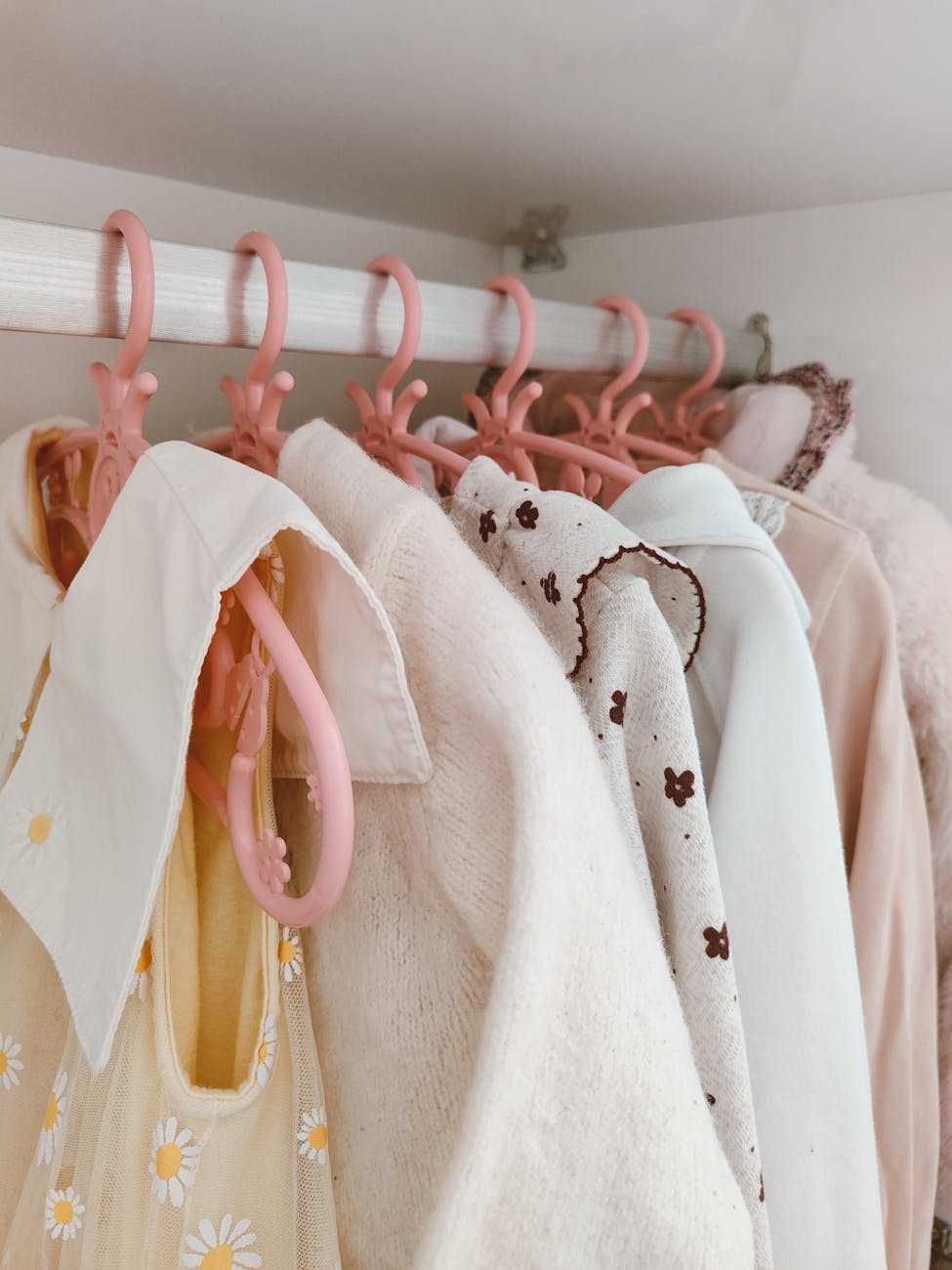
Closet Organizers Your Ultimate Guide to Smart Storage
Master Your Home’s Clutter: The Definitive Guide to Closet Organization Solutions
Estimated Reading Time: 23 minutes
Key Takeaways
- Transform your home: Learn how smart closet organization maximizes space and reduces stress in every room, turning disorder into harmony.
- Diverse solutions for every need: Explore a wide range of organizers, from efficient wire racks and versatile drawers to luxurious walk-in systems and specialized solutions for purses, babies, and coats.
- Budget-friendly options: Discover affordable ready-made systems from retailers like Menards and clever DIY hacks to achieve organized storage without breaking the bank.
- Step-by-step planning: Master the process of decluttering, assessing needs, measuring, and designing your ideal closet system for lasting order and functionality.
- Maintain lasting order: Implement effective habits like the “one in, one out” rule and regular purges to keep your newly organized spaces clutter-free and efficient.
Table of Contents
- Master Your Home’s Clutter: The Definitive Guide to Closet Organization Solutions
- Why Closet Organization is More Than Just Tidiness: The Benefits of a Well-Ordered Space
- Decoding Different Closet Organizer Types: Solutions for Every Space and Style
- Closet Organizers with Drawers: The Foundation of Tidy Storage
- Closet Organizer Wire Racks: Versatility and Visibility
- Walk-In Closet Organizers: Designing Your Dream Wardrobe
- Specialized Solutions for Specific Items
- Corner Closet Organizer: Utilizing Awkward Spaces
- Tailored Solutions for Family Needs
- Beyond the Bedroom: Bathroom Closet Organizer with Drawers
- Budget-Friendly Options: The Menards Closet Organizer and Smart DIY Ideas
- Planning Your Perfect Closet Organization System: A Step-by-Step Approach
- Installation Tips and Tricks for Your New Closet Organization System
- Maintaining Your Organized Closet: Keeping Clutter at Bay
- Frequently Asked Questions (FAQs) About Closet Organizers
- Q1: What is the best type of closet organizer for a small closet?
- Q2: How can I organize my purses and handbags effectively?
- Q3: Are wire racks durable, and do they look good?
- Q4: Can I install a walk-in closet organizer myself?
- Q5: What’s the best way to organize a baby’s closet to account for rapid growth?
- Q6: How do I keep my coat closet from becoming a mess?
- Q7: What are some good ideas for a bathroom closet organizer with drawers?
- Conclusion: Embrace a Life of Organized, Beautiful Storage
Why Closet Organization is More Than Just Tidiness: The Benefits of a Well-Ordered Space
A well-organized closet is far more than just an aesthetic luxury; it’s a fundamental component of a functional and peaceful home. The impact of effective closet organization resonates through various aspects of your daily life, contributing to both your productivity and well-being.
Save Time and Reduce Stress
How much time do you spend each morning looking for that specific shirt, pair of shoes, or accessory? In a cluttered closet, these minutes add up quickly, contributing to morning rush stress. When everything has a designated place, finding what you need becomes instantaneous. This efficiency translates to smoother routines, less frustration, and a calmer start to your day. A thoughtfully arranged closet organizer with drawers means no more searching for lost socks, and clear closet organizer wire racks ensure your essentials are always in sight.
Maximize Storage Capacity
It’s a common misconception that you need more space. Often, you just need better organization. Strategic use of vertical space, specialized compartments, and efficient layouts can dramatically increase your closet’s storage capacity. A well-designed walk-in closet organizer system can virtually double your usable space, accommodating more items without feeling crowded. Even a small corner closet organizer can unlock previously unusable areas, making your existing footprint work harder for you.
Protect Your Belongings and Extend Their Lifespan
Clothes, handbags, and accessories can get damaged when crammed together, wrinkled, or left unprotected. Proper storage, such as using a dedicated purse organizer for closet or soft drawers for delicate items, prevents crushing, creasing, and wear and tear. This not only preserves the quality of your cherished possessions but also extends their lifespan, saving you money in the long run.
Enhance Your Home’s Aesthetics and Value
A beautifully organized closet, whether it’s a meticulously arranged bedroom wardrobe or a tidy coat closet organization system, contributes to the overall aesthetic appeal of your home. It creates a sense of calm and order, which can be particularly impactful in open-concept living spaces or when showing your home to potential buyers. An organized home often signals thoughtful maintenance and care, potentially increasing its perceived value.
Foster a Sense of Calm and Mental Clarity
Clutter is often linked to stress and anxiety. The visual noise of a messy closet can be mentally draining. Conversely, a clean and orderly space promotes a sense of peace and mental clarity. Knowing where everything is and seeing your belongings neatly arranged can significantly reduce cognitive load, allowing you to focus on more important things. This applies to every space, from a streamlined baby closet organizer for busy parents to an efficient bathroom closet organizer with drawers for daily self-care routines.
Decoding Different Closet Organizer Types: Solutions for Every Space and Style
The world of closet organization is vast and varied, offering a solution for almost every need, budget, and aesthetic preference. Understanding the different types of organizers is the first step towards creating your perfect system.
Closet Organizers with Drawers: The Foundation of Tidy Storage
Closet organizer with drawers systems are the cornerstone of a functional wardrobe. They offer enclosed storage, protecting items from dust and providing a clean, streamlined look.
Benefits of Drawer Organizers
- Concealed Storage: Keeps clutter out of sight, promoting a neat appearance.
- Protection: Shields delicate clothing, intimates, and accessories from dust, snags, and light exposure.
- Categorization: Allows for easy separation of different types of clothing (e.g., socks, underwear, t-shirts, loungewear).
- Space Utilization: Often integrated into larger systems, making efficient use of vertical and horizontal space.
- Versatility: Available in various materials (wood, laminate, fabric) and sizes, from deep dresser-style drawers to shallow accessory drawers.
Ideal Uses
- Underwear, socks, and hosiery
- T-shirts and folded casual wear
- Sweaters (to prevent stretching from hanging)
- Accessories like belts, scarves, and jewelry
- Small linens or towels (especially in a bathroom closet organizer with drawers)
- Baby clothes and diapers in a baby closet organizer
Closet Organizer Wire Racks: Versatility and Visibility
Closet organizer wire racks are a popular choice due to their versatility, affordability, and excellent visibility. They are typically made from coated steel wire, offering durability and a clean, minimalist aesthetic.
Advantages of Wire Racks
- Visibility: Open design allows you to see all your items at a glance, making it easy to locate specific pieces.
- Airflow: Excellent ventilation, which is beneficial for shoes, towels, or items that need to breathe.
- Adjustability: Many systems are modular and can be easily reconfigured as your needs change.
- Durability: Made to withstand significant weight and daily use.
- Cost-Effective: Often a more budget-friendly option compared to custom built-ins.
- Easy Installation: Many systems are designed for DIY installation.
Common Applications
- Shelving for folded clothes, shoes, and bags.
- Hanging rods for shirts, pants, and dresses.
- Baskets or drawers that can be integrated into the wire framework.
- Pantries and linen closets due to their airflow and visibility.
Walk-In Closet Organizers: Designing Your Dream Wardrobe
A walk-in closet organizer system is the epitome of luxurious and highly functional storage. These systems are designed to maximize every square inch of a dedicated walk-in space, offering a truly bespoke storage experience.
Key Features and Benefits
- Customization: Can be fully customized to your specific wardrobe and lifestyle, incorporating a mix of hanging rods (double and single), shelves, drawers, shoe racks, and specialized accessory compartments.
- Ample Space: Provides significant storage capacity, allowing for the proper display and preservation of extensive collections.
- Dedicated Zones: Allows for the creation of distinct zones for different categories: clothing, shoes, accessories, seasonal wear, etc.
- Integrated Lighting & Seating: Many high-end designs include integrated lighting, mirrors, and even seating areas for dressing.
- Investment Value: A well-designed walk-in closet can add significant value and appeal to a home.
Design Considerations
- Layout: U-shaped, L-shaped, or straight wall designs, often incorporating an island for additional storage and counter space.
- Materials: Ranges from laminate and melamine for durability and cost-effectiveness, to solid wood for a luxurious feel.
- Components: Decide on the ratio of long-hang, medium-hang, double-hang, shelving, and drawers based on your wardrobe.
- Accessories: Consider pull-out hampers, valet rods, tie racks, belt racks, and jewelry trays.
Specialized Solutions for Specific Items
Certain items in your wardrobe benefit immensely from specialized storage solutions that protect them and make them easily accessible.
Purse Organizers for Closet & Handbag Organization Closet Systems
For anyone with a significant handbag collection, a dedicated purse organizer for closet or a full handbag organization closet system is indispensable.
- Individual Slots: Keep bags upright and prevent them from being crushed or losing their shape.
- Divided Shelves: Adjustable shelves with dividers allow for flexible storage of various bag sizes.
- Hooks and Hangers: Specific handbag hangers can utilize vertical hanging space, especially for clutches or bags with sturdy straps.
- Clear Bins/Dust Bags: Protect delicate materials and keep bags dust-free while still allowing visibility.
Organizers for Purses in the Closets: Maximizing Accessibility
Beyond general handbag systems, specific organizers for purses in the closets focus on practicality and ease of access.
- Over-the-Door Organizers: Excellent for smaller clutches or frequently used everyday bags.
- Shelf Dividers: Prevent handbags from toppling over on shelves.
- Cubbies: Individual cubby spaces ensure each bag has its own designated spot.
- Drawer Inserts: For smaller clutches or wallets, drawer inserts can keep them organized within a closet organizer with drawers.
Corner Closet Organizer: Utilizing Awkward Spaces
Corners are notoriously difficult to organize, often becoming dead space or a cluttered catch-all. A well-designed corner closet organizer transforms these challenging areas into highly functional storage.
Effective Corner Solutions
- Angled Shelves: Maximizes storage along the corner walls, offering deep shelving.
- Rotating Shelves (Lazy Susans): Ideal for shoes, accessories, or even small clothing items, allowing easy access to everything.
- Curved Hanging Rods: Provides continuous hanging space around the corner, preventing gaps.
- Modular Units: Many systems include specific corner units that seamlessly connect with straight sections.
Benefits
- Maximizes Usable Space: Turns often-wasted corner space into valuable storage.
- Improves Flow: Reduces awkward dead zones, making the closet feel more integrated.
- Custom Fit: Can be tailored to the specific dimensions of your corner, whether it’s a small reach-in or a large walk-in.
Tailored Solutions for Family Needs
Organization isn’t just for adults; families, in particular, benefit from specialized systems that cater to unique age groups and household items.
Baby Closet Organizer: Simplifying Little One’s Essentials
A baby closet organizer is a lifesaver for new parents, helping to manage the surprisingly vast array of tiny clothes, diapers, blankets, and accessories.
- Adjustable Rods: Double or triple hanging rods are perfect for short baby clothes, maximizing vertical space.
- Small Drawers/Baskets: Ideal for diapers, wipes, burp cloths, and tiny socks that tend to get lost.
- Labeled Bins: Essential for sorting clothes by size (newborn, 0-3 months, 3-6 months, etc.) to keep ahead of growth spurts.
- Open Shelving: Convenient for blankets, toys, and frequently used items.
- Growth Potential: Choose systems that can adapt as your child grows, transitioning from baby clothes to toddler outfits and beyond.
Coat Closet Organization: Taming the Entryway Clutter
The coat closet is often the first point of entry into your home and can quickly become a chaotic dumping ground. Effective coat closet organization is crucial for a tidy and welcoming entryway.
- Sturdy Hooks/Rods: Ample hanging space for coats, jackets, and guest attire. Consider double rods for short jackets or children’s coats.
- Shoe Racks/Trays: Keep muddy boots and shoes contained and off the floor.
- Shelving: For hats, gloves, scarves, and pet accessories.
- Baskets/Bins: Perfect for smaller items like keys, sunglasses, dog leashes, or even umbrellas.
- Over-the-Door Organizers: Can hold smaller accessories or frequently used items.
Beyond the Bedroom: Bathroom Closet Organizer with Drawers
While often overlooked, the bathroom closet also benefits greatly from smart organization. A bathroom closet organizer with drawers can transform this space.
- Humidity Resistance: Opt for materials that can withstand moisture, such as coated wire or moisture-resistant laminates.
- Drawers for Linens: Keep towels, washcloths, and other linens neatly folded and protected.
- Dividers for Toiletries: Drawer dividers are excellent for organizing smaller items like cosmetics, dental supplies, and first-aid essentials.
- Shelving for Bulk Items: Store extra toilet paper, cleaning supplies, and larger bottles on open shelves.
Budget-Friendly Options: The Menards Closet Organizer and Smart DIY Ideas
Achieving an organized closet doesn’t always require a hefty investment. There are numerous budget-friendly solutions, including ready-made systems and clever DIY hacks, that can deliver impressive results.
The Menards Closet Organizer: Affordable & Accessible Solutions
For those looking for cost-effective and readily available options, the Menards closet organizer selection is an excellent starting point. Menards, like other home improvement stores, offers a range of modular and customizable closet systems that cater to various budgets and needs.
What to Expect from Menards Closet Organizers
- Modular Systems: Often sold as individual components (shelves, rods, drawers) that can be combined to create a custom look.
- Wire Shelving: A very popular and affordable choice, offering the benefits of wire racks (visibility, airflow, durability).
- Laminate/Melamine Systems: Provide a more finished look than wire, often with drawer and cabinet options. These are typically assembly-required kits.
- Accessories: Look for add-ons like shoe racks, baskets, and shelf dividers that are compatible with their core systems.
- Easy DIY Installation: Most Menards closet organizer products are designed for straightforward home installation, often requiring basic tools.
Tips for Shopping at Menards (or similar retailers)
- Measure Precisely: Know your closet dimensions (width, depth, height) before you go.
- Plan Your Layout: Sketch out your ideal configuration, considering what you need to store (hanging, folded, shoes, etc.).
- Compare Materials: Understand the pros and cons of wire versus laminate for your specific needs and budget.
- Look for Sales: Home improvement stores frequently run promotions on closet organization systems.
Smart DIY Closet Organization Ideas
Beyond ready-made kits, a little creativity and effort can go a long way in transforming your closet without breaking the bank.
Repurpose and Reimagine
- Old Dressers/Shelving Units: A small dresser can be placed inside a large closet for drawer storage. Old bookshelves can be repurposed as shoe racks or folded clothing shelves.
- Crates and Baskets: Wooden crates or decorative baskets can serve as stylish and functional storage for sweaters, bags, or toys.
- Tension Rods: Inexpensive tension rods can create extra hanging space for scarves, ties, or even double-hang short items in a tall closet.
- Shoe Boxes: Cover old shoe boxes with decorative paper or fabric to create uniform, stackable storage for small accessories.
Maximize Vertical Space
- Stackable Bins and Drawers: Affordable plastic or fabric bins can be stacked to utilize height, creating instant “drawers” on shelves.
- Shelf Risers: Create two layers of storage on a single shelf, perfect for stacking dishes in a linen closet or shoes.
- Over-the-Door Organizers: These are incredibly versatile for shoes, accessories, or cleaning supplies in a linen or bathroom closet organizer.
Clever Closet Hacks
- Soda Can Tabs for Hangers: Loop a soda can tab over a hanger hook to create a cascading effect, allowing you to hang another hanger beneath it, instantly doubling hanging capacity.
- PVC Pipe Shoe Storage: Cut PVC pipes into sections and stack them to create individual cubbies for shoes.
- Magazine Files for Clutches/Wallets: Upright magazine files are perfect for organizing small clutches, wallets, or even small electronic devices on a shelf.
- Command Hooks: Use these to hang jewelry, belts, or small accessories on the inside of closet doors or walls.
- DIY Drawer Dividers: Use cardboard, foam board, or thin wood to create custom dividers within existing drawers, keeping items like socks or underwear perfectly separated in a closet organizer with drawers.
Planning Your Perfect Closet Organization System: A Step-by-Step Approach
Designing an effective closet organization system is an investment in your home and peace of mind. A thoughtful planning process ensures that the chosen solutions truly meet your needs and maximize your space.
Step 1: Declutter and Purge Ruthlessly
Before you even think about buying a single organizer, you must clear out your closet. This is the most crucial step.
- Empty Everything: Take every single item out of your closet. Yes, everything!
- Sort into Categories: Create piles: Keep, Donate, Sell, Trash/Recycle.
- Be Honest: Ask yourself: Have I worn this in the last year? Does it fit? Is it damaged? Does it bring me joy? (The KonMari method is a great guide here).
- Discard/Relocate: Immediately get rid of items in the “Trash” pile. Bag up “Donate” and “Sell” items and commit to taking them away within a week. Relocate items that don’t belong in the closet (e.g., books, paperwork).
Step 2: Assess Your Needs and Inventory Your Wardrobe
Once you know what you’re keeping, analyze your current and future storage requirements.
- What Do You Store? Count your hanging items (long dresses, medium shirts, short pants), folded items, shoes, handbags, accessories (belts, scarves, jewelry).
- Identify Problem Areas: Where do things always get messy? What items are hardest to find? Is it your handbag organization closet, or the constant pile of coats in your coat closet organization?
- Consider Your Lifestyle: Do you have a lot of work clothes, casual wear, athletic gear? Do you need space for seasonal items? Is this a shared closet?
- Future Needs: Are you planning for a baby, requiring a baby closet organizer soon? Do your needs change seasonally?
Step 3: Measure Your Space Precisely
Accuracy is key to successful planning, especially for modular systems or custom designs.
- Height, Width, Depth: Measure the interior dimensions of your closet, noting any obstructions (sloping ceilings, electrical outlets, vents).
- Door Clearance: Ensure any drawers or pull-out components will clear the door frame when opened.
- Walk-In Considerations: For a walk-in closet organizer, measure all walls, door openings, and window locations.
Step 4: Draw a Layout and Visualize
Sketching out your ideal layout helps visualize how different components will fit.
- Paper & Pencil or Online Tools: Use graph paper or free online closet design tools offered by various retailers (including some for Menards closet organizer systems).
- Zone Planning: Allocate specific zones for different item categories (e.g., hanging clothes on one wall, shelves for folded items, a purse organizer for closet area).
- Prioritize Accessibility: Place frequently used items at eye level or within easy reach. Less-used items can go higher or lower.
- Consider Flow: Especially in a walk-in, ensure there’s enough space to move, dress, and access all areas comfortably.
Step 5: Choose Your Organization System and Components
Based on your needs, measurements, and budget, select the right type of organizers.
- System Type: Decide between custom built-ins, modular systems (like a closet organizer wire racks or laminate systems), or a mix of individual organizers.
- Key Components:
- Hanging Space: Determine the length and number of hanging rods (single, double, triple).
- Shelving: Adjustable shelves offer flexibility.
- Drawers: Crucial for folded items and concealed storage (closet organizer with drawers).
- Specialty Storage: Shoe racks, tie/belt racks, jewelry trays, specialized organizers for purses in the closets.
- Corner Solutions: If applicable, incorporate a corner closet organizer.
- Materials: Consider durability, aesthetics, and maintenance (e.g., wood, laminate, wire).
Step 6: Set a Budget
Closet organization can range from a few dollars for DIY hacks to thousands for custom built-ins.
- Tiered Approach: Start with your highest priorities. You can always add more components later.
- Compare Prices: Research options from different retailers, including hardware stores like Menards, online specialty stores, and custom closet companies.
Installation Tips and Tricks for Your New Closet Organization System
Once you’ve planned and purchased your closet organization system, proper installation is key to its functionality and longevity. While specific instructions vary by product, these general tips will help ensure a smooth process.
Prepare Your Space
- Empty and Clean: Before anything else, ensure your closet is completely empty and thoroughly cleaned. Vacuum, wipe down shelves, and consider a fresh coat of paint for a truly refreshed look.
- Repair Damage: Fill any holes from previous installations, patch drywall, and make any necessary repairs.
- Gather Tools: Have all necessary tools on hand: tape measure, level, stud finder, drill, screwdriver set, pencil, safety glasses, and potentially a saw if cutting components.
Follow Instructions Meticulously
- Read First: Resist the urge to dive straight in. Read the entire instruction manual for your chosen system (especially for complex walk-in closet organizer kits or systems from Menards closet organizer).
- Identify All Parts: Layout and identify all components, screws, and hardware. Double-check that all pieces are present according to the packing list.
Start with the Foundation
- Locate Studs: For wall-mounted systems (common for closet organizer wire racks and many modular systems), use a stud finder to locate and mark wall studs. Anchoring into studs provides the strongest support. If studs aren’t available, use appropriate heavy-duty drywall anchors.
- Level Everything: A level is your best friend. Ensure all mounting rails, brackets, and shelves are perfectly level to prevent items from sliding and to ensure a professional appearance. Even slight inaccuracies can lead to a crooked system.
- Vertical Supports First: Often, the vertical support rails or panels are installed first, providing the framework for the rest of the system.
Assemble Components Carefully
- Drawers and Cabinets: Assemble closet organizer with drawers components on a flat, protected surface. Pay close attention to drawer slide installation – often, they are side-specific.
- Adjustable Systems: If you have an adjustable system (like many wire racks or some laminate systems), install the main rails and then add the adjustable brackets and shelves. This allows for flexibility later.
- Corner Pieces: Pay special attention to corner closet organizer units, as they may have specific alignment requirements to integrate seamlessly with straight sections.
Test and Adjust
- Weight Test: Once installed, gently test the stability of shelves and rods. Don’t overload them immediately.
- Drawer Functionality: Open and close all drawers to ensure they glide smoothly and latch properly. Adjust if necessary.
- Door Clearance: Confirm that all pull-outs and drawers clear the closet door frame.
Finishing Touches
- Cover Caps: Install any decorative cover caps over exposed screws or hardware for a polished look.
- Clean Up: Wipe down all new surfaces, remove any pencil marks, and clear away debris.
- Load Gradually: Begin loading your newly organized items, taking satisfaction in your handiwork.
Maintaining Your Organized Closet: Keeping Clutter at Bay
Installation is just the first step. The true challenge and reward lie in maintaining your organized system over time. A well-designed system, combined with good habits, ensures lasting order.
The “One In, One Out” Rule
This simple principle is incredibly effective, especially for items like clothing, shoes, and handbag organization closet systems. For every new item you bring into your closet, commit to removing one existing item. This prevents accumulation and ensures your closet doesn’t revert to its cluttered state.
Regular Mini-Purges
You don’t need to do a full closet overhaul every month, but small, regular purges can prevent items from piling up.
- Seasonal Swaps: When changing out seasonal clothing, take the opportunity to evaluate what you wore (or didn’t wear) and declutter accordingly.
- Monthly Quick Scan: Spend 15-30 minutes once a month to quickly scan your closet. Are there any items that have snuck in, anything out of place, or anything that no longer serves you? This is particularly helpful for a baby closet organizer as children rapidly outgrow clothes.
Return Items to Their Designated Homes Immediately
This is perhaps the most critical habit. Once an item is used, return it to its specific spot. This means putting that shirt back in its designated section of the closet organizer with drawers, hanging that handbag back on its hook in the purse organizer for closet, or placing shoes back on their rack. This simple act prevents the “clothes chair” or “floor pile” phenomenon.
Utilize Labels for Clarity
Especially for opaque bins, deep shelves, or areas used by multiple family members (like a coat closet organization system), labels are invaluable.
- Clear Labeling: Use clear, concise labels for bins, drawers, or sections of shelves to indicate contents (e.g., “Socks,” “Summer Tops,” “Winter Scarves,” “Baby Blankets”).
- Visual Cues: For children, consider using pictures on labels for a baby closet organizer to help them put things away themselves.
Keep Surfaces Clear
Flat surfaces like the top of a closet organizer with drawers or an open shelf can quickly become dumping grounds. Resist the urge to pile things on them. These spaces should be kept clear or used only for intentionally styled decorative items.
Adapt as Needs Change
Life is dynamic, and your organization system should be too.
- Growth: A baby closet organizer will need to adapt as your child grows from infant to toddler to child, requiring different storage solutions for varying clothing sizes and toy types.
- Lifestyle Shifts: A new job, hobby, or change in personal style might necessitate reconfiguring your walk-in closet organizer to accommodate new types of clothing or accessories.
- Modular Advantage: If you chose a modular system (like many Menards closet organizer options or closet organizer wire racks), take advantage of its adjustability to tweak shelf heights or add new components.
By integrating these maintenance habits into your routine, you can ensure that your organized closet remains a source of peace and efficiency for years to come.
Frequently Asked Questions (FAQs) About Closet Organizers
Q1: What is the best type of closet organizer for a small closet?
A1: For small closets, maximizing vertical space is key. Consider a modular closet organizer wire racks system, which can be customized with multiple hanging rods (double-hang for shirts), adjustable shelves, and pull-out baskets. Over-the-door organizers and a smart corner closet organizer can also unlock hidden storage. Utilizing a closet organizer with drawers can also keep small items contained and out of sight, reducing visual clutter in a tight space.
Q2: How can I organize my purses and handbags effectively?
A2: Effective purse organizer for closet solutions include specialized shelf dividers to keep bags upright, individual cubbies or clear bins to protect them, or specific handbag hangers that utilize hanging space. Over-the-door organizers are great for clutches or smaller bags. The goal of organizers for purses in the closets is to prevent crushing and maintain shape while making them easy to see and access.
Q3: Are wire racks durable, and do they look good?
A3: Yes, closet organizer wire racks are very durable and can withstand significant weight. Their aesthetic is typically clean and minimalist. While they may not offer the polished look of custom wood built-ins, modern wire systems come in various finishes (like chrome or white coating) and can be quite sleek. They are especially popular for their functionality, airflow, and cost-effectiveness.
Q4: Can I install a walk-in closet organizer myself?
A4: Many walk-in closet organizer systems, particularly modular and pre-fabricated kits (such as those found at Menards closet organizer), are designed for DIY installation. However, custom built-ins or complex systems might require professional installation. Always assess your comfort level with tools and home improvement projects, and thoroughly read the installation instructions before committing.
Q5: What’s the best way to organize a baby’s closet to account for rapid growth?
A5: A flexible baby closet organizer is essential. Use adjustable hanging rods (double or triple) for tiny clothes, and labeled bins or drawers for items sorted by size (newborn, 0-3 months, 3-6 months, etc.). Open shelves are great for blankets and diapers. As the child grows, you can easily adjust rod heights and shelf positions.
Q6: How do I keep my coat closet from becoming a mess?
A6: For effective coat closet organization, ensure you have enough sturdy hooks or a strong hanging rod for all coats. Incorporate shoe racks or boot trays at the bottom to contain footwear and prevent dirt. Add shelves or baskets for hats, gloves, scarves, and umbrellas. The “one in, one out” rule can also help manage the number of items.
Q7: What are some good ideas for a bathroom closet organizer with drawers?
A7: A bathroom closet organizer with drawers is perfect for linens, toiletries, and cosmetics. Look for drawers made from moisture-resistant materials. Use drawer dividers to separate small items like makeup, dental floss, or first-aid supplies. Open shelving above the drawers can hold bulkier items like extra toilet paper, towels, or cleaning supplies, ensuring good air circulation.
Conclusion: Embrace a Life of Organized, Beautiful Storage
Transforming your home from a cluttered space to a sanctuary of order is not just about aesthetics; it’s about reclaiming your time, reducing stress, and fostering a sense of calm and control. With the right strategies and tools, every closet in your home can become a testament to efficient design and thoughtful living.
Throughout this comprehensive guide, we’ve explored the vast landscape of closet organization solutions, revealing how each component plays a vital role in creating a functional and beautiful home. From the foundational utility of a closet organizer with drawers to the adaptable strength of closet organizer wire racks, and the dream possibilities of a walk-in closet organizer, the options are limitless.
We’ve delved into specialized solutions that cater to specific needs, whether it’s the elegance of a purse organizer for closet or a full handbag organization closet system, the clever space-saving of a corner closet organizer, or the practical necessities of a baby closet organizer and effective coat closet organization. We even touched upon expanding organization to other areas, such as the efficient bathroom closet organizer with drawers. And for those mindful of their budget, options like the Menards closet organizer prove that smart storage doesn’t have to break the bank.
Remember, the journey to an organized home begins with a single step: decluttering. From there, careful planning, strategic selection of organizers, and consistent maintenance will pave the way for lasting order. Discover the ultimate closet organization solutions designed to maximize every inch of space in your home, and unlock the potential for organized, beautiful storage that reflects your unique style and simplifies your daily life.
By investing in smart closet organization, you’re not just buying products; you’re investing in peace of mind, greater efficiency, and a more harmonious living environment. Start your transformation today and experience the profound difference a truly organized home can make.