Elevate Your Dining Room The Ultimate Design Guide
Crafting the Perfect Culinary Canvas: Your Ultimate Guide to Dining Room Design
Estimated Reading Time: 15 minutes
Key Takeaways
- Selecting a well-proportioned dining room set, including the dining table and dining room chairs, is foundational for comfort and style.
- Utilize layered dining room lighting with dining room light fixtures and dimmers to create versatile ambiance.
- A properly sized, low-pile dining room rug defines the space, adds warmth, and improves acoustics.
- Incorporate a multi-functional dining room cabinet for essential storage and decorative display.
- Personalize your space with thoughtful dining room wall decor to reflect your unique style and create a cohesive design.
Table of Contents
- Crafting the Perfect Culinary Canvas: Your Ultimate Guide to Dining Room Design
- The Foundation: Choosing Your Perfect Dining Room Set
- Illuminating Your Space: Dining Room Lighting Essentials
- Grounding Your Design: The Role of Dining Room Rugs
- Storage and Style: The Indispensable Dining Room Cabinet
- Personalizing Your Walls: Creative Dining Room Wall Decor
- Crafting a Cohesive Dining Experience: Putting It All Together
- FAQs about Designing Your Dining Room
- Conclusion: Your Vision for a Harmonious Dining Haven
Crafting the Perfect Culinary Canvas: Your Ultimate Guide to Dining Room Design
The dining room is more than just a space for meals; it’s the heart of hospitality, a gathering point for family and friends, and a stage for celebrating life’s special moments. Whether you’re hosting a lavish dinner party, enjoying a quiet family breakfast, or engaging in spirited conversations, the ambiance of your dining area plays a crucial role. A well-designed dining room isn’t just aesthetically pleasing; it’s functional, comfortable, and reflects your personal style.
In this comprehensive guide, we’ll embark on a journey to transform your dining space. We’ll explore everything from the foundational elements like dining room sets and dining tables, to the illuminating touch of dining room light fixtures and dining room lighting, the grounding comfort of dining room rugs, the practical elegance of a dining room cabinet, the essential comfort of dining room chairs, and the personal flair of dining room wall decor. Our goal is to empower you with the knowledge and inspiration to build a dining room you’ll love—one that brings comfort and elegance to every meal, regardless of whether your style is modern, classic, or minimalist.
The Foundation: Choosing Your Perfect Dining Room Set
At the core of every inviting dining room is a well-chosen dining room set. This primary furniture grouping dictates the flow, style, and capacity of your space. Opting for a cohesive set often simplifies the design process, ensuring that your table and chairs complement each other perfectly. However, don’t shy away from mixing and matching if you have a clear vision for an eclectic look.
Selecting the Ideal Dining Table: The Centerpiece of Connection
The dining table is arguably the most critical piece of furniture in your dining room. It’s where memories are made, stories are shared, and laughter echoes. Choosing the right dining tables dining room requires careful consideration of several factors:
- Size Matters: Begin by measuring your dining room. You need at least 36-48 inches of clearance around the table from walls or other furniture to allow for comfortable seating and movement. Consider how many people you typically host. A standard guide suggests 24-30 inches of table edge per person.
- For intimate settings, a small round or square table might suffice.
- For larger families or frequent entertaining, an extendable rectangular or oval table offers versatility.
- Shape & Flow:
- Rectangular Tables: The most common choice, offering ample seating and fitting well in long, narrow rooms. They provide a sense of formality.
- Round Tables: Excellent for promoting conversation as everyone is equidistant. Ideal for smaller spaces, they lack sharp corners, making them child-friendly and easier to navigate around.
- Oval Tables: A hybrid of rectangular and round, offering the seating capacity of a rectangle with the softness and flow of a round table.
- Square Tables: Best for smaller, square rooms and intimate gatherings. Some can be pushed together to form a larger rectangular table.
- Material and Style: The material of your dining table significantly impacts its aesthetic and durability.
- Wood: Timeless, warm, and versatile. Options range from rustic oak and elegant mahogany to modern walnut or painted finishes. Wood offers durability and can be refinished over time.
- Glass: Creates a sense of openness and lightness, making small rooms feel larger. Modern and easy to clean, but can show fingerprints easily.
- Metal: Industrial, contemporary, or minimalist. Often paired with wood or glass tops for contrast. Highly durable and adds an edgy touch.
- Stone (Marble, Quartz): Luxurious and sophisticated, highly durable, and resistant to heat and scratches, but can be heavy and require specific care.
- Base Design: Don’t forget the table’s base. Pedestal bases offer maximum legroom, while trestle bases add a rustic or traditional touch. Four-legged tables are classic and stable.
- Cohesive Design: When choosing a dining room table set, ensure the design aligns with your overall home aesthetic. A rustic farmhouse table might feel out of place in a sleek, modern apartment, though strategic juxtaposition can sometimes create a unique appeal.
Pairing with Comfortable Dining Room Chairs: Beyond Just Seating
Once your table is chosen, the dining room chair selection becomes paramount. Chairs are not just functional; they contribute significantly to the comfort, style, and overall visual appeal of your dining space.
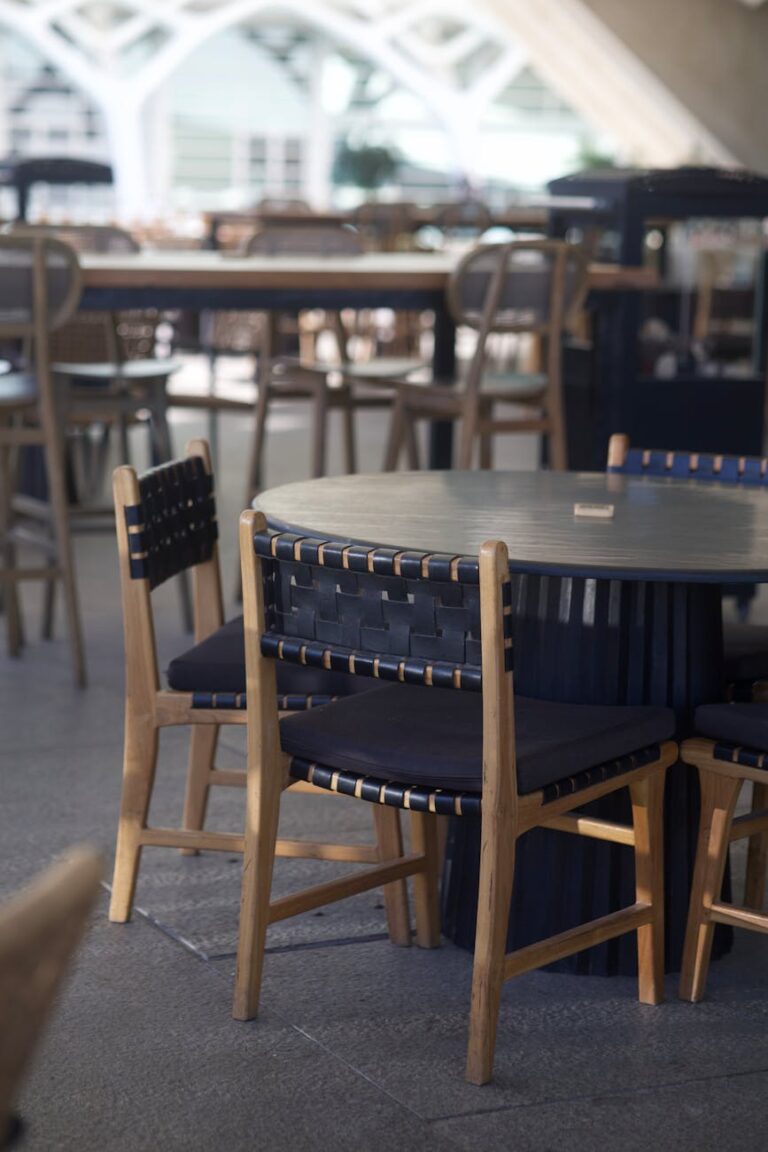
- Comfort is King: Dining experiences can last for hours, so comfort is non-negotiable. Look for chairs with adequate back support and a comfortable seat. Upholstered chairs offer more cushioning, while solid wood chairs can be softened with seat cushions.
- Scale and Proportion: Ensure your chairs are proportionate to your table. The top of the chair should not be higher than the table’s surface (excluding the backrest). There should be about 10-12 inches between the top of the seat and the underside of the table for comfortable legroom.
- Style Harmony:
- Matching Sets: For a traditional, coordinated look, choose chairs that come with your dining room table set.
- Mix and Match: For a more curated, personalized feel, consider mixing different chair styles or materials. For instance, upholstered chairs at the head of the table with simpler wood chairs along the sides. Ensure there’s a unifying element, such as color, material, or period.
- Bench Seating: A bench on one side can add a casual, family-friendly vibe and maximize seating in smaller spaces.
- Material & Durability:
- Wood: Classic and durable, often complementing wooden tables.
- Metal: Adds a modern or industrial edge.
- Upholstered: Offers comfort and an opportunity to introduce color, pattern, and texture. Consider durable, easy-to-clean fabrics for dining areas.
- Wicker/Rattan: Perfect for a relaxed, bohemian, or coastal aesthetic.
- Armchairs vs. Side Chairs: Armchairs at the ends of the table add a touch of formality and extra comfort for the hosts. Ensure they fit under the table when pushed in.
Choosing the right dining room sets and individual pieces like the dining table and dining room chair lay the groundwork for a space that is both welcoming and functional.
Illuminating Your Space: Dining Room Lighting Essentials
Lighting is the unsung hero of interior design, especially in the dining room. It sets the mood, highlights architectural features, and ensures that every meal is enjoyed in the best light. Effective dining room lighting is about creating layers—ambient, task, and accent—to provide flexibility and enhance the dining experience.
The Art of Dining Room Light Fixtures: More Than Just Illumination
Dining room light fixtures are often focal points, adding sculptural beauty even when turned off. They contribute significantly to the room’s aesthetic while providing essential illumination.
- Chandeliers: The quintessential dining room fixture. A chandelier positioned centrally above the table adds grandeur, elegance, and a dramatic statement. Choose a size that is proportionate to your table; generally, the fixture’s diameter should be half to two-thirds the width of the table. Hang it approximately 30-36 inches above the tabletop to avoid obstructing views.
- Pendant Lights: A series of smaller pendant lights can offer a modern, minimalist alternative to a single chandelier. They work beautifully above rectangular tables, providing focused light across the entire surface.
- Flush Mount/Semi-Flush Mount Lights: For rooms with lower ceilings, these fixtures provide ambient light without taking up too much vertical space. While less dramatic than a chandelier, modern designs can still be stylish.
- Wall Sconces: These add ambient light and architectural interest. Placed strategically, they can highlight artwork or create a soft, inviting glow around the perimeter of the room.
- Recessed Lighting: Excellent for general ambient light and for highlighting specific areas, but should not be the sole source of light in a dining room, as it can feel too utilitarian.
Creating Ambiance with Dining Room Lighting: Layered Brilliance
Effective dining room lighting goes beyond just a single overhead fixture. It involves layering different types of light to achieve a versatile and inviting atmosphere.
- Ambient Lighting: This is your general overhead light, provided by your chandelier, pendants, or flush mounts. Its purpose is to illuminate the entire room sufficiently.
- Task Lighting: While less critical in a dining room than in a kitchen, task lighting can come from dimmable fixtures over the table, ensuring adequate light for meals without harshness.
- Accent Lighting: This is where you add drama and warmth.
- Dimmers: Absolutely essential for any dining room. Dimmers allow you to adjust the light intensity, transforming the space from bright and functional for everyday use to warm and intimate for entertaining.
- Table Lamps/Buffet Lamps: Placing small, elegant lamps on a dining room cabinet or sideboard adds a soft, inviting glow at eye level, creating a cozy and welcoming atmosphere.
- Candlelight: The ultimate mood setter. Incorporate candles into your tablescape for a timeless, romantic glow.
When considering dining room lighting, think about both form and function. Beautiful dining room light fixtures can act as jewelry for your space, while carefully planned lighting layers ensure comfort and elegance, brightening your space while creating a warm, inviting atmosphere for every occasion.
Grounding Your Design: The Role of Dining Room Rugs
A dining room rug serves multiple purposes: it defines the space, adds warmth and texture, introduces color and pattern, and even dampens sound for better acoustics. Choosing the right rug can significantly enhance the comfort and style of your dining area.
Choosing the Right Dining Room Rug: Size, Material, and Style
When selecting a dining room rug, consider these vital factors:
- Size is Paramount: This is the most common mistake. A rug under the dining table should be large enough so that when chairs are pulled out for seating, all four legs remain on the rug. A good rule of thumb is to choose a rug that extends at least 24-30 inches beyond the edges of your dining table on all sides.
- For a 6-foot rectangular table, look for at least an 8×10-foot rug.
- For an 8-foot table, a 9×12-foot rug or larger is ideal.
- Round tables pair well with round or square rugs, following the same extension rule.
- Material Matters for Durability and Cleaning: The dining room is a high-traffic, spill-prone area, so durability and ease of cleaning are crucial.
- Wool: A classic choice, durable, stain-resistant (naturally repels liquids), and luxurious. However, it can be expensive and requires professional cleaning for deep stains.
- Synthetic Fibers (Polypropylene, Nylon, PET): Excellent for high-traffic areas and very resistant to stains and fading. Often more affordable and easier to clean with household products. Many modern synthetic rugs mimic the look and feel of natural fibers.
- Natural Fibers (Jute, Sisal, Seagrass): Offer a natural, earthy texture and are very durable. They can be harder to clean if spills occur and may not be as soft underfoot.
- Low Pile vs. High Pile: Opt for a low-pile rug in the dining room. High-pile or shag rugs can make it difficult to slide chairs, trap food crumbs, and are harder to clean.
- Pattern and Color:
- Patterned Rugs: Can hide spills and add visual interest, breaking up a monochromatic scheme. Consider a subtle pattern if your walls or other furniture are busy, or a bold pattern to make a statement in a neutral room.
- Solid Rugs: Provide a grounding effect and allow other elements like dining room wall decor or statement dining room light fixtures to shine.
- Color Palette: Choose a color that complements your existing furniture and decor. A rug can introduce a new accent color or reinforce your existing palette.
Placement and Care Tips for Your Dining Room Rugs
- Under the Table: Always center the rug under your dining table. This creates a cohesive “zone” for your dining area.
- Anchor Your Space: The rug helps to visually anchor your dining room table set, making the area feel more defined and intentional, especially in open-concept layouts.
- Maintenance:
- Regular vacuuming is essential to remove crumbs and dirt.
- Address spills immediately with a clean cloth and appropriate cleaning solution for the rug material.
- Consider a rug pad: It prevents slipping, adds cushioning, and protects your flooring underneath.
A carefully selected dining room rug not only completes the look but also adds texture and style, tying together all the elements from your dining room sets to your lighting, making the space feel finished and inviting.
Storage and Style: The Indispensable Dining Room Cabinet
A dining room cabinet is more than just a piece of furniture; it’s a multi-functional marvel that blends storage solutions with decorative appeal. Whether it’s a buffet, sideboard, or china cabinet, this piece can keep your space organized and functional, while also serving as a display area for cherished items.
Functionality Meets Aesthetics: Types of Dining Room Cabinets
- Buffets and Sideboards: These are the most common types of dining room cabinet. They are typically long, low cabinets designed to hold serving dishes, flatware, linens, and other dining essentials. Their flat tops provide an excellent surface for serving food buffet-style, displaying decorative items, or housing buffet lamps.
- Buffets: Often have legs and a slightly lighter profile.
- Sideboards: Tend to be more robust, sometimes extending to the floor, offering more enclosed storage.
- China Cabinets/Curio Cabinets: These feature glass doors, perfect for showcasing your finest china, crystal, or decorative collectibles. They often have internal lighting to highlight the contents. China cabinets tend to be taller, sometimes with a hutch top.
- Bar Cabinets: Specifically designed for beverages, glassware, and bar tools, adding a touch of sophistication for entertaining.
- Credenzas: Similar to sideboards but often deeper and originally designed for office use, they can be repurposed beautifully in a modern dining room for substantial storage.
Displaying and Organizing with Your Dining Room Cabinet
The true power of a dining room cabinet lies in its ability to combine storage with display opportunities.
- Concealed Storage: Utilize drawers and closed cabinets to neatly tuck away less attractive but essential items like extra linens, placemats, serving utensils, and seldom-used servingware. This keeps your dining room clutter-free.
- Open Display: Glass-front cabinets or open shelves (if part of the design) are perfect for showcasing:
- Decorative Plates and Bowls: Your best china or unique ceramic pieces.
- Crystal and Glassware: Reflecting light beautifully.
- Family Heirlooms: Personalizing your space.
- Art Objects: Small sculptures or vases.
- Top Surface Styling: The surface of your cabinet is prime real estate for decorating.
- Lamps: Two matching buffet lamps create a balanced, elegant look and provide additional ambient lighting.
- Artwork/Mirrors: Hang a large piece of art or a mirror above the cabinet to create a focal point and amplify light.
- Vignettes: Arrange a collection of items (vases, candles, books, small plants) in a visually pleasing cluster.
- Serving Station: During meals, the cabinet top can serve as an extension of your table for appetizers, drinks, or desserts, making entertaining more streamlined.
A sleek dining room cabinet not only keeps your space organized and functional but also acts as a crucial element in your overall design, blending seamlessly with your dining room sets and dining room wall decor.
Personalizing Your Walls: Creative Dining Room Wall Decor
Walls are blank canvases waiting to be transformed. Dining room wall decor offers an unparalleled opportunity to infuse personality, color, and texture into your space, turning an ordinary room into a reflection of your unique style. From captivating artworks to functional shelving, the possibilities are endless.
Beyond the Basics: Elevating Your Walls
- Artwork that Speaks to You:
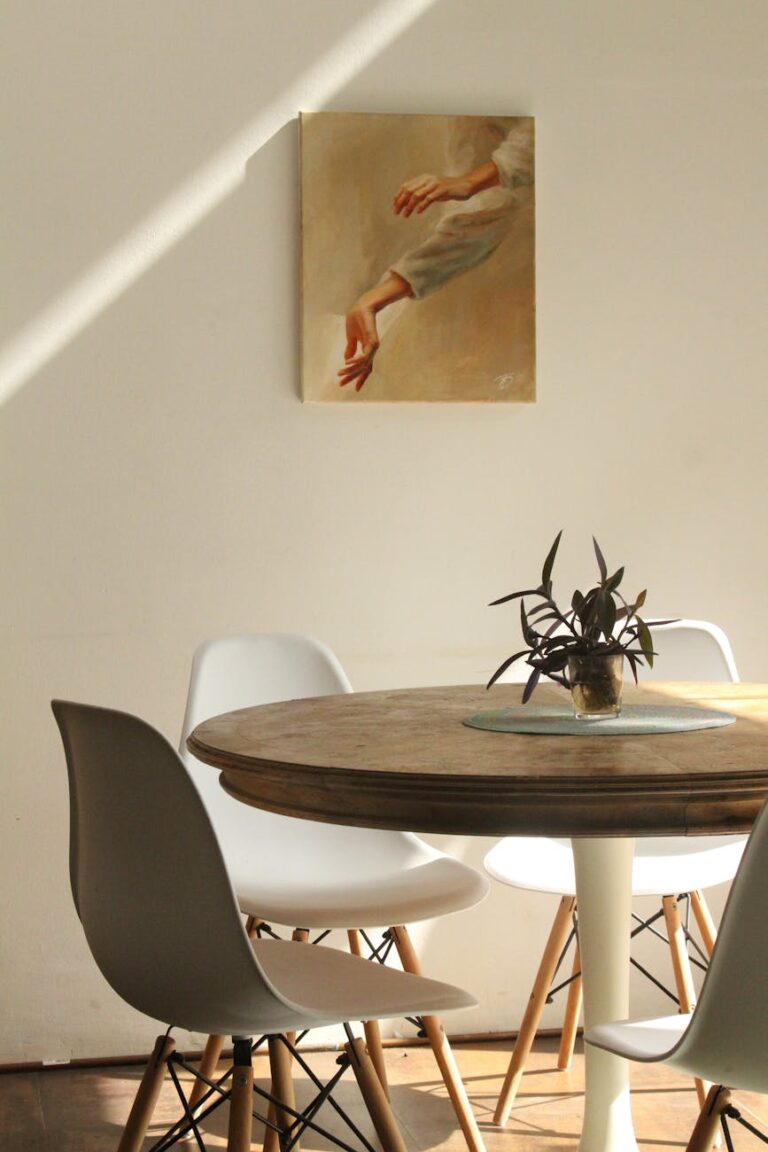
- Large-Scale Art: A single oversized piece of art can make a dramatic statement and become the room’s focal point. Choose something that resonates with you and complements your color scheme.
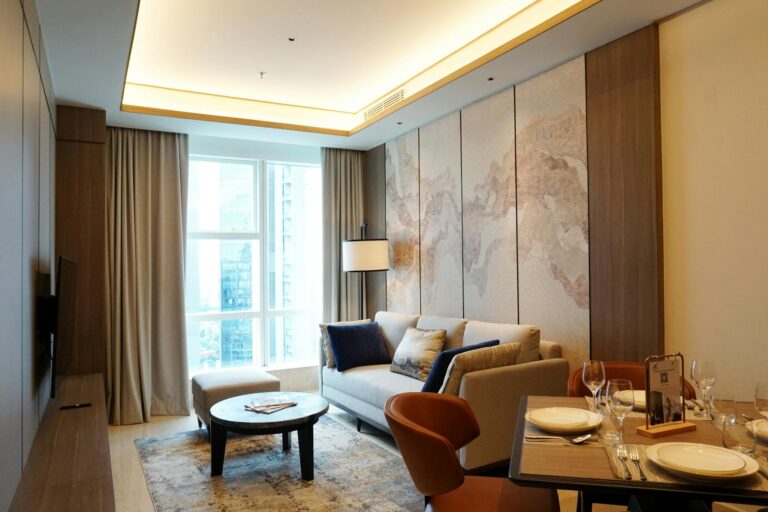
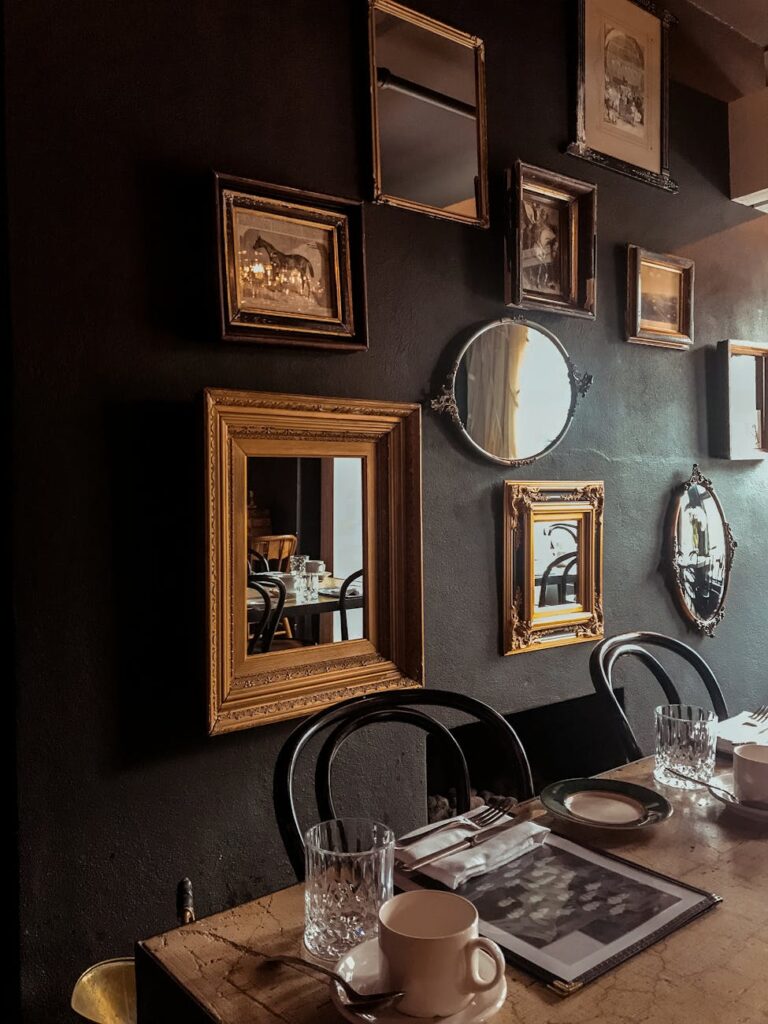
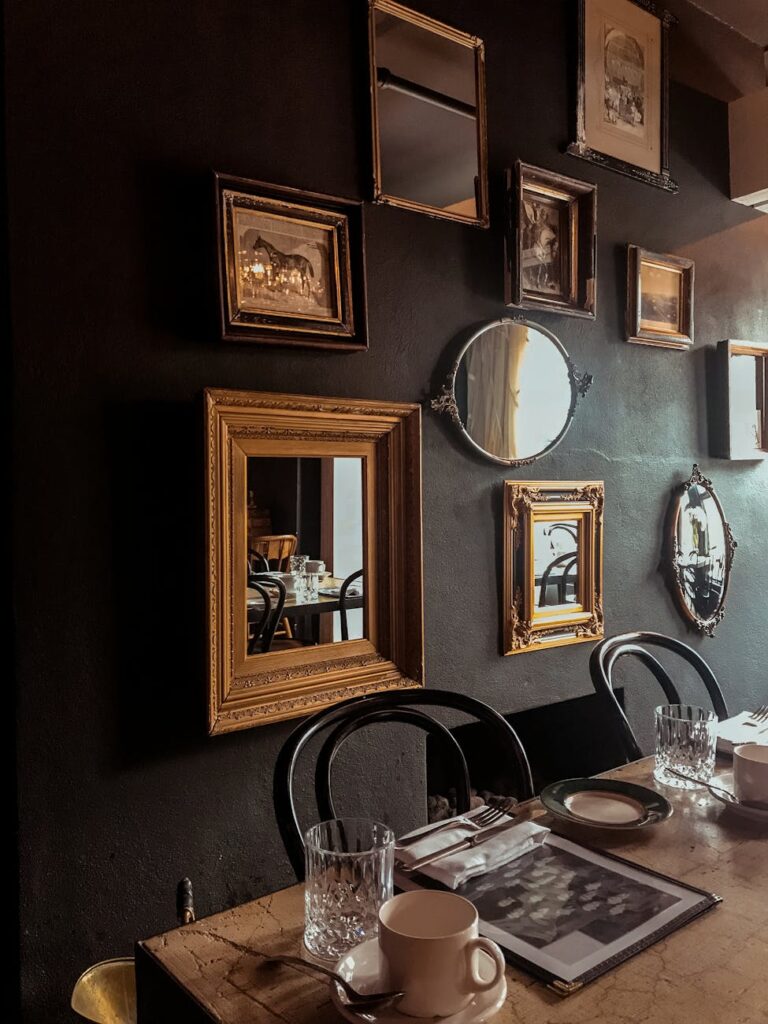
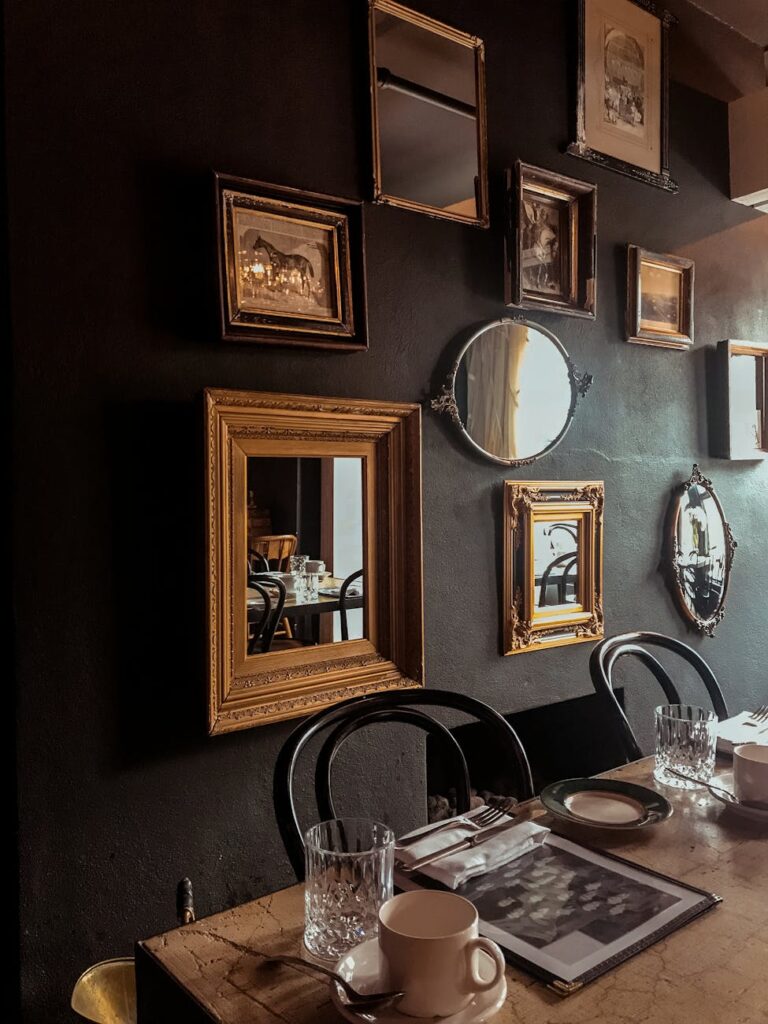
- Gallery Wall: A curated collection of framed prints, photographs, or diverse art pieces arranged cohesively can tell a story and add depth. Mix frame styles and sizes for an eclectic look, or keep them uniform for a more structured feel.
- Abstract or Landscape: Depending on your style, choose art that evokes a feeling—calm, vibrant, sophisticated.
- Mirrors for Light and Space:
- Strategic Placement: A large mirror strategically placed can reflect natural light, making the dining room feel brighter and more expansive. It can also reflect beautiful elements of your room, like a chandelier or a window view.
- Decorative Frames: Mirrors come in a myriad of frame styles, from ornate gold to sleek minimalist metal, allowing them to integrate with any decor.
- Textural Elements:
- Wall Hangings: Tapestries, macrame, or woven art pieces add warmth, texture, and a bohemian or artisanal touch.
- Architectural Details: Consider adding wainscoting, board and batten, or wallpaper to create architectural interest and depth on your walls. Wallpaper, especially a bold pattern or texture, can make a stunning statement on an accent wall.
- Functional & Decorative Shelving:
- Floating Shelves: Modern and minimalist, perfect for displaying a few select decorative items, small plants, or cookbooks.
- Built-in Shelving: If you have the space, built-ins offer substantial storage and display opportunities, similar to a dining room cabinet, but integrated into the wall structure.
Reflecting Your Style: Modern, Classic, or Minimalist Themes
Your dining room wall decor should align with your overall design aesthetic:
- Modern/Contemporary: Think clean lines, minimalist art, geometric patterns, abstract pieces, large format photography, and sleek mirrors. Focus on negative space and impactful, singular statements rather than clutter.
- Classic/Traditional: Embrace framed oil paintings, ornate mirrors, sconces, and perhaps a subtle damask or floral wallpaper. Rich colors and elegant motifs are key.
- Farmhouse/Rustic: Wood signs, distressed mirrors, botanical prints, woven baskets, and perhaps a shiplap accent wall. Focus on natural textures and a cozy, lived-in feel.
- Bohemian/Eclectic: Mix and match global textiles, travel photographs, diverse art styles, and handcrafted pieces. Don’t be afraid of vibrant colors and varied textures.
- Minimalist: Less is more. A single, impactful piece of art, perhaps a large abstract print or a simple mirror, will suffice. Focus on quality over quantity, and keep colors subdued.
Creative dining room wall decor ideas complete your space, adding that crucial layer of personalization. It’s about more than just filling empty space; it’s about making a statement and building a dining room you’ll truly love, one that is as inspiring as it is functional.
Crafting a Cohesive Dining Experience: Putting It All Together
Designing a beautiful and functional dining room isn’t just about selecting individual pieces; it’s about artfully combining them to create a harmonious and inviting space. The synergy between your dining room sets, dining room lighting, dining room rugs, dining room cabinet, and dining room wall decor determines the overall success of your design.
Design Principles for Harmony: Color, Texture, and Balance
- Color Palette: Establish a cohesive color scheme. This doesn’t mean everything has to be the same color, but rather that colors should complement each other.
- Primary Color: Often a neutral (grays, whites, beiges) for walls or large furniture like your dining room table set.
- Secondary Colors: Used in chairs, rugs, or a dining room cabinet.
- Accent Colors: Introduced through dining room wall decor, cushions, or tabletop accessories. These can be bold and vibrant.
- Texture Play: Mix different textures to add depth and interest.
- Smoothness of a glass table with the softness of an upholstered dining room chair.
- Roughness of a natural fiber dining room rug with the sheen of a metal dining room light fixture.
- The rustic grain of a wooden dining room cabinet contrasted with sleek, modern artwork.
- Balance and Proportion: Ensure all elements are in proportion to each other and the room size. A massive chandelier will overwhelm a small table, just as a tiny rug will get lost under a large dining room set. Distribute visual weight evenly throughout the room.
- Theme Consistency: Whether you’re aiming for modern, classic, minimalist, or eclectic, ensure your choices align with your chosen theme. This consistency creates a polished and intentional look.
Achieving Elegance and Comfort in Every Detail
Every piece you select contributes to the overall feeling of your dining space.
- Comfort: From the ergonomic design of your dining room chairs to the ambient warmth of your dining room lighting, comfort should always be a priority. You want guests to linger, not rush away.
- Elegance: This can be achieved through quality materials, thoughtful details, and a refined aesthetic. A beautiful dining room table set with elegant dining room light fixtures can instantly elevate the space. Even minimalist designs can exude elegance through their simplicity and premium finishes.
- Functionality: Beyond aesthetics, consider how you use the space. Is the dining room cabinet easily accessible? Do your dining room rugs allow chairs to slide smoothly? Does the lighting adjust to different needs? A functional dining room enhances the experience.
- Personal Touches: Incorporate elements that are meaningful to you – family photos as dining room wall decor, heirlooms displayed in your dining room cabinet, or a custom-made dining room rug. These personal touches are what truly make a house a home.
Upgrading your space with the best dining room sets and stylish dining tables that bring comfort and elegance to every meal is an investment in your home’s hospitality. Exploring beautiful dining room light fixtures and modern dining room lighting ideas can brighten your space while creating a warm atmosphere. Adding texture and style with a perfect dining room rug or choosing from a wide range of dining room rugs completes the look. Keeping your space organized and functional with a sleek dining room cabinet, and mixing comfort with design using high-quality dining room chairs ensures every detail is covered. For a cohesive interior, pairing everything with a matching dining room table set and completing your space using creative dining room wall decor ideas ensures a harmonious design. Whether your style is modern, classic, or minimalist, these inspirations help you build a dining room you’ll love.
FAQs about Designing Your Dining Room
Understanding the nuances of dining room design can sometimes bring up specific questions. Here are answers to some frequently asked questions to help you further refine your vision.
Q1: How do I choose the right size dining table for my space?
A: Begin by measuring your room. You need at least 36-48 inches of clear space between the table’s edge and any walls or furniture to allow for chairs to be pulled out comfortably and for people to walk around. For seating capacity, allow 24-30 inches of table edge per person. A general guide for common table sizes:
- Small (2-4 people): 36-48 inches round or square.
- Medium (4-6 people): 60-72 inches rectangular or oval, or 48-60 inches round/square.
- Large (6-8+ people): 72-96+ inches rectangular or oval.
Always visualize the table in your space, perhaps by using painter’s tape on the floor.
Q2: What’s the best lighting for a dining room?
A: The best dining room lighting utilizes layers. Start with a central overhead fixture, like a chandelier or pendants (dining room light fixtures), for ambient light. Supplement this with wall sconces or lamps on a dining room cabinet for accent lighting and warmth. Crucially, install dimmers on all light sources to adjust the mood from bright and functional to warm and intimate. Avoid harsh, un-dimmable overhead lights as the sole source.
Q3: Should I put a rug under my dining room table?
A: Absolutely! A dining room rug defines the space, adds warmth, texture, and can absorb sound. The most important rule is size: the rug must be large enough so that when chairs are pulled out, all four legs of the chair remain on the rug. This usually means the rug should extend at least 24-30 inches beyond the table’s edge on all sides. Choose a low-pile, durable, and easy-to-clean material like wool or synthetic fibers.
Q4: How can I make a small dining room feel larger?
A:
- Use Mirrors: A large mirror as dining room wall decor can reflect light and create the illusion of more space.
- Light Colors: Opt for lighter paint colors on walls and possibly lighter-toned dining room sets to make the room feel more open.
- Glass Tabletop: A glass dining table allows light to pass through, reducing visual bulk.
- Minimalist Decor: Avoid clutter. Choose a few impactful dining room wall decor pieces rather than many small ones.
- Proper Lighting: Ample, layered dining room lighting (especially with dimmers) can prevent a small room from feeling cramped.
- Furniture Scale: Choose furniture proportionate to the room. Avoid oversized pieces.
Q5: What are essential pieces for a functional dining room?
A: The core essentials include a dining table and dining room chairs (which often come as dining room sets or dining room table sets). Beyond that, essential pieces that greatly enhance functionality and style are:
- Proper Lighting: A main overhead dining room light fixture with dimmers.
- Dining Room Rug: To define the space and add comfort.
- Dining Room Cabinet: A sideboard or buffet for storage of dinnerware, linens, and for use as a serving surface.
- Dining Room Wall Decor: Artwork or a mirror to personalize the space and add visual interest.
These elements combine to create a comprehensive and inviting dining experience.
Conclusion: Your Vision for a Harmonious Dining Haven
The dining room, in its essence, is a canvas for connection. It’s where daily routines are punctuated by shared meals, where milestones are celebrated, and where the simple act of breaking bread becomes a cherished memory. Designing this space is an art that harmonizes aesthetics with functionality, comfort with elegance.
Throughout this guide, we’ve explored the foundational elements of dining room sets, the central role of dining tables, the transformative power of dining room light fixtures and layered dining room lighting, the grounding comfort of dining room rugs, the practical elegance of a dining room cabinet, the essential comfort of dining room chairs, and the personal touch of dining room wall decor. Each component, when thoughtfully chosen and skillfully integrated, contributes to a cohesive and inviting environment.
Remember, the goal is to create a space that reflects your unique style—be it modern, classic, or minimalist—while delivering unparalleled comfort and timeless elegance. By paying attention to scale, color, texture, and the practical needs of your household, you can build a dining room that not only looks stunning but also serves as the perfect backdrop for countless cherished moments.
Take inspiration from these ideas, embrace your creativity, and embark on the journey of designing a dining room that you and your loved ones will adore for years to come. Upgrade your space and transform your dining experiences into something truly special.