Your Ultimate Guide to Dream Dining Room Design
Design Your Dream Dining Room: The Ultimate Guide to Sets, Lighting, Rugs & Decor
Estimated reading time: 20 minutes
Key Takeaways
- The dining room is a central space for gatherings; its design should reflect personal style, comfort, and functionality.
- Choosing the right dining room set, including table size, shape, and material, is foundational for defining the room’s aesthetic and usability.
- Layered lighting, incorporating chandeliers, pendants, and dimmers, is crucial for setting the mood and enhancing ambiance.
- A well-sized rug, durable and comfortable chairs, and a functional storage cabinet significantly enhance the dining experience through comfort, organization, and visual cohesion.
- Personalize your dining space with intentional wall decor, aligning with a chosen style—be it modern, classic, minimalist, or farmhouse—to create a truly inviting and cohesive environment.
Table of Contents
- Design Your Dream Dining Room: The Ultimate Guide to Sets, Lighting, Rugs & Decor
- The Foundation: Choosing Your Ideal Dining Room Sets & Tables
- Illuminate Your Space: Dining Room Lighting & Light Fixtures
- Grounding Your Design: Dining Room Rugs
- Seating in Style: Dining Room Chairs
- Storage & Functionality: The Dining Room Cabinet
- Personalizing Your Walls: Dining Room Wall Decor Ideas
- Bringing It All Together: Designing a Cohesive Dining Space
- FAQs About Designing Your Dining Room
- Conclusion: Crafting Your Perfect Dining Experience
Design Your Dream Dining Room: The Ultimate Guide to Sets, Lighting, Rugs & Decor
The dining room is more than just a place to eat; it’s the heart of your home where cherished memories are made, stories are shared, and special occasions are celebrated. It’s where families gather for daily meals, friends linger over lively conversations, and holidays unfold around a beautifully set table. Far from being merely functional, a well-designed dining room reflects your personal style, enhances the warmth of your home, and creates an inviting atmosphere for everyone who enters.
Upgrading your dining space is an investment in comfort, elegance, and functionality. From the foundational dining room sets and the centerpiece dining tables dining room to the ambient glow of dining room light fixtures and the textural appeal of a dining room rug, every element plays a crucial role. This comprehensive guide will walk you through transforming your dining area into a space that’s not just aesthetically pleasing but also perfectly suited to your lifestyle. We’ll explore everything from selecting the right dining room chairs and a practical dining room cabinet to integrating dining room lighting and creative dining room wall decor ideas. Whether your aesthetic leans modern, classic, or minimalist, prepare to discover inspirations that will help you build a dining room table set and a complete dining experience you and your loved ones will adore.
The Foundation: Choosing Your Ideal Dining Room Sets & Tables
The journey to creating your dream dining room begins with its most significant components: the dining room sets and dining tables dining room. These pieces define the room’s scale, style, and primary function, serving as the central gathering point for every meal and interaction.
Selecting the Perfect Dining Tables Dining Room
The dining table is undoubtedly the star of the show. When choosing a dining table dining room, consider several factors to ensure it meets your needs and complements your space.
- Size and Shape:
- Rectangular Tables: The most common choice, ideal for larger families and formal dining. They fit well in rectangular rooms and offer ample surface area. Ensure you have at least 3 feet of clearance around the table for chairs and movement.
- Round Tables: Excellent for promoting conversation as everyone is equally visible. They work well in smaller or square rooms and can often accommodate more people in a compact space compared to rectangular tables of similar area.
- Square Tables: Best for smaller, square rooms and intimate gatherings of four. Some can be extended to rectangular shapes.
- Oval Tables: A sophisticated alternative to rectangular tables, offering softer lines and easier navigation around their curved edges, while still providing ample seating.
- Material and Finish:
- Solid Wood: Timeless, durable, and versatile. Options like oak, walnut, maple, and cherry offer different grains and finishes, from rustic farmhouse to polished contemporary.
- Glass: Creates an illusion of space, making it perfect for smaller rooms. It offers a sleek, modern aesthetic but can show fingerprints easily.
- Marble/Stone: Exudes luxury and sophistication. Highly durable and resistant to heat, but can be heavy and susceptible to staining if not properly sealed.
- Metal: Industrial or contemporary looks are achieved with wrought iron, stainless steel, or brass bases. Often paired with glass or wood tops.
- Laminate/Engineered Wood: More budget-friendly and offers a wide range of finishes. Durable and easy to maintain.
- Style Match: Your dining table dining room should harmonize with your home’s overall aesthetic. A rustic farm table might clash in a sleek, modern apartment, just as a minimalist glass table might feel out of place in a traditional, antique-filled home. Consider the existing furniture and architectural elements in your open-plan living areas.
The Allure of Cohesive Dining Room Table Sets
While mixing and matching can be fun, investing in a complete dining room table set offers instant cohesion and a harmonious look. These sets typically include the table and a matching number of dining room chairs, often designed to complement each other in style, material, and finish.
- Benefits of a Set:
- Instant Harmony: Eliminates the guesswork of matching individual pieces.
- Cost-Effective: Often more economical than buying components separately.
- Convenience: Simplifies the shopping process.
- Cohesive Design: Ensures a unified aesthetic that anchors the room.
- When to Consider a Set:
- If you’re furnishing a new home or redecorating an entire dining space.
- If you prefer a classic, unified look.
- If you’re aiming for a particular style (e.g., farmhouse, mid-century modern, traditional).
- Customizing Your Set: Even with a dining room table set, you can introduce personal touches. Consider adding different end chairs (host and hostess chairs) or integrating a bench for a more relaxed, family-friendly feel. The key is to select a set that feels comfortable, durable, and perfectly sized for your space, ensuring it provides the foundation for countless memorable meals.
Illuminate Your Space: Dining Room Lighting & Light Fixtures
Dining room lighting is arguably as important as the furniture itself. It sets the mood, enhances the aesthetic, and ensures functionality for everything from quiet family dinners to vibrant dinner parties. The right dining room light fixtures can transform a mundane meal into a magical experience, creating a warm and inviting atmosphere.
Finding the Right Dining Room Light Fixtures
Choosing the correct dining room light fixtures involves balancing aesthetics with practicality. You’ll typically want a combination of ambient, task, and accent lighting.
- Chandeliers: The quintessential dining room fixture. A well-chosen chandelier acts as a stunning focal point, drawing the eye and adding a touch of elegance or drama.
- Size Matters: The diameter of your chandelier should be roughly half to two-thirds the width of your dining table. For example, a 48-inch wide table might have a 24- to 32-inch wide chandelier.
- Height: Hang chandeliers about 30-36 inches above the tabletop, ensuring it doesn’t obstruct views or head space.
- Style: From crystal glam to rustic wrought iron or minimalist geometric designs, choose a style that complements your dining room table set and overall decor.
- Pendant Lights: A modern alternative to chandeliers, especially effective over rectangular tables where multiple pendants can create a linear effect.
- Arrangement: Use two or three pendants over a long table, spacing them evenly.
- Versatility: Available in countless shapes, sizes, and materials, offering flexibility for various design schemes.
- Sconces: Wall-mounted fixtures that provide ambient light and can highlight artwork or create a soft, romantic glow. They add layers of light and visual interest without taking up floor space.
- Recessed Lighting: Best for ambient light, especially in more modern or minimalist dining rooms. Use dimmers to control intensity and create different moods.
Modern Dining Room Lighting Ideas for Ambiance
Beyond the main fixture, layered dining room lighting is key to achieving a sophisticated and functional space.
- Dimmers are Non-Negotiable: For any dining room lighting, dimmers are essential. They allow you to adjust the brightness from bright task lighting for homework or crafts to a soft, romantic glow for evening meals.
- Accent Lighting:
- Buffet Lamps: Place small, decorative lamps on a dining room cabinet or sideboard to add a warm, inviting glow and highlight decor.
- Picture Lights: Install small lights above artwork or mirrors to draw attention and add a gallery-like feel to your dining room wall decor.
- Candles: Incorporate actual candles or LED flameless candles for instant warmth, intimacy, and a touch of classic charm.
- Strategic Placement:
- Ensure light sources are distributed evenly throughout the room.
- Consider uplighting or downlighting to emphasize architectural features or textures on walls.
- Avoid harsh, direct overhead lighting without dimming capabilities, as it can create unflattering shadows.
Thoughtful dining room lighting ensures your space is not only beautifully illuminated but also adaptable to every occasion, enhancing both the food and the company.
Grounding Your Design: Dining Room Rugs
A dining room rug can do wonders for your space. It defines the area, adds warmth, absorbs sound, and introduces texture, color, and pattern, effectively grounding your dining room table set and tying the entire room together.
Selecting the Ideal Dining Room Rug for Style and Comfort
Choosing the right dining room rug involves balancing aesthetics, durability, and practical considerations.
- Size is Paramount: This is the most crucial factor. Your dining room rug should be large enough so that when chairs are pulled out from the table, they still remain on the rug.
- Rule of Thumb: Add at least 24-30 inches to each side of your dining table’s dimensions. For example, if your table is 72×40 inches, your rug should be at least 120×88 inches (or larger).
- Common Sizes:
- Round tables often pair well with round rugs.
- Rectangular tables usually require rectangular rugs.
- Ensure the rug does not extend so far that it interferes with doorways or other furniture in an open-plan space.
- Material Matters: Given the potential for spills and heavy foot traffic, durability and easy cleaning are key.
- Wool: Highly durable, naturally stain-resistant, soft underfoot, and excellent for insulation. A classic choice, though it can be pricier.
- Synthetics (Nylon, Polyester, Polypropylene): Very durable, easy to clean, often stain-resistant, and budget-friendly. Great for busy households. Polypropylene (olefin) is particularly popular for dining rooms due to its resistance to moisture and fading.
- Jute/Sisal: Natural fibers that add texture and a rustic or bohemian feel. Durable but can be rough underfoot and harder to clean if spills soak in.
- Indoor/Outdoor Rugs: Made from synthetic materials, these are incredibly durable, water-resistant, and very easy to clean – perfect for family dining rooms.
- Color and Pattern:
- Solid Colors: Can create a serene backdrop, allowing your dining room table set and dining room wall decor to pop. Lighter colors can make a room feel larger, darker colors more intimate.
- Patterns: A patterned dining room rug can hide spills and add personality. Geometric, abstract, or traditional patterns can define the room’s style. Ensure the pattern doesn’t clash with other dominant patterns in the room.
- Stain-Hiding Colors: Medium to dark tones with subtle patterns are excellent for concealing minor spills until they can be cleaned.
- Maintenance: Consider the practical aspects of cleaning. Low-pile rugs are generally easier to vacuum and clean than high-pile or shag rugs, which can trap crumbs. A rug pad is also recommended to prevent slipping, provide extra cushioning, and protect your flooring. A well-chosen dining room rug not only enhances the visual appeal but also contributes significantly to the comfort and acoustics of your dining area.
Seating in Style: Dining Room Chairs
Beyond the table, dining room chairs are crucial for both comfort and aesthetics. They need to be durable enough for daily use, comfortable enough for long conversations, and stylish enough to complement your dining room table set.
Blending Comfort and Design with Dining Room Chairs
Choosing the right dining room chairs involves considering ergonomics, materials, and how they integrate with your overall design vision.
- Comfort is Key:
- Seat Height: The standard seat height is around 18-19 inches, leaving about 10-12 inches between the seat and the tabletop for comfortable seating.
- Back Support: Look for chairs with supportive backs that encourage good posture without being too rigid. Upholstered chairs offer more comfort for longer periods.
- Armrests: Armchairs (host and hostess chairs) add a formal touch and extra comfort, but ensure they can slide under the table. Side chairs are typically armless and allow for more flexibility.
- Material and Upholstery:
- Wood: Classic and versatile, offering durability and a range of finishes from natural to painted.
- Metal: Adds an industrial, modern, or sleek touch. Often paired with wooden seats or upholstered pads for comfort.
- Upholstered: Provides maximum comfort and allows for introducing color, pattern, and texture. Choose durable, easy-to-clean fabrics like leather, faux leather, performance fabrics (e.g., Sunbrella), or sturdy blends for everyday use.
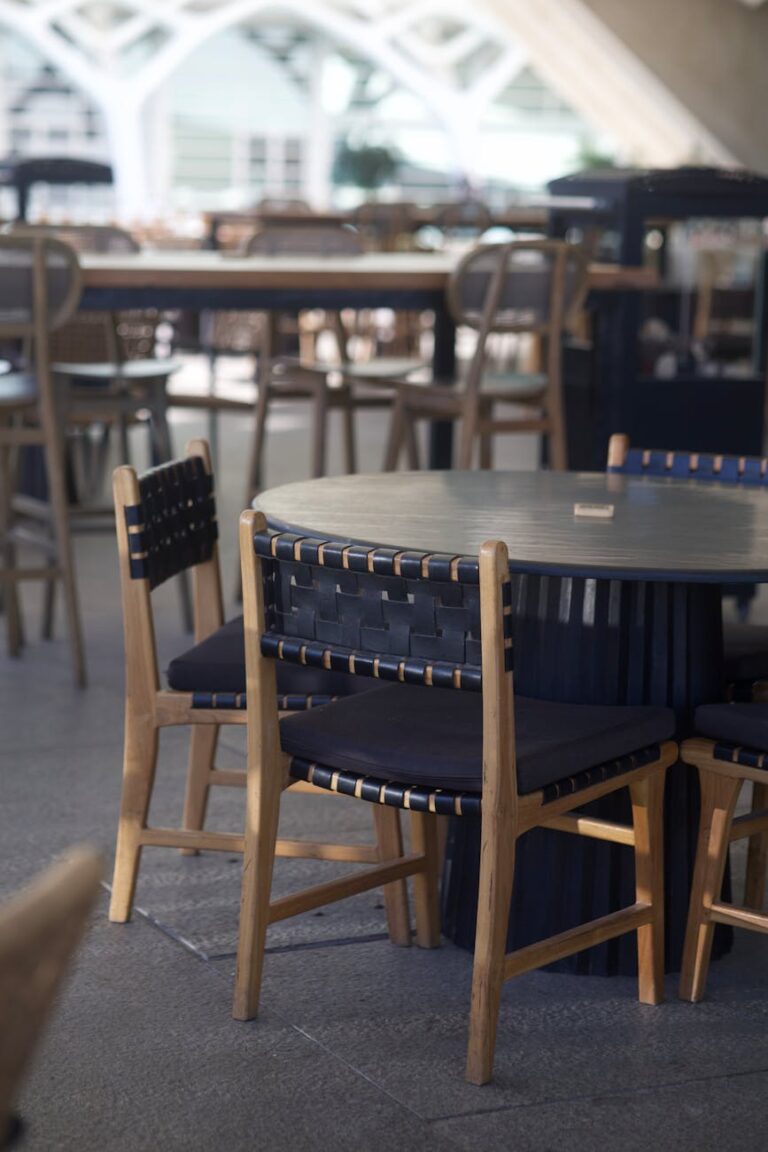
- Woven (Rattan, Wicker): Adds a natural, airy, or coastal feel. Best for less formal settings.
- Style Harmony:
- Matching: If you’ve chosen a dining room table set, the chairs will already match. This creates a cohesive, traditional look.
- Mix and Match: For a more eclectic or personalized look, you can mix chair styles.
- Same Style, Different Color: Use identical chairs but in varying upholstery colors.
- Different Styles, Same Color/Material: Combine different chair designs that share a common element like wood tone or upholstery color.
- Bench Seating: Integrate a bench on one side of a rectangular table for a casual, family-friendly option.
- Host and Hostess Chairs: Use two distinct, often more grand, armchairs at the heads of the table to create a focal point and add formality.
- Quantity: Ensure you have enough chairs for your typical gathering size, plus one or two extras for flexibility. Consider how many chairs comfortably fit around your chosen dining table dining room without feeling cramped. Leaving adequate space between chairs (around 6 inches) is ideal for ease of movement. High-quality dining room chairs are not just about looks; they contribute significantly to the overall comfort and usability of your dining space, inviting guests to sit back, relax, and enjoy.
Storage & Functionality: The Dining Room Cabinet
A dining room cabinet is more than just a piece of furniture; it’s a functional hero that brings organization, style, and display opportunities to your dining area. From housing fine china to providing extra serving space, a well-chosen cabinet enhances both the aesthetics and practicality of the room.
Maximizing Space with a Sleek Dining Room Cabinet
When selecting a dining room cabinet, consider its purpose, size, style, and how it will integrate with your existing dining room sets and decor.
- Types of Dining Room Cabinets:
- Buffet/Sideboard: These are low, long cabinets perfect for serving food, displaying decorative items, or housing dinnerware, flatware, and linens. Their flat top offers valuable counter space during gatherings.
- China Cabinet/Curio Cabinet: Taller cabinets, often with glass doors, designed to display fine china, crystal, or collectibles. They can add a touch of formality and elegance.
- Credenza: Similar to a sideboard but often deeper and with more storage, sometimes featuring drawers and shelving.
- Bar Cabinet: A dedicated cabinet for storing beverages, glassware, and bar accessories, perfect for entertaining.
- Functionality and Storage:
- Dinnerware & Serveware: Look for shelves that are adjustable and sturdy enough to hold heavy plates and platters.
- Linens: Drawers are ideal for storing tablecloths, napkins, and placemats, keeping them clean and wrinkle-free.
- Flatware: Dedicated flatware drawers or inserts can keep cutlery organized.
- Display: Glass-front cabinets or open shelving can showcase your prized possessions, adding personality and visual interest.
- Hidden Storage: Cabinets with solid doors are perfect for tucking away items you don’t want on display, such as less-used appliances or extra serving pieces.
- Size and Placement:
- Scale: Ensure the dining room cabinet is proportionate to your room and table. A massive cabinet in a small room can overwhelm the space.
- Wall Space: Measure your available wall space carefully, allowing for walkways around it.
- Accessibility: Place it within easy reach of the dining table for convenient access to items during meals.
- Opposite the Table: Often, a dining room cabinet looks balanced when placed on the wall opposite the dining tables dining room, acting as a secondary focal point.
- Style and Material:
- Matching your Dining Room Set: For a cohesive look, choose a cabinet that matches the wood tone, finish, or style of your dining room table set.
- Contrasting: Alternatively, a cabinet in a contrasting material (e.g., a sleek metal and glass cabinet in a rustic dining room) can add an interesting layer of design.
- Modern: Clean lines, minimalist hardware, and materials like lacquer, glass, or light woods.
- Traditional: Ornate details, rich wood tones, and classic hardware.
- Farmhouse/Rustic: Distressed finishes, reclaimed wood, and simple, sturdy designs.
A thoughtfully chosen dining room cabinet not only helps keep your dining room organized but also serves as an important design element, enhancing the overall functionality and aesthetic appeal of your space.
Personalizing Your Walls: Dining Room Wall Decor Ideas
While furniture, lighting, and rugs form the structural foundation, dining room wall decor is where your personal style truly shines. It’s the canvas that can tie all the elements together, add character, and create an inviting atmosphere.
Creative Touches for Your Dining Room Wall Decor
Thoughtful dining room wall decor can elevate your space from merely functional to truly inspiring.
- Art Collections:
- Large-Scale Art: A single oversized piece of art can make a dramatic statement and become a stunning focal point. Choose something that resonates with your personal taste and complements your room’s color scheme.
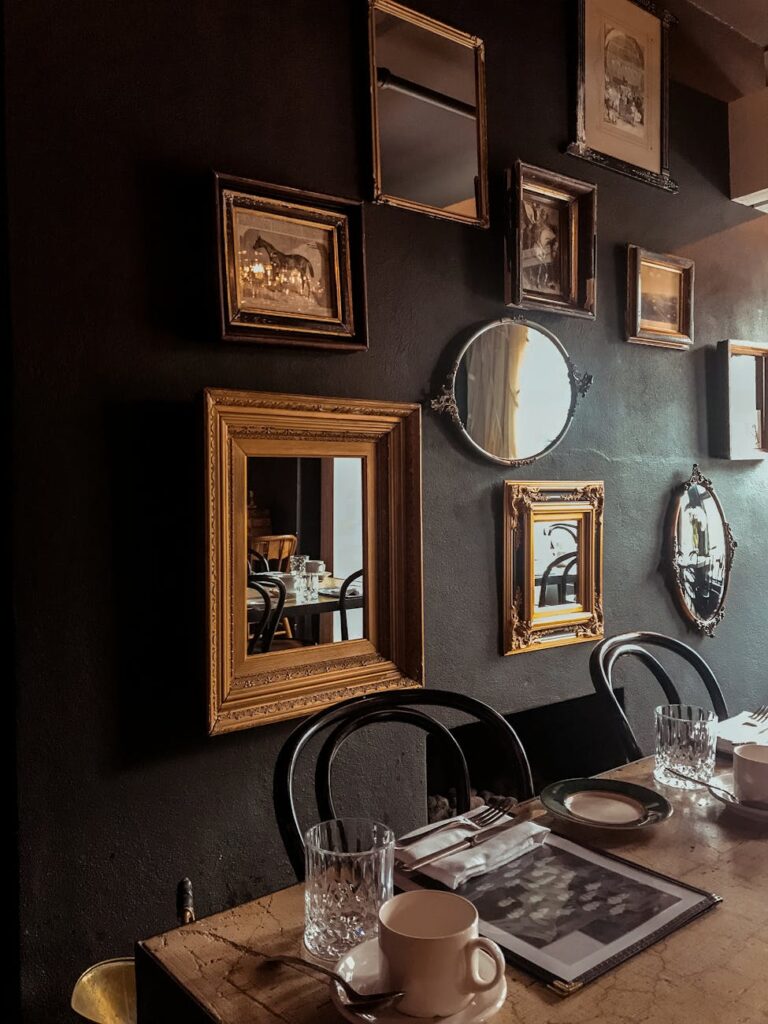
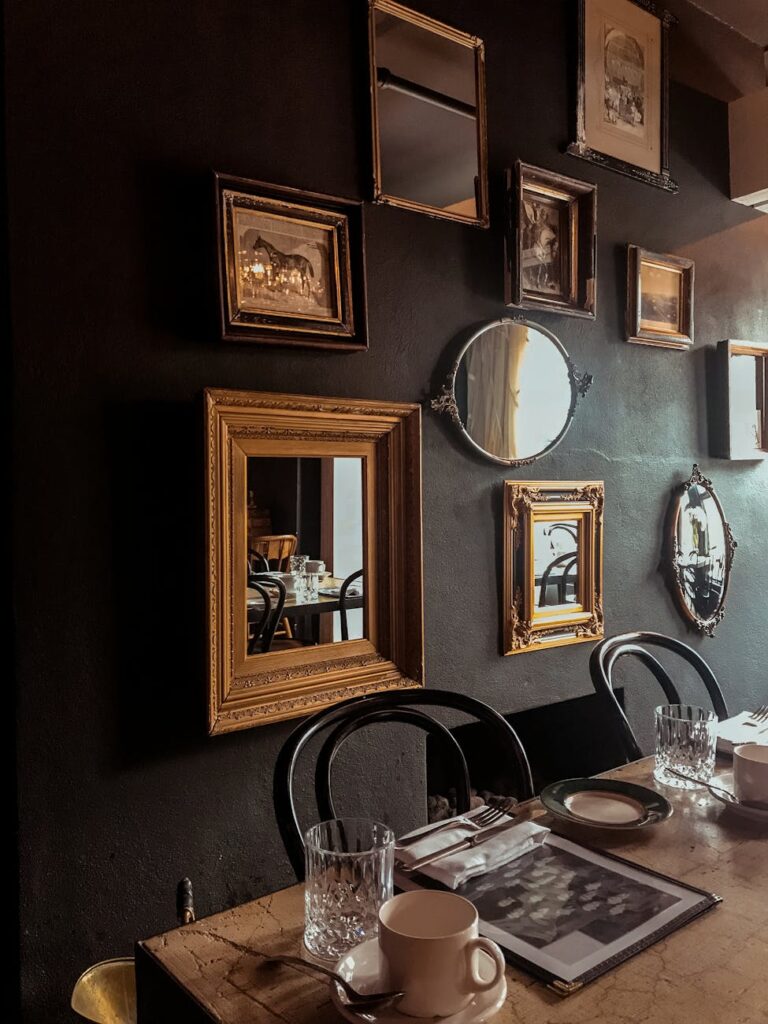
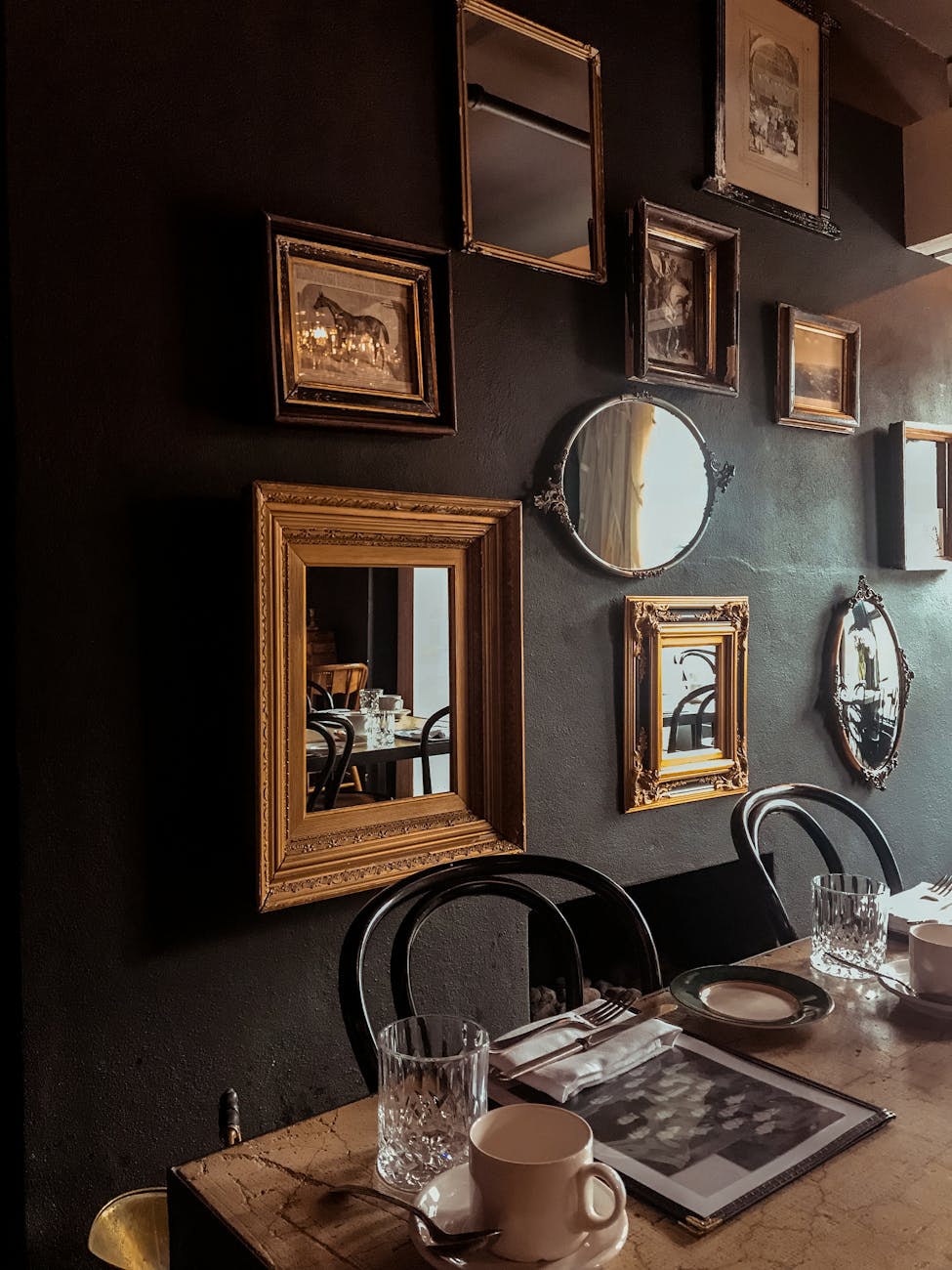
- Gallery Wall: Curate a collection of framed prints, photographs, or mirrors. Varying frame styles, sizes, and orientations can create an eclectic and dynamic display. Ensure there’s a unifying theme, whether it’s color, subject matter, or frame finish.
- Mirrors: Strategically placed mirrors can bounce light around the room, making it feel larger and brighter. A large, ornate mirror can add elegance, while a collection of smaller mirrors can create a chic gallery effect.
- Wallpaper and Wall Treatments:
- Accent Wall: A bold wallpaper pattern or a rich, dark paint color on one wall can create a dramatic backdrop for your dining room table set.
- Textural Treatments: Consider wainscoting, shiplap, or decorative wall panels for added architectural interest and texture. These can elevate a space, making it feel more refined or rustic, depending on the style.
- Murals: A custom mural can create an immersive experience, especially if you’re aiming for a specific theme or landscape.
- Functional Decor:
- Floating Shelves: Install floating shelves to display decorative plates, small plants, cookbooks, or cherished trinkets. This adds both storage and visual interest.
- Plate Walls: A classic and charming approach, especially for traditional or country-style dining rooms. Arrange decorative plates in a thoughtful pattern.
- Tapestries/Textile Art: Soften the room’s acoustics and add warmth with a beautiful tapestry or woven wall hanging.
- Architectural Details:
- Built-in Cabinetry: If space allows, custom built-ins around a window or along a wall can provide both storage and display opportunities, integrating seamlessly with your dining room cabinet concept.
- Molding and Trim: Enhance the room’s character with crown molding, chair rails, or picture frame molding. These details add a touch of sophistication and can define the space.
When planning your dining room wall decor, consider the scale of your room and the height of your ceilings. Avoid overcrowding walls, allowing each piece to breathe and contribute to the overall aesthetic. The goal is to create a personalized, visually engaging backdrop that complements your dining room sets and enhances the dining experience.
Bringing It All Together: Designing a Cohesive Dining Space
Creating a cohesive dining space means ensuring that all the elements – from your dining room sets to your dining room light fixtures and dining room wall decor – work harmoniously to create a specific mood and style. It’s about achieving balance, flow, and a sense of intention in your design choices.
Style Inspirations: Modern, Classic, and Minimalist Dining Rooms
Let’s explore how different design aesthetics can influence your choices for dining tables dining room, dining room chairs, dining room rugs, and more.
- Modern Dining Room:
- Key Characteristics: Clean lines, geometric shapes, open spaces, functionality, and often a neutral color palette with pops of bold color.
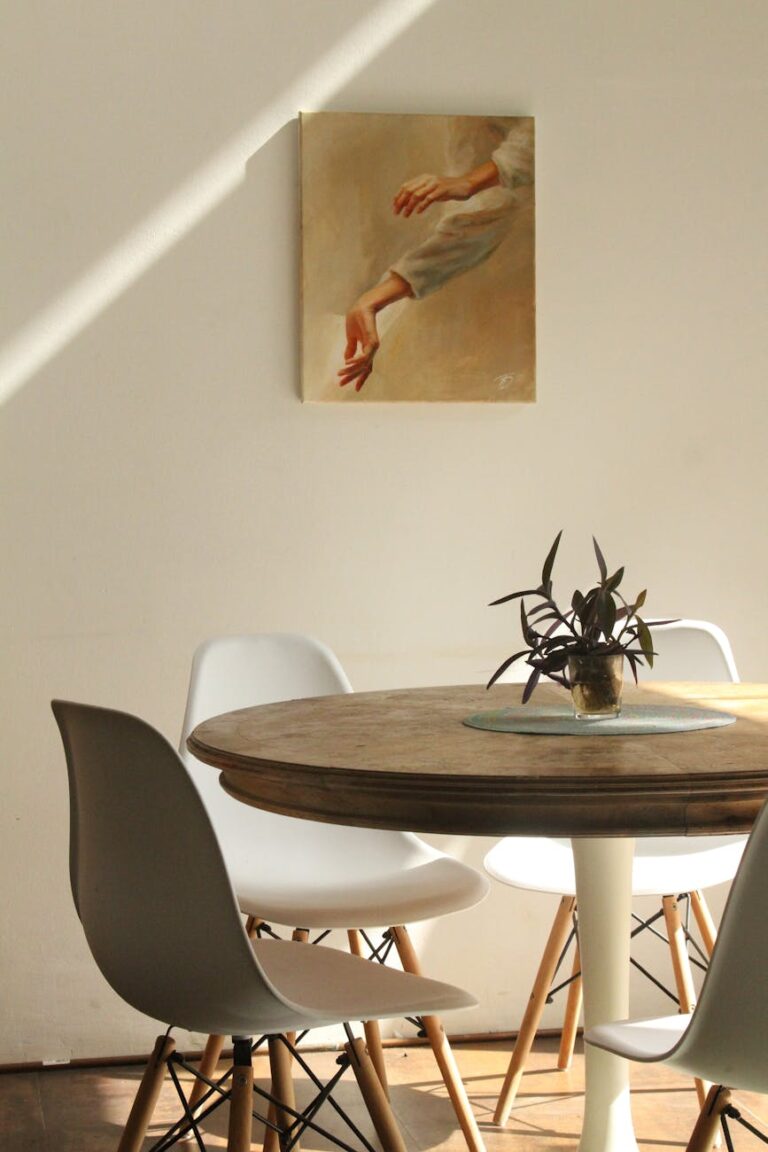
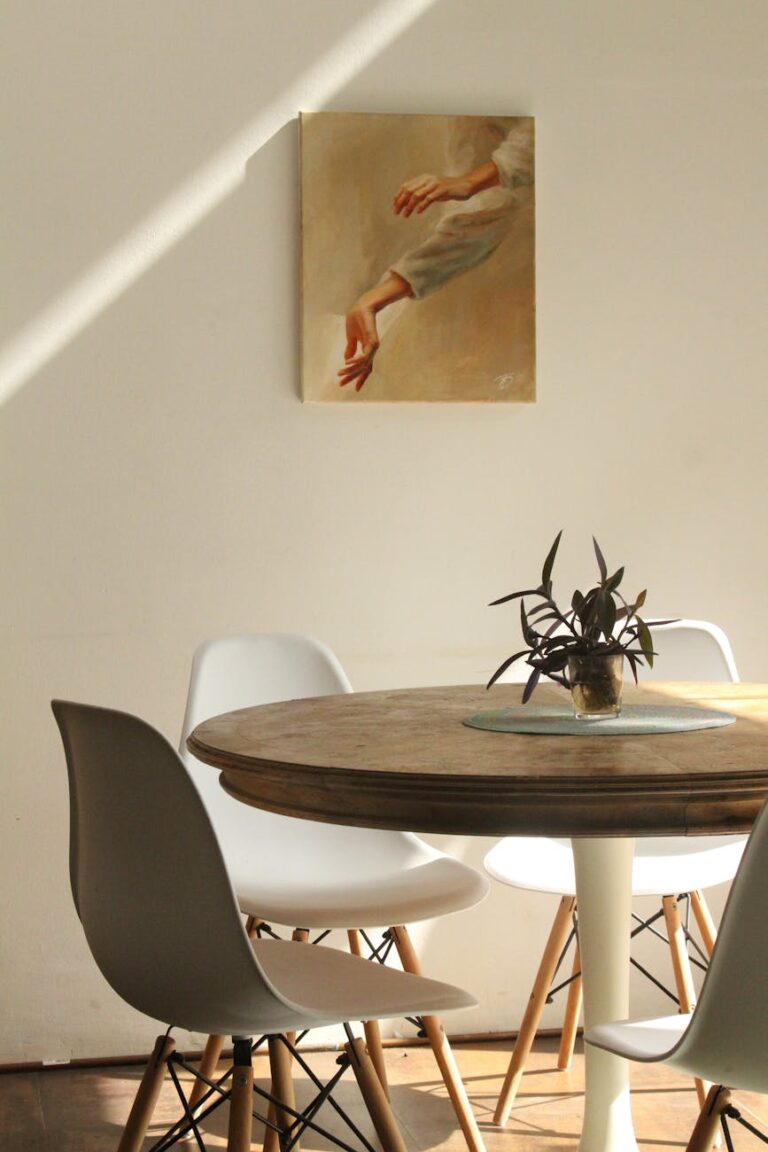
- Furniture: A sleek dining table dining room in glass, polished concrete, or a light-colored wood. Dining room chairs might be upholstered in performance fabric, cantilevered, or made of molded plastic. Look for dining room sets that emphasize simplicity and form.
- Lighting: Striking, sculptural dining room light fixtures or multiple minimalist pendants.
- Rug: A low-pile, geometric-patterned dining room rug or a plain neutral one to define the space.
- Cabinet: A dining room cabinet with clean lines, handle-less doors, and perhaps a high-gloss finish or a matte black.
- Wall Decor: Abstract art, large-scale photography, or a minimalist mirror. Focus on quality over quantity.
- Classic/Traditional Dining Room:
- Key Characteristics: Rich materials, intricate details, symmetry, formality, and a sense of enduring elegance.
- Furniture: A grand, often dark wood dining room table set (e.g., mahogany, cherry) with ornate carvings or pedestal bases. Dining room chairs might be upholstered in velvet, damask, or leather, often with turned legs or carved backs.
- Lighting: An opulent crystal chandelier or a multi-tiered brass fixture as the main dining room lighting. Sconces might complement.
- Rug: A Persian, Oriental, or patterned Aubusson dining room rug in rich jewel tones or muted classic colors.
- Cabinet: A substantial china cabinet or buffet in a matching dark wood, often with glass doors to display heirloom pieces.
- Wall Decor: Framed oil paintings, classical portraits, botanical prints, or large decorative mirrors with ornate frames. Wainscoting or intricate wallpaper can enhance the traditional feel.
- Minimalist Dining Room:
- Key Characteristics: “Less is more,” simplicity, functionalism, uncluttered spaces, neutral color palettes, and natural light.
- Furniture: A simple, solid wood or light-colored dining tables dining room with clean lines. Dining room chairs are often simple, ergonomic, and unadorned, perhaps in Scandinavian wood or a basic metal frame.
- Lighting: Discreet recessed dining room lighting or a single, understated pendant. The focus is on ambient light without visual clutter.
- Rug: A plain, natural fiber dining room rug (like jute or sisal) or a simple, subtly textured wool rug in a neutral tone.
- Cabinet: A simple, sleek dining room cabinet that blends into the wall, offering hidden storage without visual distraction.
- Wall Decor: Very sparse. Perhaps one carefully chosen piece of minimalist art, a simple clock, or nothing at all, allowing the clean lines of the furniture to speak.
- Farmhouse/Rustic Dining Room:
- Key Characteristics: Warm, inviting, natural materials, distressed finishes, comfortable textures, and a relaxed atmosphere.
- Furniture: A robust, often reclaimed wood dining tables dining room (like a trestle table or an expandable farmhouse table). Dining room chairs might be mismatched, Windsor chairs, ladder-back chairs, or upholstered in linen. Bench seating is common.
- Lighting: A wrought iron chandelier, industrial pendants, or rustic lantern-style dining room light fixtures.
- Rug: A braided dining room rug, a jute or sisal rug, or a distressed Oriental rug to add texture and warmth.
- Cabinet: A distressed hutch, a repurposed antique dresser, or a dining room cabinet with open shelving to display earthenware and rustic crockery.
- Wall Decor: Wooden signs with sentimental quotes, framed botanical prints, vintage maps, floating shelves with farmhouse pottery, or shiplap walls.
By considering your preferred style, you can select each element – from dining room sets to dining room lighting and dining room wall decor – to collectively create a harmonious and inviting space that truly reflects your vision. Remember that a cohesive interior is about balance, not necessarily perfect matching, allowing for personalization within a defined aesthetic.
FAQs About Designing Your Dining Room
Here are answers to some common questions about creating the perfect dining space:
Q1: How do I choose the right size dining table for my room?
A1: Measure your dining room carefully. You need at least 3 feet (36 inches) of clearance on all sides of the table from walls or other furniture to allow for comfortable seating and movement. A general rule for table size is to ensure your chosen dining tables dining room leaves sufficient space for chairs to be pulled out without hitting a wall. For example, if your room is 12×10 feet, a 6-foot rectangular table (72 inches) would leave about 2.5 feet on the long sides (144-72=72/2=36 inches) and 2 feet on the short sides (120-40=80/2=40 inches), which is adequate.
Q2: What’s the ideal height for a dining room chandelier?
A2: A dining room light fixtures like a chandelier should typically hang 30 to 36 inches above the surface of your dining tables dining room. This height ensures it provides ample light without obstructing views or being a hazard for taller guests. Adjust slightly based on your ceiling height and table size.
Q3: How large should a dining room rug be?
A3: Your dining room rug should be large enough so that when chairs are pulled out from the table, all four legs of the chair still remain on the rug. A good rule of thumb is to add at least 24-30 inches to all sides of your dining table’s dimensions. For example, a 60-inch round table would need a rug that is at least 108-120 inches in diameter.
Q4: Can I mix and match dining room chairs with my table?
A4: Absolutely! Mixing and matching dining room chairs is a popular design trend that adds personality and eclectic charm. You can use identical chairs in different colors, different chair styles in the same color or material, or even incorporate a bench on one side. Just ensure there’s a unifying element, like a consistent color palette, material, or shared style characteristic, to maintain cohesion with your dining room table set.
Q5: What’s the best material for dining room chairs for easy cleaning?
A5: For easy cleaning, especially in high-traffic or family dining rooms, look for dining room chairs upholstered in performance fabrics (e.g., Sunbrella, Crypton), faux leather, or wipeable vinyl. Solid wood or metal chairs are also very easy to clean with a damp cloth. Avoid delicate fabrics or heavily textured materials if spills are a concern.
Q6: What are some good dining room wall decor ideas for small spaces?
A6: For small dining rooms, focus on decor that enhances space or provides visual interest without clutter. Large mirrors can make a room feel bigger. A single, impactful piece of art draws the eye without overwhelming. Floating shelves can offer display space without bulk. Light-colored paint or subtle wallpaper patterns can also open up the room. Avoid too many small, busy items.
Q7: How can I create a warm atmosphere with dining room lighting?
A7: Layered dining room lighting is key. Use dimmers on your main dining room light fixtures (chandeliers or pendants) to adjust brightness. Incorporate accent lighting like wall sconces, buffet lamps on your dining room cabinet, or even candles to add softer glows. Opt for warm white light bulbs (2700K-3000K) to enhance coziness and make the space feel more inviting.
Q8: What kind of dining room cabinet should I get for extra storage?
A8: The type of dining room cabinet depends on your storage needs and space. A buffet or sideboard offers surface area for serving and closed storage for dishes, linens, and more. A china cabinet (often with glass doors) is great for displaying cherished items while also offering storage. For extensive storage, a credenza can provide deeper compartments and drawers.
Conclusion: Crafting Your Perfect Dining Experience
The dining room is more than just a place to eat; it’s a sanctuary for connection, a stage for celebration, and a reflection of your home’s personality. By thoughtfully curating each element, from the grand dining room sets to the subtlest dining room wall decor, you can create a space that’s not only beautiful but also deeply personal and profoundly functional.
We’ve journeyed through the essentials: selecting the perfect dining tables dining room and cohesive dining room table set, illuminating your space with stunning dining room light fixtures and layered dining room lighting, grounding your design with the right dining room rug, ensuring comfort and style with durable dining room chairs, optimizing organization with a sleek dining room cabinet, and personalizing your walls with creative dining room wall decor.
Remember, whether your style gravitates towards modern minimalism, timeless classic elegance, or a cozy rustic charm, the goal is to build a dining room you’ll genuinely love. A space where every meal feels special, every conversation flows easily, and every gathering leaves a lasting, warm impression.
Upgrade your space with the best dining room sets and stylish dining tables that bring comfort and elegance to every meal. Explore beautiful dining room light fixtures and modern dining room lighting ideas that brighten your space while creating a warm atmosphere. Add texture and style with a perfect dining room rug—or choose from a wide range of dining room rugs to complete the look. Keep your space organized and functional with a sleek dining room cabinet, and mix comfort with design using high-quality dining room chairs. For a cohesive interior, pair everything with a matching dining room table set and complete your space using creative dining room wall decor ideas. Whether your style is modern, classic, or minimalist, these inspirations help you build a dining room you’ll love. Start designing your dream dining room today and elevate your home living experience!