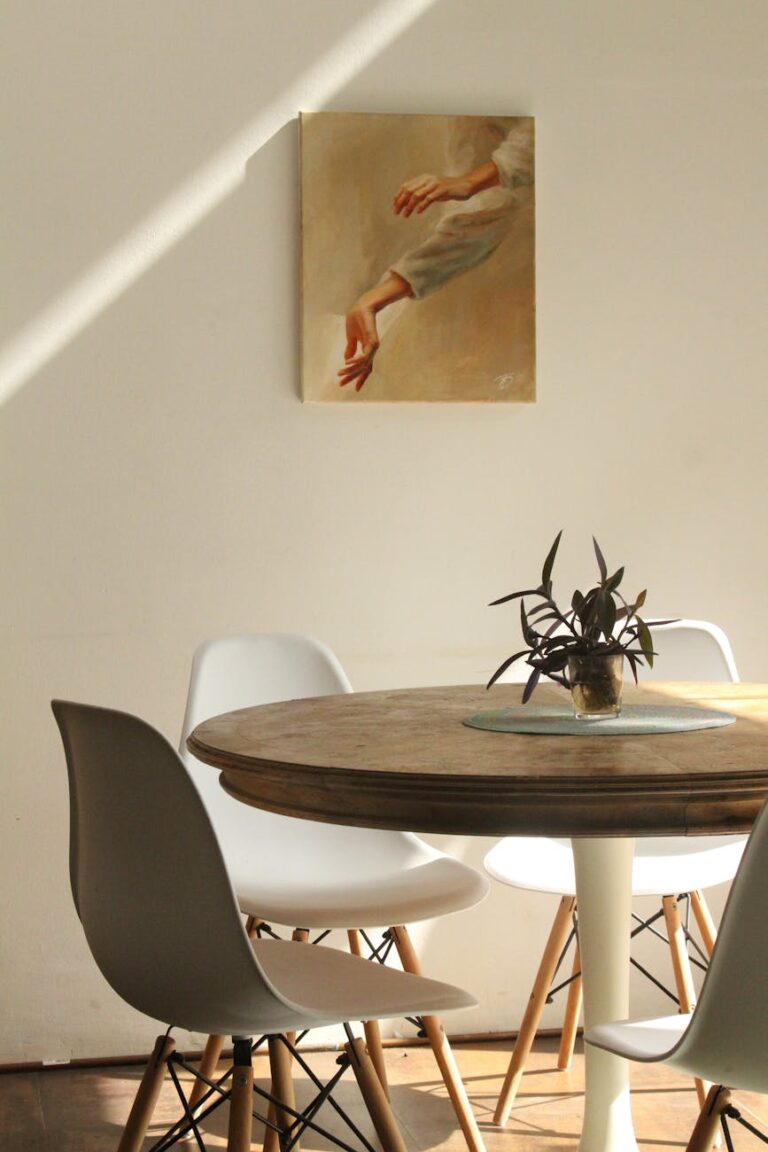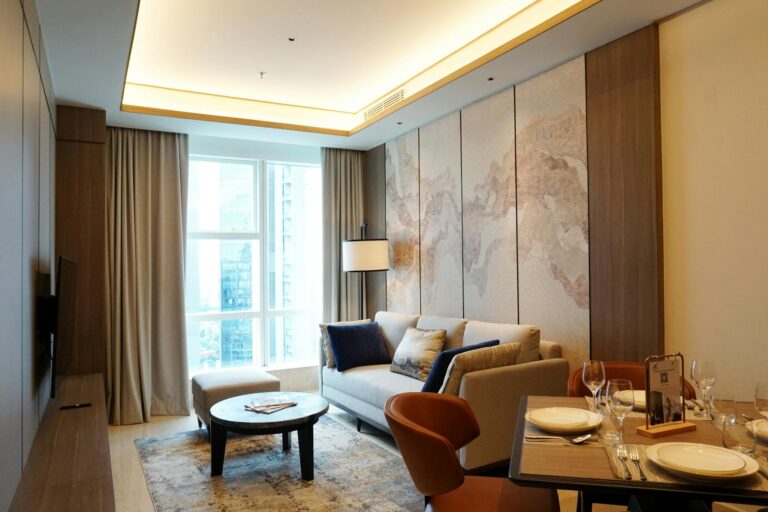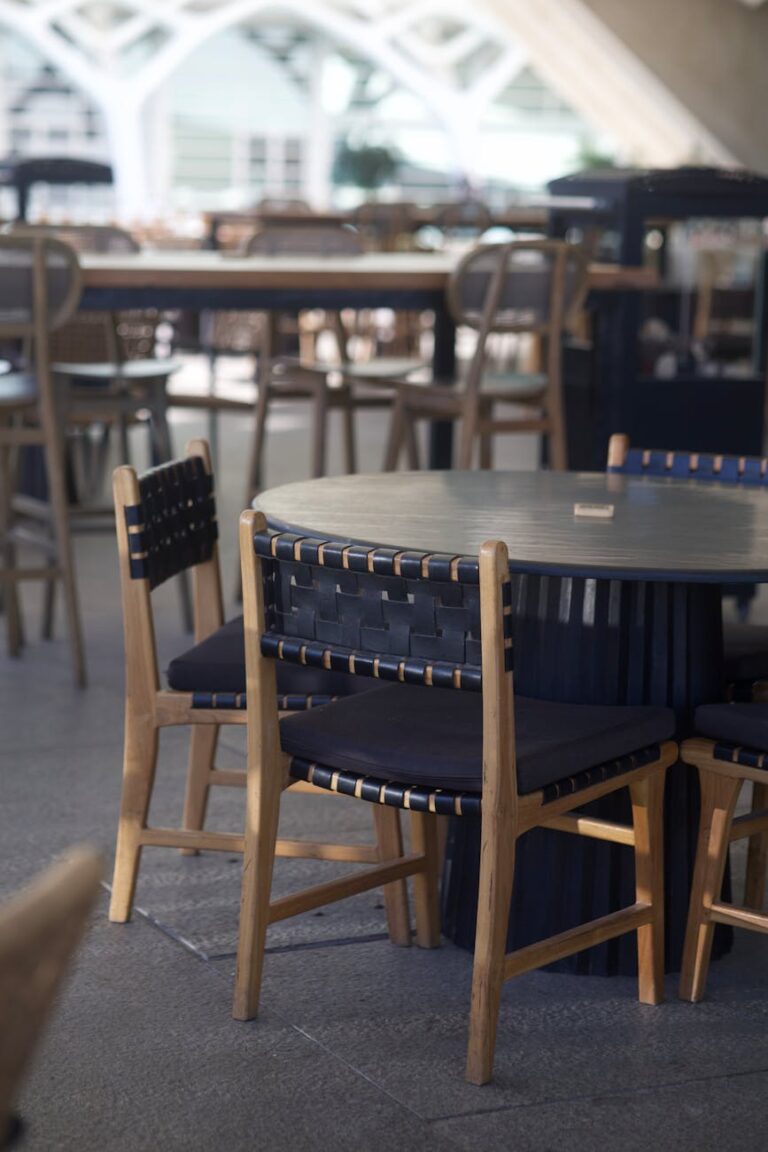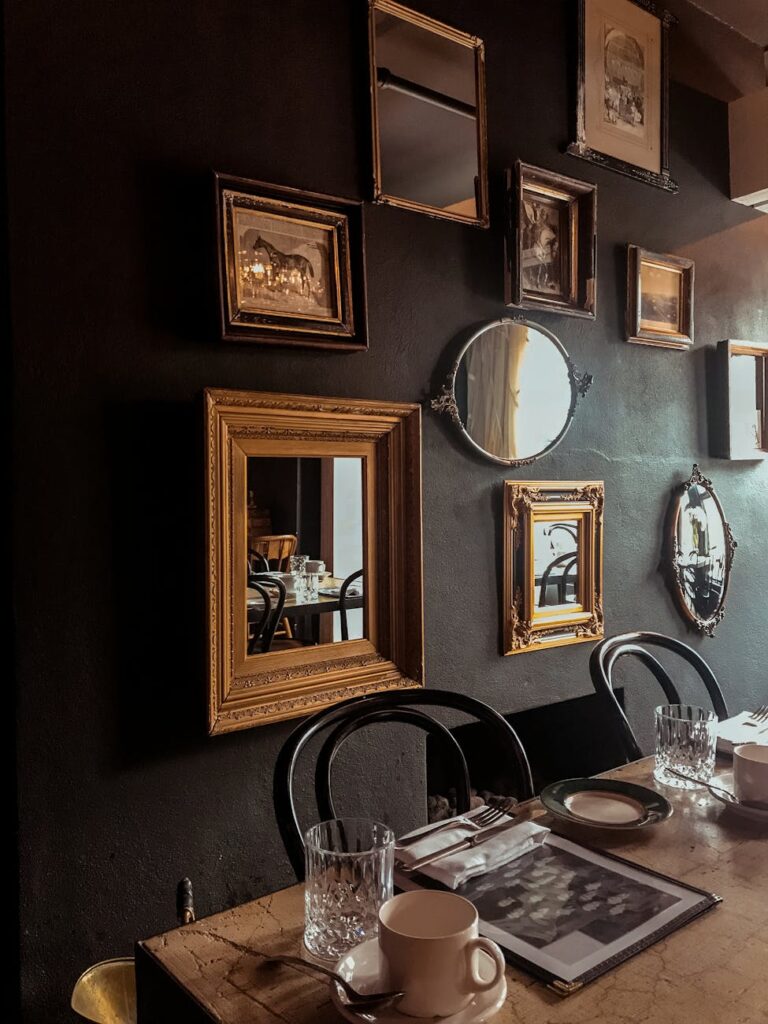
Create Your Ideal Dining Room Sets Lighting Rugs Decor
Crafting Your Dream Dining Room: The Ultimate Guide to Sets, Lighting, Rugs & Decor
Estimated reading time: 17 minutes
Key Takeaways
- Transform your dining space with the ultimate guide to dining room sets, stylish dining tables, and perfect dining room light fixtures.
- Discover tips for choosing the right dining room rug, functional dining room cabinets, and comfortable dining room chairs.
- Learn to create a warm, elegant, and organized space you’ll love with inspiring dining room wall decor.
- Understand how to balance elements like scale, proportion, texture, and color for a cohesive design.
- Explore modern, classic, and minimalist styles to find your perfect dining room aesthetic.
Table of Contents
- Introduction: More Than Just a Meal – Designing Your Perfect Dining Space
- 1. The Foundation: Choosing the Perfect Dining Room Sets and Tables
- 2. Seating in Style: Discovering the Right Dining Room Chairs
- 3. Illuminating Your Space: Dining Room Lighting and Light Fixtures
- 4. Grounding Your Design: The Role of Dining Room Rugs
- 5. Organized Elegance: Incorporating a Dining Room Cabinet
- 6. Personalizing Your Walls: Creative Dining Room Wall Decor Ideas
- 7. Harmonizing Your Space: Bringing It All Together
- 8. Modern, Classic, or Minimalist: Finding Your Dining Room Style
- FAQs about Designing Your Dining Room
- Conclusion: Your Inviting Dining Room Awaits
Introduction: More Than Just a Meal – Designing Your Perfect Dining Space
The dining room is more than just a place to eat; it’s the heart of hospitality, a gathering spot for family, and a stage for memorable celebrations. It’s where stories are shared, laughter echoes, and connections are forged over delicious meals. Understanding its importance helps us approach its design not merely as a functional necessity, but as an opportunity to create a warm, inviting, and truly personal space.
Upgrading your space means thinking holistically about every element, from the foundational dining room sets to the intricate details of dining room wall decor. The right choices can infuse comfort and elegance into every meal, reflecting your personal style – be it modern, classic, or minimalist. This comprehensive guide will walk you through each essential component, offering insights and inspiration to help you build a dining room you’ll not only love but one that perfectly serves your lifestyle. Let’s explore how to combine stylish dining tables, beautiful dining room light fixtures, the perfect dining room rugs, sleek dining room cabinets, and high-quality dining room chairs to craft a truly cohesive and inviting interior.
1. The Foundation: Choosing the Perfect Dining Room Sets and Tables
The dining room table is undeniably the centerpiece of the entire space, dictating flow, defining style, and serving as the primary gathering point. Pairing it with the right chairs creates a unified aesthetic and ensures comfort.
1.1. Selecting Your Ideal Dining Room Table Set
A dining room table set offers a cohesive and hassle-free solution for furnishing your space. These sets typically include a dining table and a matching number of dining room chairs, ensuring design harmony from the outset. When choosing among various dining room sets, consider the following:
- Size and Space: Measure your dining area meticulously. Allow at least 3 feet of clearance around the table for chairs to be pulled out comfortably and for people to walk around easily. A too-large set will cramp the space, while a too-small one might feel lost.
- Shape:
- Rectangular tables are the most common, accommodating more guests and fitting well in long, narrow rooms.
- Round tables promote intimacy and conversation, as everyone is equidistant. They work wonderfully in smaller or square rooms.
- Oval tables offer the best of both worlds, providing more surface area than a round table while maintaining softer edges than a rectangle.
- Square tables are ideal for smaller groups or square rooms.
- Material:
- Wood (solid or veneer): Timeless, durable, and versatile, available in countless finishes from rustic oak to sleek walnut.
- Glass: Modern, creates an illusion of space, but can show fingerprints easily.
- Metal: Industrial chic, strong, and often combined with wood or glass for mixed-material appeal.
- Stone (marble, granite): Luxurious and durable, but heavy and requires specific care.
- Style Match: Ensure the set’s style aligns with your home’s overall aesthetic. Modern sets feature clean lines and minimalist designs, while classic sets might boast intricate carvings or traditional finishes.
1.2. Understanding Dining Tables: Dining Room Essentials
If you prefer to mix and match or have specific needs, focusing solely on dining tables dining room selection is key. Beyond the set, individual tables offer greater flexibility in design.
- Fixed vs. Extendable: An extendable dining table is a smart choice for those who host occasionally but need less space day-to-day. Leaves can be added or removed to adjust seating capacity.
- Pedestal vs. Legged: Pedestal tables, with a central base, offer more legroom and flexibility for seating arrangements compared to tables with legs at each corner.
- Durability and Maintenance: Consider how the table will be used. A family with young children might prioritize a scratch-resistant, easy-to-clean surface, while a formal dining room could accommodate more delicate materials.
By carefully considering these factors for both dining room sets and individual dining tables dining room options, you lay a robust foundation for an inviting and functional space.
2. Seating in Style: Discovering the Right Dining Room Chairs
After the table, dining room chairs are the next most crucial element. They contribute significantly to both the comfort and aesthetic of your dining area. Mixing comfort with design is paramount here.
2.1. Comfort Meets Design: Selecting Your Dining Room Chairs
Choosing the right dining room chair involves balancing ergonomics with visual appeal.
- Comfort is Key: Guests should feel comfortable enough to linger and enjoy conversation. Consider:
- Seat depth and height: Ensure feet can comfortably rest on the floor and knees are at a 90-degree angle. Standard dining chair seat height is typically 18-19 inches.
- Backrest support: Look for chairs with supportive backrests that don’t push you too far forward.
- Padding: Upholstered seats and backs offer superior comfort, especially for longer meals.
- Style and Material:
- Wood chairs: Versatile, durable, and come in various finishes.
- Upholstered chairs: Add softness, color, and texture. Choose durable, stain-resistant fabrics for practicality.
- Metal chairs: Offer a contemporary or industrial look, often lightweight.
- Plastic/Acrylic chairs: Modern, easy to clean, and visually light.
- Armchairs vs. Side Chairs: Armchairs are often used at the head of the table for a more formal feel or added comfort. Side chairs, without arms, allow for easier tucking under the table and better space utilization.
- Mixing and Matching: Don’t be afraid to mix different styles or colors of dining room chair for an eclectic, personalized look. For instance, you could use two upholstered armchairs at the ends of a wooden table and simple wooden side chairs along the sides. Ensure there’s a unifying element, such as a consistent color palette, material, or overall design era.
- Quantity: As a rule of thumb, allow about 24-30 inches of table edge per person for comfortable seating.
By thoughtfully selecting dining room chairs that complement your table and prioritize comfort, you ensure that every meal is enjoyed in style.
3. Illuminating Your Space: Dining Room Lighting and Light Fixtures
The right dining room lighting goes beyond mere illumination; it sets the mood, highlights architectural features, and makes food look more appealing. It’s about creating a warm atmosphere that enhances the dining experience.
3.1. Brightening Up: Essential Dining Room Lighting Concepts
Effective dining room lighting relies on a layered approach, combining different types of light to achieve versatility and depth.
- Ambient Lighting: This is the general, overall illumination of the room. It often comes from a central overhead fixture like a chandelier or flush mount. It provides the base level of brightness.
- Task Lighting: While less critical in a traditional dining room, if you have a buffet or cabinet where food is prepared or served, accent lighting can serve a task function.
- Accent Lighting: Used to highlight specific features, such as artwork on the wall, a beautiful cabinet, or architectural details. Wall sconces, recessed lights, or track lighting can serve this purpose.
- Dimmers are a Must: Incorporating dimmer switches for all dining room lighting is highly recommended. This allows you to adjust the intensity of light to suit different occasions – bright for homework, soft for romantic dinners, or subdued for casual gatherings.
3.2. The Statement Piece: Choosing Dining Room Light Fixtures
Dining room light fixtures are often the focal point of the room, acting as both a functional light source and a significant decorative element.
- Chandeliers: The classic choice for dining rooms, chandeliers come in an endless array of styles, from ornate crystal to minimalist modern designs. They provide ambient light and make a grand statement.
- Pendant Lights: A series of smaller pendant lights can offer a more contemporary look than a single chandelier, especially over a long rectangular table. They provide focused light and visual interest.
- Flush Mount/Semi-Flush Mounts: Suitable for rooms with lower ceilings where a hanging fixture might impede movement or feel overwhelming. They offer good ambient light.
- Wall Sconces: These fixtures add warmth and ambient light without taking up floor space. They are excellent for creating accent lighting and drawing attention to specific wall features.
- Sizing and Placement Tips:
- Fixture Diameter: For a hanging fixture (chandelier, pendant), the general rule is that its diameter should be approximately half to two-thirds the width of your dining table.
- Height Above Table: The bottom of the fixture should hang approximately 30-36 inches above the tabletop. This prevents it from obstructing views or head-bumping, while still providing effective illumination.
- Centering: Always center the fixture over the dining table, not necessarily the room, to ensure the light is where it’s needed most.
By carefully selecting and layering your dining room light fixtures and planning your overall dining room lighting strategy, you can create a dynamic and inviting ambiance that perfectly complements your dining experience.
4. Grounding Your Design: The Role of Dining Room Rugs
A dining room rug is far more than just a floor covering; it defines the dining area, adds warmth, absorbs sound, and injects texture and style into your space.
4.1. Underfoot Elegance: Selecting a Dining Room Rug
Choosing the right dining room rug involves a blend of aesthetics and practicality. It should complement your decor while standing up to the demands of a high-traffic, food-prone area.
- Size Matters Most: This is the most common mistake. Your dining room rugs should be large enough so that when chairs are pulled out, all four legs remain on the rug. A good rule of thumb is to choose a rug that extends at least 24-36 inches beyond all sides of the dining table. For example, if your table is 42×72 inches, your rug should be at least 90×120 inches.
- Shape:
- Match the shape of your table: A rectangular rug under a rectangular table, a round rug under a round table, etc. This creates a cohesive look.
- However, a large rectangular rug can also work under an oval or even a round table, especially if it helps define the entire dining zone within an open-plan space.
- Material:
- Low Pile: Crucial for dining rooms. A low-pile rug allows chairs to slide in and out easily without snagging and makes cleaning crumbs much simpler.
- Durable & Stain-Resistant: Materials like wool (naturally durable and stain-resistant), synthetic fibers (polypropylene, nylon for high traffic), or even outdoor rugs (designed for easy cleaning) are excellent choices. Avoid high-pile shag rugs.
- Jute/Sisal: Adds natural texture but can be rough and harder to clean if spills occur.
- Color and Pattern:
- Darker Colors/Patterns: Excellent for camouflaging spills and everyday wear.
- Lighter Colors: Can make the space feel more open and airy but require more vigilance against stains.
- Pattern: A pattern can add visual interest and anchor the room. Ensure it doesn’t clash with other prominent patterns in the room, like wallpaper or upholstery.
- Placement: The rug should be centered beneath the dining table. Use a non-slip rug pad underneath to prevent slipping and provide extra cushioning.
By carefully considering the size, material, and style of your dining room rug or dining room rugs, you can beautifully ground your dining area, add a layer of sophistication, and protect your flooring.
5. Organized Elegance: Incorporating a Dining Room Cabinet
A dining room cabinet is an unsung hero of the dining space, offering both crucial storage and a significant opportunity for decorative display. It helps keep your space organized and functional, preventing clutter and adding a layer of sophistication.
5.1. Function and Flair: Why You Need a Dining Room Cabinet
Whether you call it a sideboard, buffet, hutch, or china cabinet, a dining room cabinet serves multiple vital purposes:
- Storage Solutions:
- Table Linens: Store tablecloths, placemats, and napkins, keeping them wrinkle-free and easily accessible.
- Serveware: Keep platters, serving bowls, and extra dishware close at hand for entertaining.
- Glassware/Barware: A cabinet can house your wine glasses, cocktail essentials, or even serve as a mini-bar.
- Hidden Storage: Drawers and closed cabinets are perfect for stashing away less attractive but necessary items like candles, bottle openers, or rarely used serving utensils.
- Display Storage: Glass-fronted cabinets or open shelves allow you to showcase cherished china, decorative plates, crystal, or other decorative items, adding personality and visual interest to the room.
- Surface Space: The top surface of a dining room cabinet provides an excellent area for:
- Serving Buffet: Ideal for setting out food during gatherings, freeing up space on the main dining table.
- Decorative Display: A prime spot for a floral arrangement, a collection of art objects, a table lamp (adding ambient light), or framed photos.
- Defining the Space: A well-placed cabinet can help define the dining area, especially in open-concept homes.
- Material and Style Matching:
- Wood: A classic choice, offering warmth and traditional appeal. Match it to your dining table or choose a complementary finish.
- Lacquered/Painted: Can add a pop of color or a sleek, modern touch.
- Metal/Glass: Ideal for contemporary or industrial styles.
- Consider the overall aesthetic: A rustic farmhouse dining room might feature a distressed wooden buffet, while a minimalist space would benefit from a sleek, handle-less design.
Investing in a high-quality dining room cabinet ensures your space remains tidy, functional, and aesthetically pleasing, effortlessly blending utility with elegance.
6. Personalizing Your Walls: Creative Dining Room Wall Decor Ideas
Dining room wall decor is the ultimate touch that transforms a functional space into a personal sanctuary. It adds character, depth, and a narrative to your dining experience.
6.1. Beyond the Table: Inspiring Dining Room Wall Decor
The walls surrounding your dining tables dining room offer a canvas for creativity, allowing you to infuse your personality and style into the space.
- Art and Mirrors:
- Large-Scale Art: A single oversized piece of art can create a dramatic focal point and anchor the room. Choose a piece that resonates with your personal taste and color scheme.
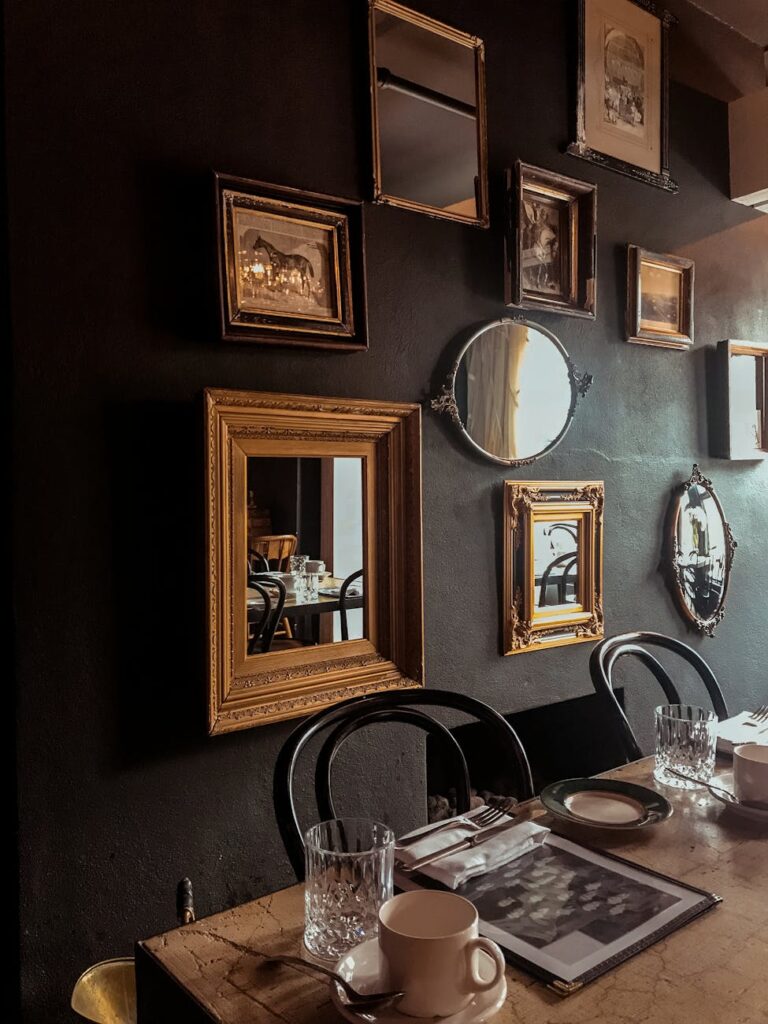
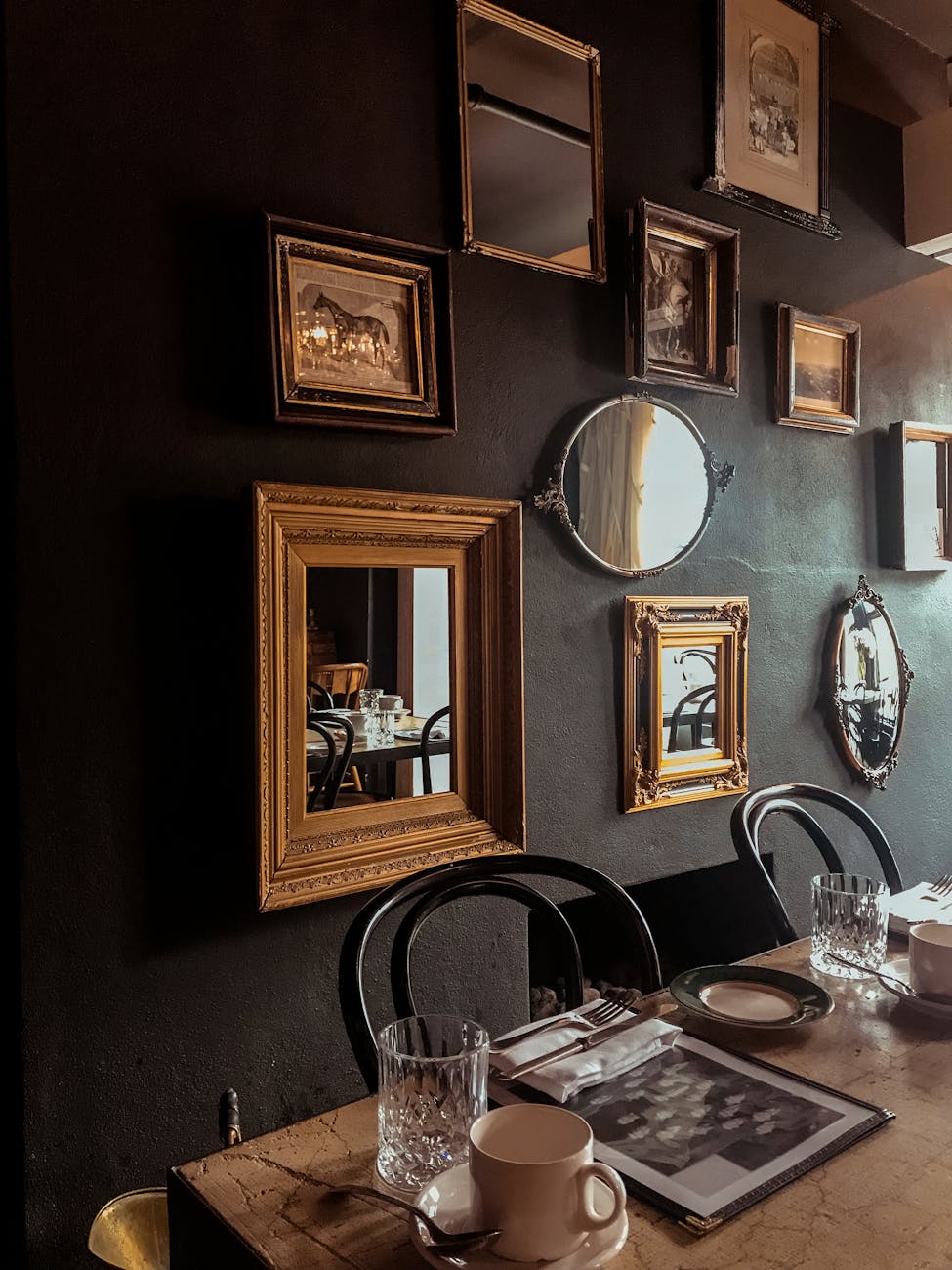
- Gallery Wall: A curated collection of framed art, photos, or objects arranged artfully can tell a story and add dynamic interest. Vary frame sizes, colors, and textures for an eclectic look, or keep them consistent for a more cohesive feel.
- Mirrors: Strategically placed mirrors can make a small dining room feel larger and brighter by reflecting light and creating an illusion of depth. Choose an ornate frame for a classic touch or a simple, sleek one for a modern aesthetic.
- Architectural Elements and Shelving:
- Built-in Shelving: If possible, built-in shelves can provide both display space for decorative items and practical storage for cookbooks or serving dishes.
- Floating Shelves: A few well-placed floating shelves can hold small plants, decorative objects, or a collection of small art pieces.
- Wainscoting or Paneling: Adding architectural detailing to the lower half of the walls can instantly elevate the room’s sophistication and traditional charm.
- Decorative Plates and Tapestries:
- Plate Walls: A collection of decorative plates arranged artfully on a wall can add a charming, vintage, or global touch.
- Tapestries or Wall Hangings: These can introduce texture, pattern, and warmth, especially in larger spaces, and can also help with acoustics.
- Color and Texture:
- Accent Wall: A bold paint color or patterned wallpaper on one wall can create a dramatic statement without overwhelming the entire room.
- Textural Finishes: Venetian plaster, grasscloth wallpaper, or even a brick accent wall can add significant tactile interest.
- Creating Focal Points: Beyond the dining table, consider using dining room wall decor to create a secondary focal point, perhaps above a dining room cabinet or on the largest unobstructed wall. This balances the room’s visual weight and adds depth.
Thoughtfully chosen dining room wall decor allows you to complete your space using creative ideas that enhance the overall ambiance, making your dining room truly unique and inviting.
7. Harmonizing Your Space: Bringing It All Together
Designing a beautiful dining room isn’t just about selecting individual pieces; it’s about making sure they all work together in harmony. A cohesive interior is one where every element, from the dining room table set to the smallest piece of dining room wall decor, contributes to a unified and pleasing aesthetic.
7.1. Cohesive Design: Crafting a Unified Dining Room Experience
Achieving a harmonious dining room involves a few key principles:
- Theme and Color Palette Consistency:
- Establish a Theme: Decide on an overarching theme (e.g., rustic, coastal, industrial, minimalist, glamorous) early in the design process. This will guide all your choices.
- Select a Color Palette: Choose 3-5 colors that complement each other. This typically includes a dominant neutral, a secondary color, and 1-2 accent colors. Use these colors across your walls, upholstery of dining room chairs, dining room rug, and accessories.
- Balancing Different Elements:
- Scale and Proportion: Ensure that the size of your dining room light fixtures, dining tables dining room, dining room cabinet, and artwork are appropriate for the room’s dimensions. An oversized chandelier in a small room or tiny art on a large wall will look awkward.
- Texture Contrast: Combine different textures to add visual interest. For instance, pair a smooth glass table with a textured dining room rug, or metallic dining room light fixtures with soft fabric dining room chairs.
- Visual Weight: Distribute the visual weight of your furniture evenly. If you have a heavy dining room cabinet on one side, balance it with a large piece of art or a grouping of elements on the opposite wall.
- Personal Touches:
- While adhering to design principles is important, don’t forget to infuse your personality. Display items that are meaningful to you – family photos, travel souvenirs, or cherished heirlooms. These personal touches are what truly make a house a home and ensure your dining room feels uniquely yours.
- Consider how different elements like a new dining room table set or vibrant dining room rugs can elevate the entire atmosphere.
By focusing on these principles, you can create a seamless and inviting dining room where every element flows together, resulting in a space that is both stylish and perfectly functional for all your needs.
8. Modern, Classic, or Minimalist: Finding Your Dining Room Style
Whether your style is modern, classic, or minimalist, these inspirations help you build a dining room you’ll love. Each style has distinct characteristics that influence the choice of dining room sets, dining room light fixtures, dining room rug, dining room cabinet, dining room chairs, and dining room wall decor.
8.1. Exploring Diverse Aesthetics: From Contemporary to Timeless
Understanding these popular design aesthetics can help you curate a cohesive look for your dining room:
- Modern Dining Room:
- Characteristics: Clean lines, simple forms, functionality, often features open spaces and a lack of excessive ornamentation. Materials like glass, metal, sleek wood, and high-gloss finishes are common.
- Dining Room Sets/Tables: Sleek, often rectangular or round tables with minimalist bases (pedestal or thin legs).
- Dining Room Chairs: Often upholstered in solid colors, molded plastic, or sleek metal designs.
- Dining Room Lighting: Geometric pendants or minimalist chandeliers in chrome, black, or brushed nickel. Recessed lighting is also common.
- Dining Room Rug: Geometric patterns, solid colors, or subtle textures in neutral tones.
- Dining Room Cabinet: Handle-less sideboards or buffets with clean, flat surfaces.
- Dining Room Wall Decor: Abstract art, large mirrors with simple frames, or minimalist shelving.
- Goal: To create a sophisticated, uncluttered, and highly functional space.
- Classic/Traditional Dining Room:
- Characteristics: Richness, elegance, comfort, symmetry, and often ornate details. Inspired by historical design periods. Materials like dark woods, carved details, and luxurious fabrics.
- Dining Room Sets/Tables: Often large, grand tables made of cherry, mahogany, or oak, possibly with carved legs or detailed inlays.
- Dining Room Chairs: Upholstered chairs with elegant fabrics (velvet, brocade), often featuring rolled backs, tufting, or carved wooden frames.
- Dining Room Lighting: Ornate crystal chandeliers, brass fixtures, or candelabra-style designs.
- Dining Room Rug: Persian, Oriental, or damask patterns in rich, deep colors or muted tones.
- Dining Room Cabinet: China cabinets, hutches, or buffets with intricate carvings, glass fronts, and traditional hardware.
- Dining Room Wall Decor: Landscape paintings, portraits, antique mirrors, or classical sconces.
- Goal: To evoke a sense of timeless grandeur, warmth, and formal elegance.
- Minimalist Dining Room:
- Characteristics: “Less is more.” Extreme simplicity, clean lines, monochromatic palettes, essential functionality, and an absence of clutter. Focus on quality over quantity.
- Dining Room Sets/Tables: Simple, often light-colored wood or white tables with very clean lines.
- Dining Room Chairs: Unadorned, often Scandinavian-inspired designs in wood, metal, or simple upholstery.
- Dining Room Lighting: Simple pendant lights with exposed bulbs, or very discreet recessed lighting.
- Dining Room Rug: Often omitted, or a very plain, solid-colored, low-pile rug in a neutral tone (grey, beige, white).
- Dining Room Cabinet: Sleek, integrated storage that blends seamlessly with the wall, or a very simple, unadorned sideboard.
- Dining Room Wall Decor: Often bare, or a single, small, impactful piece of art.
- Goal: To create a calm, serene, and spacious environment that promotes focus and tranquility.
By identifying which style resonates most with you, you can make informed decisions across all aspects of the dining room sets, dining room lighting, dining room rugs, and dining room wall decor, ensuring a truly cohesive and beloved dining space.
FAQs about Designing Your Dining Room
Here are some frequently asked questions to help you refine your dining room design choices:
Q1: How do I choose the right size dining room rug?
A1: The most crucial rule is that all chair legs should remain on the rug even when pulled out. To achieve this, your dining room rug should extend at least 24-36 inches (60-90 cm) beyond all sides of your dining table. Measure your table, add 48-72 inches (120-180 cm) to both the length and width, and that’s your ideal rug dimension. For round tables, use the same rule: diameter of the table plus 48-72 inches.
Q2: What is the ideal height for a dining room light fixture above the table?
A2: For most standard 8-foot ceilings, the bottom of your dining room light fixture (chandelier or pendant) should hang approximately 30-36 inches (75-90 cm) above the tabletop. If you have higher ceilings, you can raise it slightly, but ensure it doesn’t obstruct views or conversation across the table.
Q3: Can I mix and match dining room chairs?
A3: Absolutely! Mixing and matching dining room chairs is a popular and stylish way to add personality and visual interest. To ensure a cohesive look, try to have a unifying element, such as a consistent color palette, similar material (e.g., all wood, but different styles), or a shared design era. You might use two different armchairs at the heads of the table and a set of identical side chairs, or alternate two different chair styles around the table.
Q4: What are the benefits of having a dining room cabinet?
A4: A dining room cabinet (sideboard, buffet, hutch) offers numerous benefits:
- Storage: Provides essential storage for table linens, serveware, glassware, and less frequently used items, reducing clutter.
- Display: Glass-fronted cabinets or open shelves allow you to showcase decorative items, china, or collectibles.
- Serving Surface: The top surface acts as a buffet during gatherings, freeing up space on the main dining table.
- Aesthetic Appeal: It adds a significant piece of furniture that contributes to the room’s style and visual balance.
Q5: How can I make a small dining room feel larger?
A5: To make a small dining room feel more spacious:
- Use lighter colors: Light paint colors, dining room sets, and dining room rugs reflect light and create an airy feel.
- Incorporate mirrors: A large mirror on one wall will reflect light and the room itself, creating an illusion of depth.
- Choose light fixtures wisely: Opt for sleek, vertical pendants or minimalist dining room light fixtures that don’t visually weigh down the space.
- Select appropriate furniture: Choose a round or oval dining tables dining room set for easier flow, and chairs with open backs or lighter profiles.
- Minimize clutter: Keep dining room wall decor simple and avoid over-accessorizing the dining room cabinet.
Conclusion: Your Inviting Dining Room Awaits
Designing your dining room is an exciting journey of transforming a functional space into a vibrant hub for connection and celebration. By thoughtfully considering each element—from the foundational dining room sets and stylish dining tables dining room to the inviting glow of dining room light fixtures and the grounding presence of a dining room rug—you lay the groundwork for a truly special space.
Remember that a well-chosen dining room cabinet offers vital organization, while comfortable dining room chairs invite prolonged conversation. Finally, personalized dining room wall decor adds the unique touch that truly makes the space your own. Whether your aesthetic leans modern, classic, or minimalist, the key is to create a cohesive interior that reflects your personal style and meets your functional needs.
Upgrade your space today with these inspirations, and build a dining room you’ll love—one meal, one conversation, and one cherished memory at a time.