Ultimate Guide to Exquisite Dining Room Design
Crafting Your Culinary Sanctuary: The Ultimate Guide to Designing an Exquisite Dining Room
Estimated reading time: 13 minutes
Key Takeaways
- Foundation First: Begin your dining room design by selecting the right-sized dining room sets and dining tables that fit your space and aesthetic, ensuring 36-48 inches of clearance around the table.
- Layered Illumination: Implement a layered lighting scheme using chandeliers or pendants as primary ambient light (positioned 30-36 inches above the table), supplemented by sconces or recessed lights, all controlled by dimmers to craft the perfect mood.
- Rugs for Definition and Comfort: Choose a dining room rug that extends at least 24-36 inches beyond the table’s edge on all sides, opting for durable, low-pile materials like wool or synthetics for easy maintenance and comfort.
- Chairs: Style and Substance: Select dining room chairs that blend ergonomic comfort with your room’s design, considering a mix-and-match approach or cohesive sets, with appropriate seat height and durable upholstery.
- Multifunctional Storage: Integrate a dining room cabinet (buffet, hutch, or sideboard) to provide essential storage for dinnerware and linens, while also serving as a display surface and convenient serving station.
- Personalized Wall Decor: Express your unique style with dining room wall decor such as gallery walls, strategically placed mirrors to enhance space, elegant wall coverings, or curated shelving displays.
Table of Contents
- Crafting Your Culinary Sanctuary: The Ultimate Guide to Designing an Exquisite Dining Room
- The Foundation: Choosing the Perfect Dining Room Sets and Dining Tables
- Illuminating Your Gatherings: Dining Room Light Fixtures and Lighting Ideas
- Underfoot Elegance: Selecting the Ideal Dining Room Rug
- Seating in Style: Discovering the Perfect Dining Room Chairs
- Organized Beauty: The Versatility of a Dining Room Cabinet
- Personalizing Your Space: Creative Dining Room Wall Decor Ideas
- The Cohesive Ensemble: Crafting a Harmonious Dining Room Table Set
- Styling Your Dining Room: Modern, Classic, and Minimalist Approaches
- FAQs about Designing Your Dream Dining Room
- Conclusion: Your Dining Room, Reimagined
The Foundation: Choosing the Perfect Dining Room Sets and Dining Tables
The dining room is more than just a place to eat; it’s the heart of hospitality, a gathering space where memories are made, stories are shared, and daily routines transform into cherished moments. Whether it’s a bustling family breakfast, a quiet intimate dinner, or a lively celebration with friends, your dining room sets the stage for every occasion. But designing a dining room that perfectly balances aesthetic appeal with practical functionality can be a daunting task.
This comprehensive guide is your ultimate resource for transforming your dining space into a culinary sanctuary. We’ll delve into every essential element, from the foundational dining room sets and dining tables to the captivating allure of dining room light fixtures and the comforting embrace of dining room rugs. We’ll explore the comfort and style of dining room chairs, the organizational prowess of dining room cabinets, and the personal touch of dining room wall decor. Our aim is to provide you with the inspiration and practical advice needed to curate a dining room you’ll absolutely love, reflecting your unique style whether it’s modern, classic, or minimalist.
Let’s embark on this journey to upgrade your space, infuse it with elegance, and ensure every meal is an experience to savor.
Understanding Your Space: Size and Shape Considerations
Before falling in love with a particular design, it’s essential to assess your dining room’s dimensions and layout. The ideal table allows for comfortable seating and sufficient space for movement around it.
- Rectangular Tables: The most common choice, rectangular tables are excellent for larger families and entertaining, providing ample surface area. They fit well in most rectangular rooms. Ensure you have at least 36-48 inches of clearance around all sides of the table for chairs to be pulled out and people to walk by comfortably.
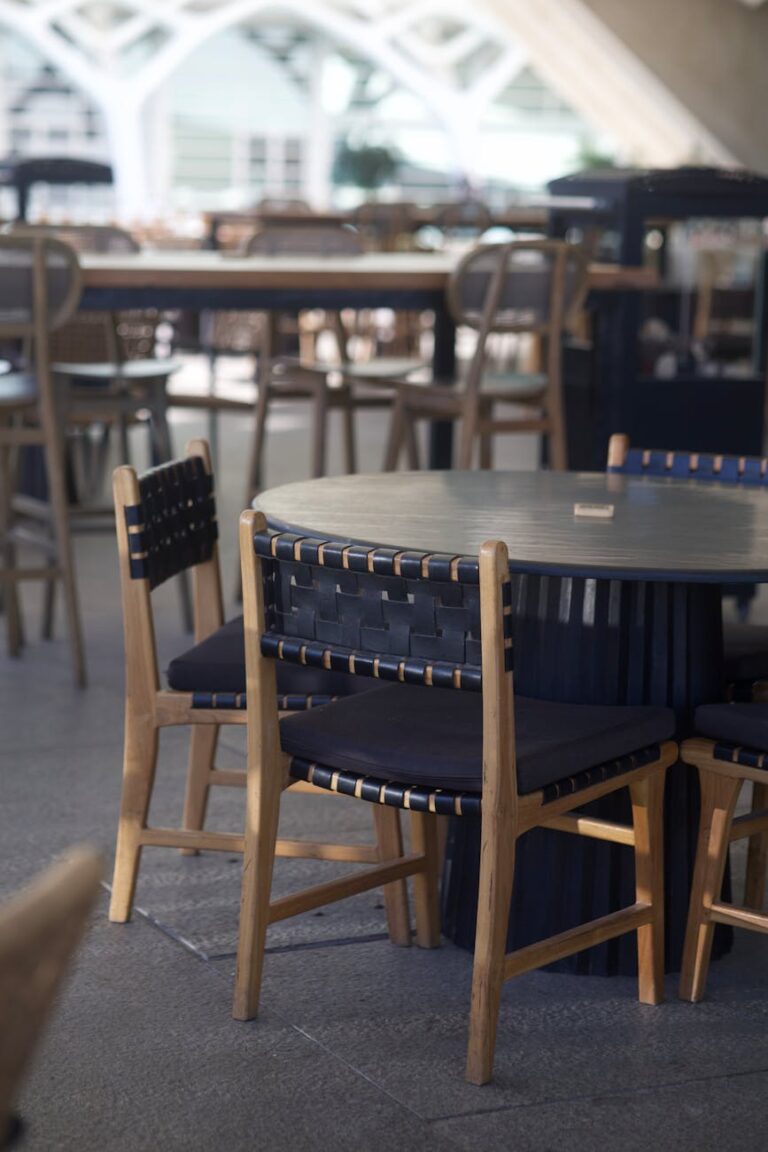
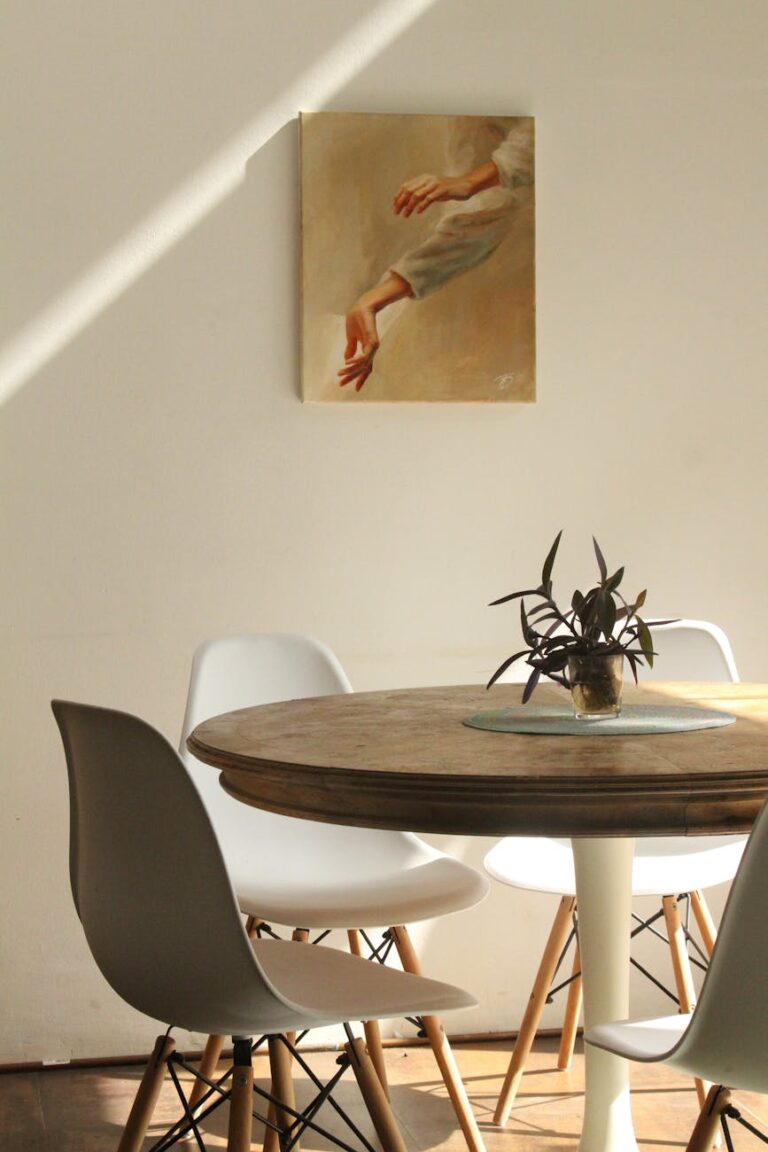
- Round Tables: Perfect for smaller spaces, round tables create a cozy, intimate atmosphere and encourage conversation as everyone is equidistant. They are also great for awkward-shaped rooms as they soften hard edges.
- Square Tables: Ideal for square rooms or smaller dining areas, square tables offer a modern, balanced look. They work well for small groups but can be expanded with leaves for larger gatherings.
- Oval Tables: A graceful alternative to rectangular tables, oval tables offer the capacity of a rectangle but with the softened edges of a round table, making them feel less imposing in a space.
Consider your everyday needs versus your entertaining frequency. Many dining room tables come with extendable leaves, offering flexibility to expand for guests and shrink for daily use.
Styles and Materials: Crafting Your Aesthetic
The material and style of your dining room table and coordinating dining room sets are pivotal in establishing your room’s aesthetic.
Modern and Contemporary Tables
For those drawn to sleek lines and minimalist appeal, modern dining tables often feature glass, polished metal, or light-colored wood finishes. Geometric shapes and an absence of ornate details define this style. A modern dining room table set might include chairs with clean silhouettes and perhaps a touch of upholstery for comfort. Our collection offers stylish dining tables that perfectly encapsulate this contemporary elegance.
Classic and Traditional Designs
If timeless sophistication is your goal, traditional dining room sets often boast rich, dark woods like mahogany or cherry, intricate carvings, and robust construction. Details such as pedestal bases, turned legs, and ornate aprons are common. These tables exude a sense of history and grandeur, creating a formal yet welcoming ambiance.
Rustic and Farmhouse Charm
Embracing natural beauty and warmth, rustic and farmhouse dining tables celebrate imperfections and organic textures. Reclaimed wood, distressed finishes, and sturdy, chunky designs are hallmarks of this style. Often paired with bench seating or simple, robust chairs, these sets invite a relaxed and communal dining experience.
Investing in Quality Dining Room Tables
Beyond aesthetics, the quality and durability of your dining room table are paramount. Look for solid construction, durable finishes, and sturdy joinery. A well-crafted table is an investment that will withstand years of meals, celebrations, and daily life, becoming a cherished part of your home. We pride ourselves on offering the best dining room sets and stylish dining tables that bring comfort and elegance to every meal, ensuring your investment is one you’ll love for years to come.
Illuminating Your Gatherings: Dining Room Light Fixtures and Lighting Ideas
Lighting is perhaps the most transformative element in any room, and the dining room is no exception. The right dining room light fixtures can elevate the ambiance, highlight architectural features, and, most importantly, create a warm and inviting atmosphere for dining. It’s not just about brightness; it’s about crafting a mood.
The Art of Layered Lighting
Effective dining room lighting relies on a layered approach, combining different types of light to achieve depth, flexibility, and visual interest.
Ambient Lighting: Chandeliers and Pendants (Dining Room Lighting)
The primary source of illumination, ambient lighting provides overall brightness. In the dining room, this typically comes from a statement piece directly above the table.
- Chandeliers: A classic choice, chandeliers instantly add grandeur and sophistication. From crystal cascades to rustic iron designs, there’s a chandelier to match every decor style. They serve as a focal point, drawing the eye and making a powerful design statement.
- Pendant Lights: For a more modern or minimalist aesthetic, multiple pendant lights can be hung in a row above a long table, or a single oversized pendant can grace a smaller, round table. They offer a more focused downlight while still providing ample ambient glow.
- Proper Placement: The bottom of your chandelier or pendant should ideally hang 30-36 inches above the tabletop to avoid obstructing views or creating glare. This ensures ample illumination without hindering conversation.
Exploring beautiful dining room light fixtures and modern dining room lighting ideas can brighten your space while creating a warm atmosphere, perfectly aligning with our commitment to elegant design.
Task Lighting: Sconces and Recessed Lights
While the main fixture provides ambient light, task lighting isn’t usually the primary focus in a dining room but can complement it.
- Wall Sconces: Placed symmetrically on either side of a buffet or artwork, sconces add a decorative touch and provide a soft, secondary layer of light, contributing to the room’s overall glow without being harsh.
- Recessed Lighting: Integrated into the ceiling, recessed lights offer subtle illumination without visual clutter. They can be strategically placed to wash walls with light or provide additional ambient light when the main fixture is dimmed.
Accent Lighting: Highlighting Decor
Accent lighting is used to draw attention to specific features, adding visual interest and depth.
- Picture Lights: Specifically designed to illuminate artwork or wall decor, these lights can highlight your dining room wall decor, making it pop.
- Cabinet Lighting: If you have a dining room cabinet with glass fronts, internal lighting can showcase your dinnerware, glassware, or decorative items, adding a sophisticated glow.
Choosing the Right Dining Room Light Fixtures
When selecting your dining room light fixtures, consider:
- Size and Scale: The fixture should be proportionate to your table and room. A common rule of thumb for chandeliers is that its diameter should be half to two-thirds the width of your dining table.
- Style Cohesion: Ensure the fixture complements the overall decor of your dining room, whether it’s a rustic farmhouse chandelier or a sleek, contemporary pendant.
- Dimmability: A dimmer switch is essential for a dining room. It allows you to adjust the light intensity to suit different moods and occasions, from bright for daily meals to soft and romantic for special dinners.
Modern Dining Room Lighting Trends
Modern dining room lighting embraces innovative designs and smart technology. Think minimalist linear pendants, sculptural fixtures, and integrated LED lighting that offers both energy efficiency and unique design possibilities. Matte black and brass finishes remain popular, adding a contemporary edge to any space.
Underfoot Elegance: Selecting the Ideal Dining Room Rug
A dining room rug serves multiple purposes: it grounds the space, defines the dining area, adds warmth and texture, and injects a vital splash of color or pattern. It’s an essential element for completing the look and enhancing comfort underfoot.
Size Matters: Getting the Proportions Right
The most common mistake when choosing a dining room rug is selecting one that’s too small. The ideal rug should extend at least 24-36 inches beyond the edges of your dining table on all sides. This ensures that chairs remain on the rug even when pulled out, preventing them from catching on the rug’s edge and maintaining a cohesive look.
- Rectangular Tables: Pair with a rectangular rug.
- Round Tables: Pair with a round or square rug, depending on the desired effect.
- Square Tables: Pair with a square or round rug.
Measure your table and then add at least 48-72 inches to both the length and width to get your minimum rug dimensions.
Materials and Textures: Comfort and Durability
Given the potential for spills and heavy foot traffic, the material of your dining room rug is crucial for durability and easy maintenance.
- Wool: A popular choice for its luxurious feel, natural durability, and resistance to staining. Wool rugs are excellent for absorbing sound and adding warmth.
- Synthetic Fibers (e.g., Polypropylene, Nylon): Highly durable, stain-resistant, and often more affordable. These are excellent choices for busy households with children or pets.
- Jute/Sisal: Natural fibers that offer a rustic, textured look. They are very durable but can be rough underfoot and might be harder to clean.
- Low Pile vs. High Pile: A low-pile rug is generally preferred for dining rooms as it’s easier to clean, prevents chairs from snagging, and allows for smoother movement. High-pile or shag rugs can make it difficult to move chairs and trap food particles.
Add texture and style with a perfect dining room rug—or choose from a wide range of dining room rugs to complete the look with both beauty and practicality.
Color and Pattern: Defining Your Style (Dining Room Rugs)
The rug is an opportunity to introduce color and pattern, complementing or contrasting with your existing decor.
- Neutral Tones: Beige, grey, or cream rugs provide a versatile backdrop, allowing your dining room sets, wall decor, and lighting to shine. They create a serene and sophisticated atmosphere.
- Bold Colors: A vibrant rug can serve as an anchor and a focal point, injecting personality and energy into the room.
- Patterns: Geometric, floral, or abstract patterns can add visual interest and help to hide minor stains. If your dining room is otherwise minimalist, a patterned rug can be a fantastic way to introduce character.
- Layering: For an extra touch of warmth and style, consider layering a smaller, decorative rug over a larger, neutral base rug.
Placement and Care Tips
- Rug Pad: Always use a rug pad underneath your dining room rug. It prevents slipping, protects your floors, and adds an extra layer of cushioning, extending the life of your rug.
- Regular Cleaning: Vacuum regularly to prevent dirt buildup. Address spills immediately by blotting them, not rubbing, to prevent them from setting.
- Rotation: Rotate your rug every few months to ensure even wear, especially if it’s in a high-traffic area or exposed to uneven sunlight.
Seating in Style: Discovering the Perfect Dining Room Chairs
Beyond mere functionality, dining room chairs are key players in both comfort and design. They need to complement your dining table and the overall aesthetic while providing a comfortable spot for long conversations and enjoyable meals.
Comfort Meets Design: Ergonomics and Aesthetics
When selecting dining room chairs, prioritize both how they look and how they feel.
- Ergonomics: Look for chairs with good back support and an appropriate seat height relative to your table. The ideal seat height is typically around 18-20 inches, allowing for about 10-12 inches between the top of the chair seat and the underside of the table.
- Padding and Upholstery: Upholstered seats or chairs with cushions enhance comfort, especially for extended periods of sitting. Consider fabrics that are durable and easy to clean, such as performance velvets, leathers, or stain-resistant synthetics.
- Armrests vs. Armless: Armless chairs offer more flexibility and can be tucked fully under the table, saving space. Armchairs provide a more formal, comfortable feel but require more space. A common approach is to use armchairs at the heads of the table and armless chairs along the sides.
We encourage you to mix comfort with design using high-quality dining room chairs, ensuring every guest feels at ease.
Matching or Mixing: Creating a Unique Look
The days of perfectly matching dining room table sets are evolving. While a cohesive set offers a classic, polished look, mixing and matching chairs can add personality and contemporary flair.
- Cohesive Sets: Choosing chairs that come as part of a dining room table set ensures a unified and harmonious aesthetic. This is a safe and elegant choice for a timeless look.
- Mismatched Chairs: This trend involves pairing different styles, colors, or materials of chairs around a single table. To make it work, ensure there’s a unifying element, such as a consistent height, a shared color palette, or a similar design period. For example, modern chairs with a rustic table, or upholstered chairs mixed with wooden ones.
- Bench Seating: A bench can add a casual, communal feel and is practical for fitting more people in smaller spaces. Pair it with individual chairs on the opposite side or ends.
Materials and Upholstery Options
- Wood: Classic, durable, and versatile, wood chairs can range from sleek modern designs to traditional carved pieces.
- Metal: Adds an industrial or contemporary edge. Often lightweight and durable.
- Upholstered: Offers the highest level of comfort and an opportunity to introduce color, pattern, and texture.
- Rattan/Wicker: Brings a natural, breezy, and often bohemian feel to the dining room.
Durability and Maintenance
When selecting chairs, consider the quality of construction and the ease of maintenance for the chosen materials. Solid wood construction, sturdy metal frames, and durable upholstery fabrics will ensure your chairs stand the test of time and daily use.
Organized Beauty: The Versatility of a Dining Room Cabinet
A dining room cabinet is much more than just a piece of furniture; it’s a multi-functional marvel that blends storage, display, and serving capabilities. It helps keep your space organized while adding significant aesthetic value.
Functionality First: Storage Solutions
The primary role of a dining room cabinet is to provide essential storage, helping to declutter your dining area and keep entertaining essentials close at hand.
- Dishes and Glassware: Store seldom-used china, crystal, and serving platters safely.
- Linens: Drawers are perfect for table linens, placemats, and napkins.
- Cutlery: Dedicated drawers or inserts can keep silverware organized and protected.
- Bar Essentials: Many cabinets are designed to double as bar carts, storing bottles, glasses, and bar tools.
Keep your space organized and functional with a sleek dining room cabinet, transforming chaos into curated calm.
Styles and Finishes: Seamless Integration
Just like your dining room table, the cabinet should harmonize with your room’s overall decor.
- Buffets/Sideboards: Lower and longer, these are excellent for serving food during gatherings and provide ample surface area for decorative elements.
- Hutches/Display Cabinets: Taller units with glass doors allow you to showcase beautiful dinnerware, collectibles, or decorative objects, adding visual height and interest.
- Bars/Console Tables: More compact options that can serve similar functions in smaller spaces or as supplementary storage.
Choose a finish that complements your dining room sets – a distressed wood for a rustic feel, a lacquered finish for modern elegance, or a painted piece for a pop of color.
Beyond Storage: Display and Serving
A dining room cabinet also acts as a crucial display surface. Top it with a curated collection of decorative items, fresh flowers, or a pair of elegant lamps. During meals, it transforms into a convenient serving station, keeping the main dining table clear and allowing guests to help themselves. It’s an indispensable piece that marries practicality with sophisticated design.
Personalizing Your Space: Creative Dining Room Wall Decor Ideas
Once the major furniture pieces are in place, dining room wall decor is what truly brings your personality into the space, creating visual interest and completing the overall aesthetic. It’s an opportunity to tell your story and infuse the room with character.
Gallery Walls and Art Collections
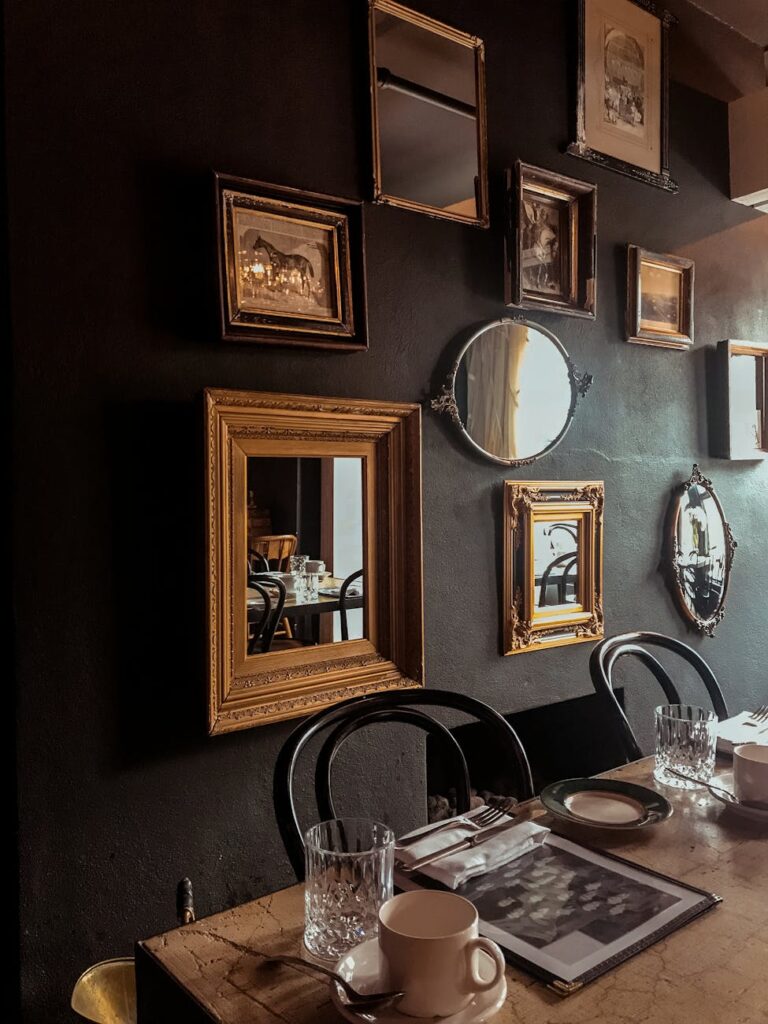
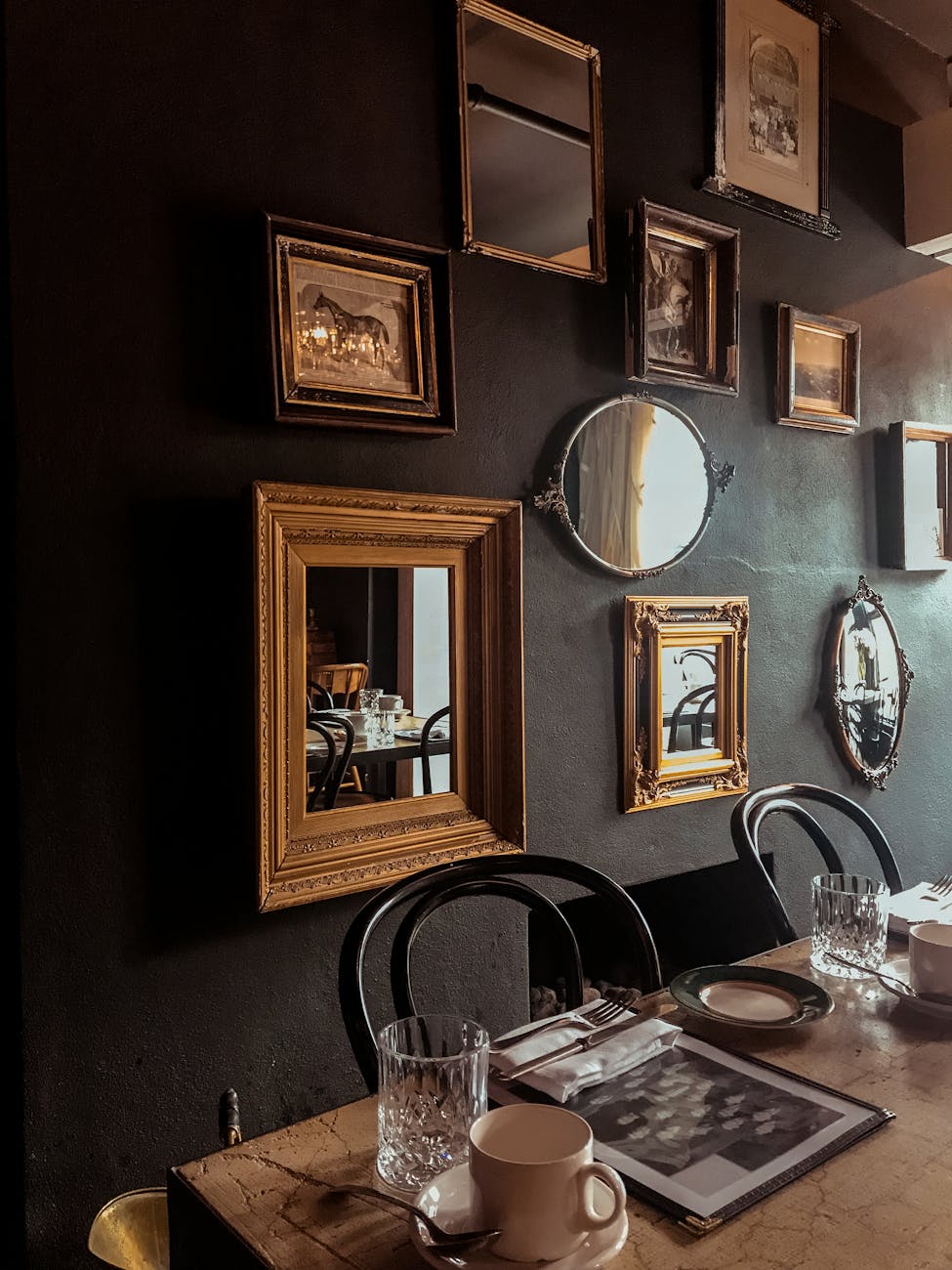
A gallery wall is a fantastic way to personalize your dining room. Mix and match different frame sizes, art styles, and even personal photographs to create a dynamic and engaging display. Consider:
- Thematic Cohesion: Group art by color, subject, or frame style for a unified look.
- Visual Balance: Arrange pieces symmetrically for a formal feel or more organically for a relaxed, eclectic vibe.
- Above a Buffet: This is an ideal spot for a gallery wall, anchoring the dining room cabinet and drawing the eye.
- Large-Scale Art: A single, oversized piece of art or a striking triptych can make a powerful statement on a prominent wall, especially behind the dining room table.
Complete your space using creative dining room wall decor ideas that reflect your unique taste.
Mirrors: Enhancing Light and Space
Mirrors are not just for checking your reflection; they are powerful design tools in the dining room.
- Expand Space: A large mirror can visually double the size of a smaller dining room, reflecting light and making the space feel more open and airy.
- Amplify Light: Strategically placed opposite a window or a dining room light fixture, a mirror can bounce light around the room, making it brighter and more inviting.
- Decorative Element: Choose a mirror with an interesting frame (ornate gold, rustic wood, sleek metal) to serve as a piece of art itself.
Wall Coverings: Wallpaper and Paneling
Beyond paint, wall coverings offer an immediate and dramatic transformation.
- Wallpaper: From subtle textures to bold patterns, wallpaper can add depth, sophistication, or whimsy. Consider an accent wall to introduce a vibrant pattern without overwhelming the space.
- Paneling/Wainscoting: Classic paneling or wainscoting adds architectural detail and a touch of traditional elegance. It can also protect walls from chair scuffs.
- Mural: A custom mural can create an immersive experience, transporting guests to another place or showcasing a breathtaking landscape.
Shelving and Decorative Elements
- Floating Shelves: Display small decorative objects, cookbooks, or small plants. Keep styling minimal to avoid clutter.
- Plates and Platters: Decorative plates can be hung on walls, offering a charming, traditional touch.
- Greenery: Incorporate plants, either in hanging planters, on shelves, or in floor-standing pots, to bring life and freshness into the room.
The Cohesive Ensemble: Crafting a Harmonious Dining Room Table Set
Bringing all the elements together to form a harmonious dining room table set is where your vision truly comes to life. It’s about creating a unified aesthetic where every piece, from the grand table to the smallest decor item, speaks to a single, elegant narrative.
From Vision to Reality: Integrating All Elements
The secret to a successful dining room lies in thoughtful integration.
- Start with the Foundation: Your chosen dining room sets and dining tables dictate the initial style and scale.
- Layer with Lighting: Select dining room light fixtures that complement the table’s style and provide the right ambiance. Remember to consider modern dining room lighting trends.
- Ground the Space: Introduce a dining room rug that harmonizes with your color palette and ensures chairs remain on its surface.
- Seat with Style: Choose dining room chairs that offer comfort, durability, and a visual connection to the table.
- Add Function and Flair: Integrate a dining room cabinet for storage and display, ensuring its style aligns with the rest of the furniture.
- Personalize with Decor: Curate dining room wall decor that adds personality and depth without overwhelming the space.
For a cohesive interior, pair everything with a matching dining room table set or thoughtfully curated individual pieces to create a truly unique and inviting space.
Curating Your Unique Dining Experience
Think about the feeling you want to evoke. Is it refined elegance, casual comfort, or bold modernism? Every choice, from the texture of your dining room rugs to the glow of your dining room light fixtures, contributes to this experience.
Consider small details:
- Table Linens: High-quality tablecloths, runners, and napkins can instantly elevate a meal.
- Centerpieces: A beautiful floral arrangement, a sculptural piece, or a collection of candles can enhance the table’s appeal.
- Dinnerware: Your choice of plates, bowls, and glassware should complement your dining room’s style.
By carefully selecting and integrating each component, you create a complete dining room table set that is not only functional but also a true reflection of your taste and lifestyle.
Styling Your Dining Room: Modern, Classic, and Minimalist Approaches
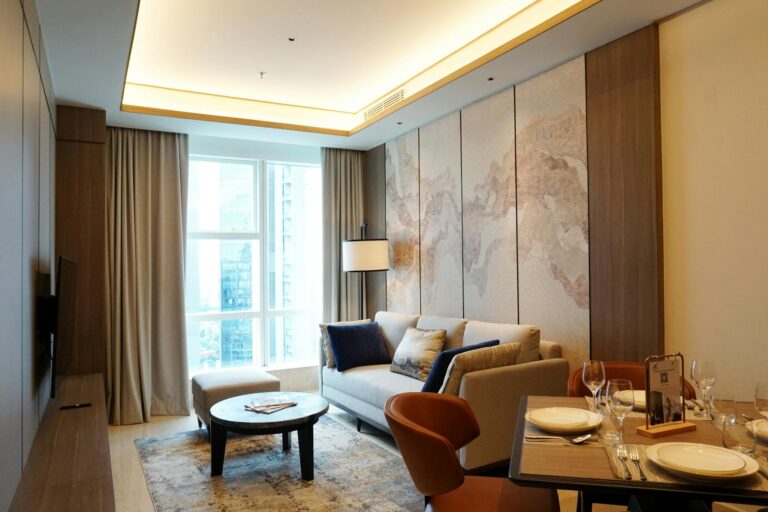
Your personal style is the compass that guides all design decisions. Whether you gravitate towards the sleekness of modern design, the timeless appeal of classic elegance, or the serene simplicity of minimalism, these approaches provide a framework for creating a dining room you’ll love.
Modern Elegance
Modern dining rooms emphasize clean lines, geometric shapes, and a focus on functionality and innovative materials.
- Furniture: Sleek dining tables in glass, metal, or light wood. Dining room chairs with minimalist profiles, often in leather or contemporary fabrics. A dining room cabinet might feature high-gloss finishes or subtle integrated handles.
- Lighting: Sculptural dining room light fixtures like linear pendants, abstract chandeliers, or recessed lighting.
- Rugs: Geometric patterns or solid, low-pile dining room rugs in neutral tones or a single bold color.
- Decor: Minimalist dining room wall decor such as large abstract art, clean mirrors, or open shelving with carefully curated objects.
Classic Timelessness
Classic dining rooms are characterized by traditional forms, rich materials, and an air of enduring sophistication.
- Furniture: Grand dining room sets in dark, polished woods with ornate details. Upholstered dining room chairs with rich fabrics like velvet or brocade. A traditional dining room cabinet (hutch or sideboard) with carved accents.
- Lighting: Elegant crystal chandeliers or brass dining room light fixtures.
- Rugs: Traditional Persian or Oriental dining room rugs with intricate patterns and deep, warm colors.
- Decor: Framed classic artworks, ornate mirrors, and perhaps decorative plate displays as dining room wall decor.
Minimalist Serenity
Minimalist dining rooms prioritize simplicity, functionality, and an uncluttered aesthetic. Every item serves a purpose and contributes to a calm, spacious feel.
- Furniture: Simple, unadorned dining tables often in solid wood or light finishes. Dining room chairs with clean, unembellished forms. A highly functional dining room cabinet with seamless surfaces and concealed storage.
- Lighting: Discreet dining room light fixtures like simple pendants or integrated LED strips that provide ample light without being visually intrusive.
- Rugs: Solid-colored, textural dining room rugs in neutral tones (off-white, grey, beige) or natural fibers.
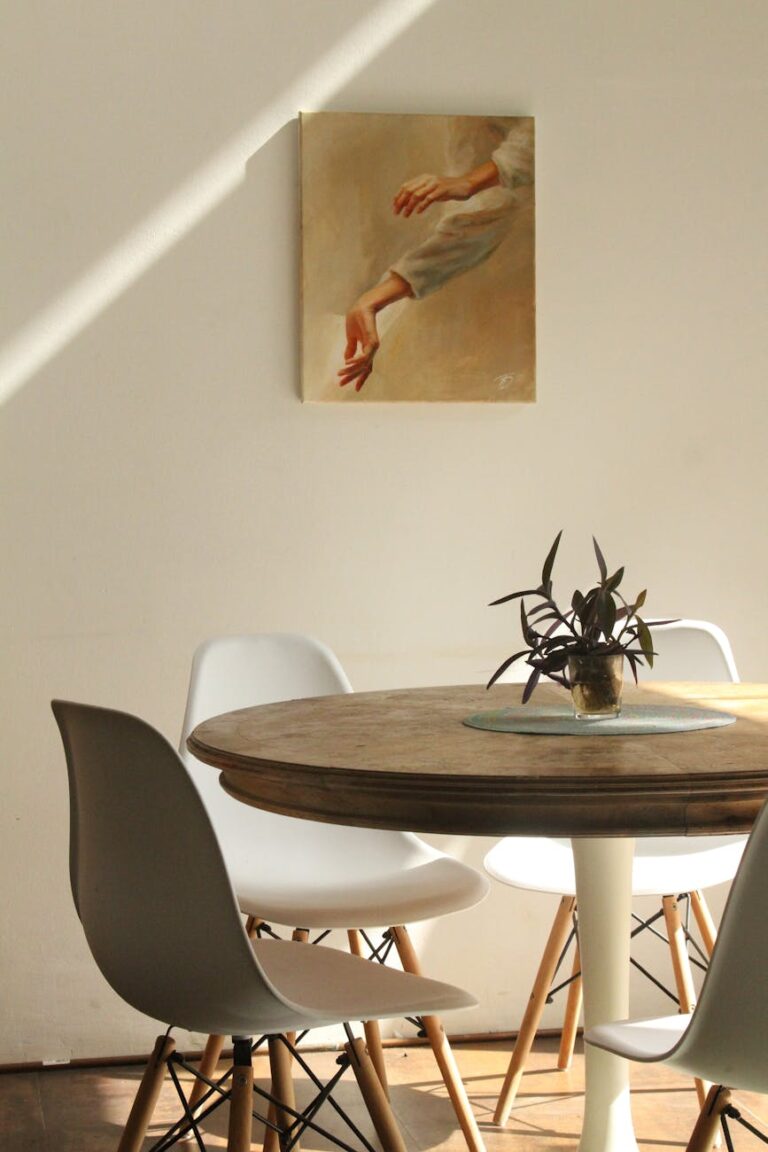
- Decor: Very sparse dining room wall decor, perhaps a single piece of impactful art or a large, unframed mirror. Emphasis on natural light and negative space.
Whether your style is modern, classic, or minimalist, these inspirations help you build a dining room you’ll love—a testament to your personal taste and a hub for cherished gatherings.
FAQs about Designing Your Dream Dining Room
How do I choose the right size dining room rug?
The general rule is that your dining room rug should extend at least 24-36 inches beyond all sides of your dining table. This ensures that chairs remain on the rug even when pulled out, preventing them from catching on the rug’s edge and maintaining a cohesive look. Measure your table and add 48-72 inches to both the length and width for your ideal rug size.
What’s the best lighting for a dining room?
The best dining room lighting utilizes a layered approach. Start with a central ambient fixture, like a chandelier or pendant, positioned 30-36 inches above the table. Supplement this with dimmer-controlled wall sconces or recessed lighting for secondary ambient light. Accent lighting can be used to highlight dining room wall decor or a dining room cabinet. Dimmers are crucial for adjusting the mood.
Should my dining chairs match my dining table?
Not necessarily! While a matching dining room table set offers a classic, cohesive look, mixing and matching dining room chairs can add personality and contemporary style. If mixing, ensure there’s a unifying element like consistent seat height, a shared color palette, or a similar design aesthetic to prevent a disjointed appearance.
How can I make my small dining room feel larger?
For small dining rooms, opt for a round or oval dining table to maximize space and flow. Use light colors on walls and furniture, incorporate reflective surfaces like mirrors (as dining room wall decor), and choose dining room light fixtures that are proportionate to the space. Keep dining room cabinet choices sleek and functional, and avoid overly bulky dining room sets. A rug with a subtle pattern or a light, solid color can also help.
What’s the ideal height for a dining room light fixture above the table?
For most standard 8-foot ceilings, the bottom of your dining room light fixture (chandelier or pendant) should hang approximately 30-36 inches above the tabletop. For higher ceilings, you can add 3 inches per foot of additional ceiling height. The goal is to illuminate the table effectively without obstructing views or conversation, or causing glare.
Conclusion: Your Dining Room, Reimagined
Designing a dining room is a journey of creativity and thoughtful consideration. It’s about more than just filling a space with furniture; it’s about curating an environment that fosters connection, celebrates nourishment, and reflects your unique identity. From the anchor of your dining room sets and the functional beauty of your dining tables, to the captivating glow of dining room light fixtures, the comfort of dining room rugs, and the personalized touches of dining room wall decor, every element plays a vital role.
By carefully selecting and integrating each component—from selecting the perfect dining room chairs to integrating a versatile dining room cabinet—you’re not just decorating; you’re building a space where life’s most meaningful moments unfold. We hope this guide has inspired you to upgrade your space with the best dining room sets and stylish dining tables, to explore beautiful dining room light fixtures and modern dining room lighting ideas, and to complete your look with the perfect dining room rug, high-quality dining room chairs, and sleek dining room cabinets.
Whether your style is modern, classic, or minimalist, these inspirations provide the roadmap to a dining room you’ll love for years to come—a true culinary sanctuary where comfort, elegance, and unforgettable meals converge. Transform your dining space into the heart of your home, a place where every gathering is cherished and every meal is an experience to savor.