Smart Closet Ideas Boost Home Efficiency
Maximize Every Inch: Your Comprehensive Guide to Closet Organization Solutions
Estimated reading time: Approx. 17-minute read
Key Takeaways
- Comprehensive Solutions: Effective closet organization involves a mix of versatile tools like drawers, wire racks, and specialized systems for unique spaces like corners, coat closets, and baby rooms.
- Beyond Tidiness: Organizing your home, particularly closets, significantly reduces stress, saves time, maximizes space, preserves items, and can even lead to financial savings.
- Tailored Approach: The best organization system is one tailored to your specific needs, budget, and space, whether it’s a custom walk-in dream closet or budget-friendly modular units from retailers like Menards.
- Ongoing Commitment: Installation is just the start; maintaining an organized space requires regular decluttering, adherence to a “home for everything” rule, and seasonal rotations.
- Transformative Impact: Thoughtful closet organization doesn’t just create a clutter-free home; it fosters a more peaceful, efficient, and enjoyable lifestyle, enhancing the overall quality of life.
Table of Contents
- Maximize Every Inch: Your Comprehensive Guide to Closet Organization Solutions
- The Foundation of a Clutter-Free Home: Why Organize Your Closet?
- Core Closet Organizers: Building Blocks for Any Space
- Specialized Solutions for Every Nook and Cranny
- Budget-Friendly Options: The Menards Closet Organizer and Beyond
- Choosing the Right Closet Organizer for Your Needs
- Installation and Maintenance Tips for Lasting Organization
- Frequently Asked Questions (FAQs) About Closet Organizers
- Conclusion: Transform Your Home, Transform Your Life
In the relentless rhythm of modern life, our homes often bear the brunt of our busy schedules, gradually accumulating an unwelcome guest: clutter. The consequence? Stress, wasted time searching for misplaced items, and a persistent feeling of disarray that undermines the tranquility of our living spaces. But imagine a home where everything has its place, where functionality meets aesthetics, and where every closet, no matter its size, becomes a testament to thoughtful design and efficiency.
This isn’t just a pipe dream; it’s an attainable reality with the right closet organization solutions. From the bustling entryway to the serene bedroom, and even the often-overlooked bathroom, every space holds the potential for transformation. This comprehensive guide will walk you through the myriad options available, empowering you to create beautiful, organized spaces where you and your family can truly thrive. We’ll explore innovative ways to maximize every inch, offering practical advice on everything from versatile drawer systems and robust wire racks to specialized solutions for handbags, baby essentials, and challenging corners. Whether you’re dreaming of a luxurious walk-in closet organizer or seeking budget-friendly enhancements, prepare to unlock the secrets to a perpetually clean, functional, and clutter-free home.
The Foundation of a Clutter-Free Home: Why Organize Your Closet?
Before diving into the specifics of various organizing systems, it’s crucial to understand the profound impact that effective closet organization has on our daily lives. It’s more than just tidiness; it’s about reclaiming peace of mind, saving precious time, and creating a more functional environment.
Beyond Aesthetics: The Tangible Benefits of Organization
- Stress Reduction: A cluttered environment is a common source of stress and anxiety. When your surroundings are organized, your mind feels clearer and calmer. Knowing where everything is reduces daily frustrations and mental load.
- Time Savings: Imagine the minutes—or even hours—you spend each week searching for a matching sock, a specific purse, or that perfect top. An organized closet eliminates this wasted time, streamlining your morning routine and making daily tasks more efficient.
- Space Maximization: Proper organization techniques allow you to utilize every available inch of your closet space, effectively increasing your storage capacity without expanding your home’s footprint. This is especially vital in smaller living areas.
- Item Preservation: When clothes, accessories, and other items are stored correctly, they last longer. Drawers protect delicate fabrics, proper hanging prevents wrinkles, and dedicated storage solutions keep items from getting crushed or damaged.
- Financial Savings: By knowing exactly what you own, you’re less likely to buy duplicates. Moreover, preserving your belongings means you won’t need to replace them as frequently, leading to long-term savings.
- Improved Air Quality: Clutter can trap dust and allergens. An organized, well-ventilated closet helps maintain better air quality, especially important for those with allergies or asthma.
- Enhanced Functionality: An organized closet isn’t just about looking good; it’s about working better. When systems are in place, the space supports your lifestyle rather than hindering it.
The Hidden Costs of Disorganization
Conversely, ignoring the call for organization can lead to a host of hidden costs:
- Mental Fatigue: The constant visual noise of clutter can be mentally exhausting.
- Financial Waste: Impulse purchases, forgotten items leading to re-buys, and damaged goods all add up.
- Lost Opportunities: Missing an important document or outfit can impact your professional or social life.
- Decreased Home Value: A perpetually messy home can feel uninviting and even detract from its perceived value.
By investing time and effort into organizing your closets, you’re not just tidying up; you’re investing in a more peaceful, efficient, and enjoyable lifestyle.
Core Closet Organizers: Building Blocks for Any Space
Regardless of your closet’s size or shape, certain types of organizers form the foundational elements of any effective storage system. These versatile solutions are designed to address common storage challenges and can be combined to create a truly bespoke setup.
Closet Organizer with Drawers: The Power of Concealed Storage
Drawers are the unsung heroes of closet organization, offering a sleek and efficient way to store a multitude of items while maintaining a clean, minimalist aesthetic. Their ability to conceal clutter makes them indispensable.
- Benefits:
- Conceals Clutter: The primary advantage of drawers is their ability to hide items from view, instantly making a space look tidier and more serene. This is especially useful for items that aren’t aesthetically pleasing when openly displayed.
- Protects Items: Drawers shield contents from dust, light, and accidental damage, making them ideal for delicate clothing, lingerie, accessories, and important documents.
- Versatility: Available in various sizes and materials, drawers can be integrated into shelving units, custom closet systems, or even stand-alone dressers within a closet. They can store everything from folded garments to jewelry, socks, and personal care items.
- Categorization: Drawers inherently promote categorization, allowing you to dedicate specific drawers to different types of items, making them easy to find and put away.
- Stackable Solutions: Many modular drawer systems are designed to be stacked, offering flexible vertical storage.
- Use Cases:
- Clothing: Perfect for folded t-shirts, sweaters, jeans, activewear, and pajamas.
- Accessories: Scarves, belts, ties, and even smaller handbags can be neatly folded or rolled and stored.
- Intimates: Lingerie, socks, and hosiery are kept clean, private, and organized.
- Linens: In a linen closet, drawers can hold pillowcases, hand towels, or even smaller bedsheets.
- Children’s Clothes: Smaller drawers are perfect for tiny garments, onesies, and bibs in a baby closet.
- Considerations: Choose drawers with smooth glides for easy access and consider transparent fronts or labels if you need to quickly identify contents. Material choices range from sturdy wood to durable plastic, impacting both aesthetics and price point.
Closet Organizer Wire Racks: Versatility and Visibility
Wire racks are a cornerstone of many closet systems, lauded for their affordability, adaptability, and the excellent visibility they offer. They are particularly popular for their airy design and ease of installation.
- Benefits:
- Airflow: The open design of wire racks allows for excellent air circulation, which is crucial for preventing mustiness and keeping clothes fresh, especially in humid environments.
- Visibility: You can see all your stored items at a glance, making it easier to locate what you need without rummaging.
- Affordability: Generally more cost-effective than custom wooden systems, making them an excellent choice for budget-conscious homeowners.
- Adjustability: Many wire rack systems are modular and can be easily adjusted, reconfigured, or expanded as your needs change. This flexibility is a huge advantage.
- Durability: Made from sturdy coated wire, these racks are strong enough to hold considerable weight and are resistant to chipping and rust.
- Use Cases:
- Shoes: Wire shelving is ideal for shoe storage, allowing footwear to breathe and preventing odors.
- Folded Clothes: Sweaters, jeans, and casual wear can be neatly stacked. Consider shelf dividers to keep stacks tidy.
- Storage Bins: Wire racks are perfect for holding various bins and baskets, which can then be used to store smaller items, accessories, or seasonal goods.
- Linens & Towels: Excellent for airing out towels and bed linens.
- Garage & Utility Closets: Their robustness makes them suitable for heavier items and tools in utility spaces.
- Considerations: While great for visibility, very small or delicate items might slip through wider gaps; consider shelf liners or bins for these. For a more polished look, some prefer wood or laminate shelves, but wire racks excel in pure functionality and budget.
Walk-In Closet Organizer Systems: Designing Your Dream Wardrobe
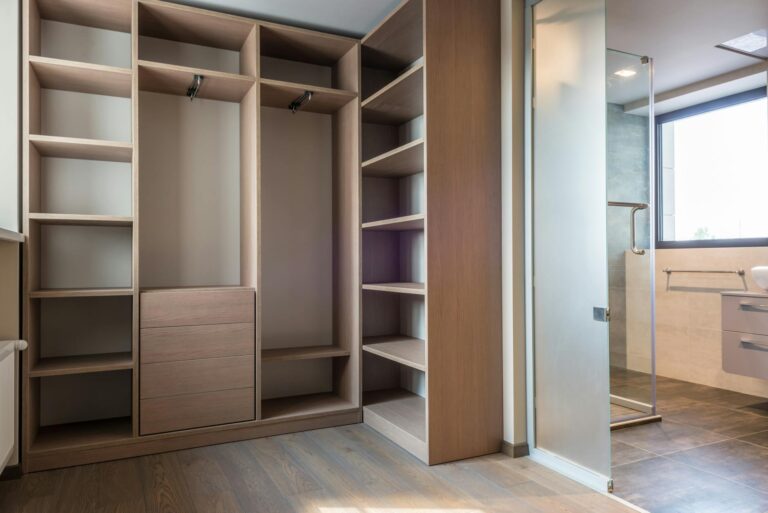
The walk-in closet is often seen as the pinnacle of home organization, offering ample space for a truly customized storage experience. A well-designed walk-in closet organizer can transform this space into a highly functional and luxurious dressing room.
- Benefits:
- Maximizing Large Spaces: Walk-ins offer the canvas for comprehensive organization, allowing for dedicated zones for different types of clothing and accessories.
- Customization: These systems are highly customizable, allowing you to choose the exact mix of hanging rods, shelving, drawers, and specialized storage elements to suit your wardrobe.
- Dedicated Dressing Area: Many walk-ins can incorporate seating, mirrors, and even islands, creating a complete personal dressing room experience.
- Increased Home Value: A thoughtfully designed walk-in closet is a desirable feature that can enhance your home’s appeal and resale value.
- Comprehensive Storage: Can accommodate entire wardrobes, including out-of-season clothing, luggage, and bulkier items that don’t fit in standard closets.
- Key Components of a Walk-In Closet Organizer:
- Hanging Rods: Essential for dresses, suits, shirts, and pants. Incorporate both single and double hanging rods to maximize vertical space.
- Adjustable Shelving: Crucial for folded clothes, shoes, bags, and storage bins. Adjustability ensures flexibility as your wardrobe evolves.
- Built-in Drawers: As discussed, drawers are invaluable for concealing intimates, accessories, and delicate items.
- Closet Islands: For larger walk-ins, an island can provide additional drawer storage, a countertop for folding clothes, and even a display area.
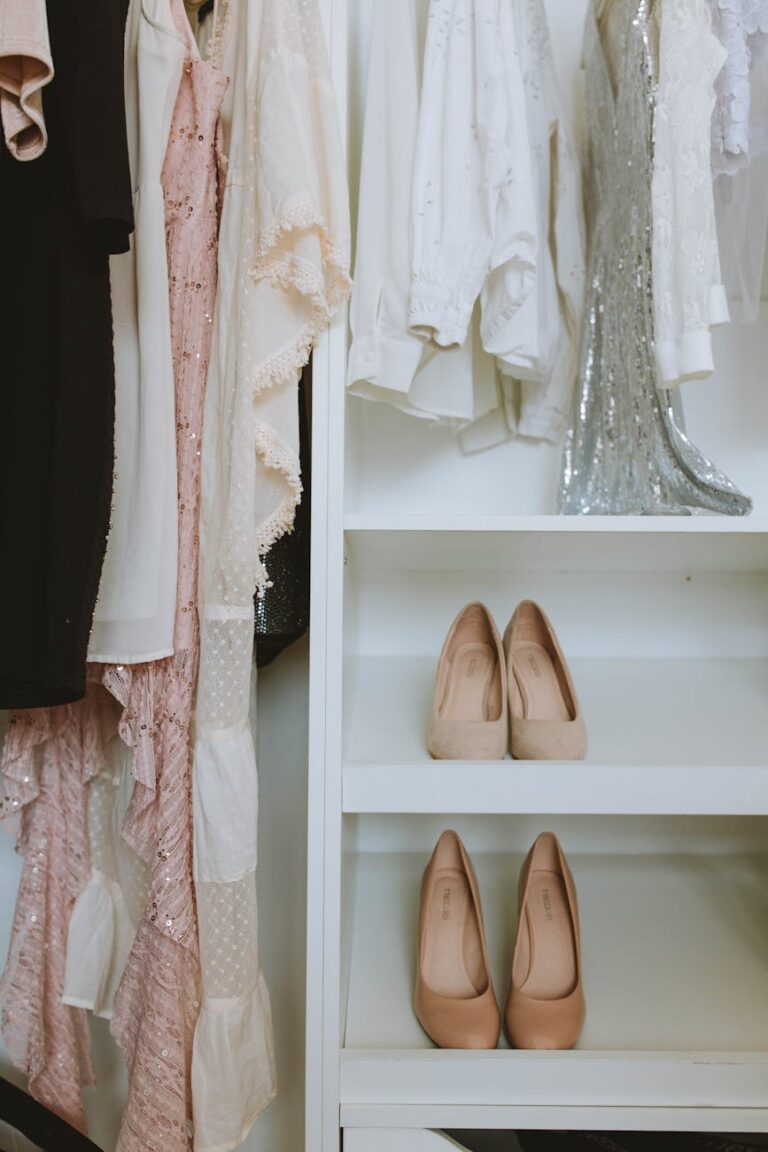
- Shoe Racks/Shelves: Dedicated shoe storage keeps footwear organized and preserved.
- Accessory Organizers: Pull-out racks for belts, ties, and scarves, or velvet-lined drawers for jewelry.
- Lighting: Good lighting is paramount in a walk-in, both for functionality and to showcase your wardrobe.
- Designing Your System:
- Assess Your Wardrobe: Take inventory of everything you own. Categorize items by type, length, and frequency of use.
- Define Zones: Create dedicated areas for different categories (e.g., long hang, short hang, folded items, shoes, accessories).
- Consider Flow: Plan the layout to ensure easy movement and access to all areas.
- Material & Finish: Choose materials that complement your home’s aesthetic, from luxurious custom wood cabinetry to more budget-friendly laminate or wire systems.
Building a walk-in closet organizer is an investment that pays dividends in daily convenience and long-term satisfaction.
Specialized Solutions for Every Nook and Cranny
Beyond the core organizing components, specific challenges in different areas of your home call for specialized solutions. These targeted organizers help you conquer tricky spaces and manage particular types of items with precision.
Corner Closet Organizer: Unlocking Hidden Potential
Corner closets are notorious for being difficult to organize, often becoming black holes where items disappear. However, with the right corner closet organizer, these awkward spaces can be transformed into highly functional storage areas.
- The Problem: Deep, dark, and often L-shaped, corners make it hard to reach items at the back, leading to wasted space and forgotten belongings.
- Smart Solutions:
- Rotating Shelves (Lazy Susans): Ideal for smaller items or pantry-style corners, these allow you to spin shelves to bring items from the back to the front.
- Custom L-shaped Units: Designing or buying modular units that perfectly fit the L-shape can maximize continuous storage. These often feature hanging rods extending into the corner and shelves above.
- Pull-Out Systems: Corner drawers or shelving units that pull out entirely can make accessing deep corners effortless, though they can be more expensive.
- Angled Shelving: Installing shelves that are angled towards the center of the closet can make items easier to see and reach.
- Double Hanging in Shallow Corners: If the corner isn’t too deep, consider running a second hanging rod perpendicular to the main one to create more short-hang space.
- Utilize Bins and Totes: For very deep corners, use large, easily pullable bins or totes to store seasonal items. Label them clearly.
- Maximizing the Corner: Think about what you store least frequently in the deepest parts and most frequently at the accessible front. This strategic placement ensures the corner space is actively working for you, not against you.
Purse & Handbag Organization: Protecting Your Prized Possessions
For many, handbags are more than just accessories; they’re investments and expressions of personal style. Proper handbag organization closet systems are essential for maintaining their shape, protecting their materials, and making them easily accessible.
Purse Organizer for Closet: Dedicated Solutions
A dedicated purse organizer for closet use ensures your bags stay in pristine condition and are ready to grab-and-go.
- Types of Organizers:
- Hanging Organizers: These often feature clear pockets or cubbies and hang from a closet rod, perfect for clutches, smaller cross-body bags, and even some medium-sized purses. They save shelf space and offer visibility.
- Shelf Dividers: For larger bags stored on shelves, sturdy shelf dividers prevent bags from toppling over and help maintain their structure.
- Acrylic Dividers/Stands: Clear acrylic dividers create dedicated slots for individual bags on a shelf, making them feel like they’re on display in a boutique.
- Cubby Systems: Built-in cubbies or modular cubby units provide individual compartments for each bag, keeping them separate and protected.
- Over-the-Door Organizers: A good option for smaller, less frequently used bags, though heavy bags can warp the door.
- Tips for Storage:
- Stuff Bags: To help maintain their shape, stuff bags with acid-free tissue paper, old t-shirts, or inflatable inserts. Avoid using newspaper as the ink can transfer.
- Store Upright: Wherever possible, store bags upright rather than stacked or crushed.
- Dust Bags: Use the original dust bags (or purchase breathable cotton ones) to protect bags from dust and light.
- Rotate Bags: Regularly rotate your handbags to ensure they all get some air and use, and to prevent any single bag from deteriorating from constant compression.
Handbag Organization Closet & Organizers for Purses in the Closets: Stylish Storage
Integrating handbag storage into your overall closet design elevates both functionality and aesthetics.
- Display vs. Protection: Decide if you want to display your most beautiful bags or protect all of them discreetly. Open shelving with acrylic stands offers a display, while drawers or cubbies offer better protection.
- Shelf Placement: Store frequently used bags at eye level. Less-used or seasonal bags can go on higher shelves or in deeper storage.
- Custom Shelving: In a walk-in closet, consider installing adjustable shelves with varying heights to accommodate different bag sizes.
- Hooks for Totes: Heavy-duty hooks inside a closet door or on a wall can be used for larger tote bags, freeing up shelf space.
- Integrated Solutions: Many walk-in closet organizer systems offer specific modules for handbags, including angled shelves or pull-out trays designed to showcase and protect your collection.
Effective handbag organization not only keeps your accessories in perfect order but also extends their lifespan, ensuring your style investments continue to shine.
Baby Closet Organizer: Simplifying Little Ones’ Essentials
A baby’s closet, despite the tiny clothes, can quickly become overwhelmed with an array of essentials. A well-thought-out baby closet organizer is crucial for simplifying routines and keeping everything within easy reach.
- Challenges: Tiny clothes that easily get lost, a constant influx of new items, and the need for frequent access to diapers, wipes, and other necessities.
- Smart Solutions:
- Adjustable Hanging Rods: Install rods at a lower height for easy access to small clothes. Consider a double-rod system: one low for current clothes, one higher for future sizes or rarely used items.
- Small Drawers/Dividers: Small drawers are perfect for storing onesies, socks, bibs, and burp cloths. Use drawer dividers to keep these tiny items sorted and prevent them from becoming a jumbled mess.
- Labeled Bins and Baskets: These are invaluable for organizing diapers, wipes, creams, blankets, and toys. Clear labels make it easy for anyone (parents or caregivers) to find what they need.
- Open Shelving: Ideal for folded items like sweaters, receiving blankets, and larger toys.
- Over-the-Door Organizers: Great for storing small items like headbands, shoes, or even extra diapers.
- Clothing Dividers: Use closet rod dividers (newborn, 3-6 months, 6-9 months, etc.) to keep clothes organized by size, making it easy to pull out items as the baby grows and store clothes that are too big.
- Diaper Caddies: While not strictly for the closet, having a small caddy on a shelf or nearby keeps diaper-changing essentials portable and accessible.
- Tips for Baby Closets:
- Declutter Regularly: Babies grow quickly! Frequently go through clothes that are too small and donate or store them.
- Safety First: Ensure any shelves or drawers are securely anchored and out of reach of curious little hands if they contain small items.
- Keep it Simple: Don’t over-organize. Focus on functionality and ease of access during those sleepless nights.
A streamlined baby closet makes daily routines smoother, allowing you to focus on what truly matters: your little one.
Coat Closet Organization: Taming the Entryway Chaos
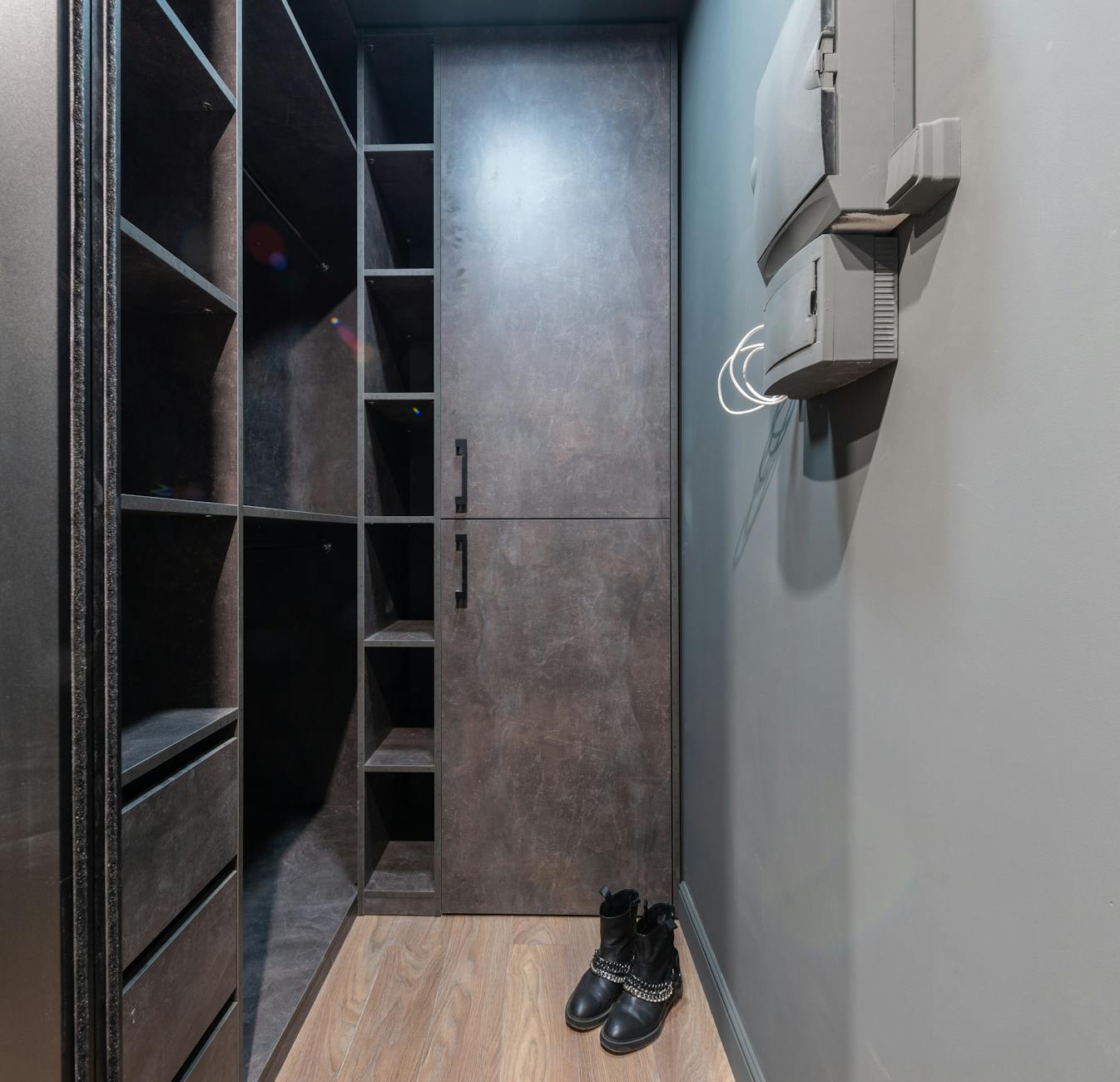
The coat closet, often the first impression of your home, can quickly devolve into a chaotic pile of jackets, shoes, and forgotten accessories. Effective coat closet organization is key to maintaining a tidy entryway and a functional space.
- Challenges: Bulky coats, multiple seasons of outerwear, shoes, hats, scarves, gloves, and often backpacks or sports equipment.
- Smart Solutions:
- Heavy-Duty Hanging Rod: Coats are heavy. Ensure your hanging rod is robust enough to support the weight of multiple winter jackets. Consider a double rod for shorter jackets and kids’ coats.
- Sturdy Hooks: Install hooks on the back of the closet door or on an unused wall space for frequently used items like keys, dog leashes, or light jackets. These are also great for guest coats.
- Shoe Racks/Shelves: A tiered shoe rack or dedicated shelves at the bottom of the closet keeps footwear off the floor and prevents tripping hazards. Mudroom-style cubbies for each family member can also work well.
- Upper Shelving for Seasonal/Bulky Items: Use the top shelf for storing off-season coats, bulky blankets, luggage, or seldom-used sports gear in labeled bins.
- Baskets for Accessories: Woven baskets or fabric bins on shelves are perfect for corralling hats, scarves, gloves, and umbrellas.
- Divided Drawers (Optional): If space allows, a shallow drawer could hold smaller items like spare keys, lint rollers, or shoe polish.
- Bench with Storage: If your entryway allows, a bench with built-in storage (cubbies or a lift-top) can serve as both seating and additional organization.
- Tips for a Functional Coat Closet:
- Seasonal Rotation: Store off-season coats elsewhere (e.g., in bedroom closets, under-bed storage) to free up space in the main coat closet.
- Regular Purge: Periodically go through coats and accessories. Donate items that are no longer worn or don’t fit.
- Designated Spots: Assign specific spots for each family member’s frequently used items to prevent clutter.
A well-organized coat closet provides a warm, welcoming, and functional entry point to your home.
Bathroom Closet Organizer with Drawers: Beyond the Bedroom
The bathroom closet, whether a linen closet or a vanity cabinet, often becomes a repository for toiletries, towels, and cleaning supplies. A bathroom closet organizer with drawers is a game-changer for maintaining order and hygiene in this frequently used space.
- Challenges: Small items (makeup, medicines), varying sizes of towels, bottles, and a need for moisture-resistant solutions.
- Smart Solutions (with Drawers):
- Deep Drawers for Linens: Ideal for neatly folding and storing towels, washcloths, and extra toilet paper, keeping them dust-free and organized.
- Shallow Drawers for Toiletries: Perfect for makeup, skincare products, hair accessories, and small medical supplies. Use drawer dividers or small trays within these drawers to prevent items from rolling around.
- Under-Sink Drawers/Pull-Outs: For vanity cabinets, specialized pull-out drawers or caddies can navigate around plumbing, maximizing the often-awkward space under the sink.
- Clear Bins in Drawers: Even in drawers, clear, stackable bins can further compartmentalize items, making them easy to grab.
- Moisture-Resistant Materials: Opt for materials like plastic, coated wire, or treated wood that can withstand the humidity of a bathroom.
- Benefits of Drawers in the Bathroom:
- Hygiene: Keeps items like toothbrushes, cotton swabs, and personal products protected from airborne particles and dust.
- Clutter Control: Hides bottles, tubes, and other visual clutter, contributing to a spa-like, serene bathroom aesthetic.
- Easy Access: Pulling out a drawer is often more convenient than reaching to the back of a deep shelf.
- Child Safety: Drawers can be fitted with child locks, keeping dangerous medications or cleaning supplies out of reach.
- Complementary Solutions: Combine drawers with open shelving for decorative towels or baskets, and consider over-the-door racks for additional storage of robes or thin items.
A well-organized bathroom closet, especially one featuring efficient drawers, transforms a functional space into an oasis of calm and order.
Budget-Friendly Options: The Menards Closet Organizer and Beyond
Achieving an organized home doesn’t require breaking the bank. There are numerous cost-effective ways to upgrade your closet, from readily available retail solutions to creative DIY approaches.
Smart Storage on a Budget: The Menards Closet Organizer
Retailers like Menards offer a fantastic range of modular and ready-to-assemble closet organizer options that provide significant functionality without the custom-built price tag.
- Menards Closet Organizer Offerings:
- Wire Shelving Systems: Menards is well-known for its affordable and customizable wire shelving systems. These are excellent for basic organization in any closet, offering adjustable heights and easy installation. They can be used for folded clothes, shoes, and bins.
- Laminate/Melamine Kits: They often carry pre-packaged closet kits made from laminate or melamine. These kits typically include a mix of shelving, hanging rods, and sometimes drawers, designed to fit standard closet widths. They offer a more finished look than wire and are relatively easy for a DIY enthusiast to install.
- Modular Components: You can buy individual components like extra shelves, drawer units, or hanging rods to build a system tailored to your specific needs, allowing you to expand gradually.
- Accessories: Look for budget-friendly accessories like shoe racks, over-the-door organizers, and plastic drawer dividers that can enhance existing setups.
- Benefits of Retailer Options:
- Affordability: Significantly less expensive than custom-designed and installed systems.
- Availability: Readily available off-the-shelf, meaning you can often start your project the same day.
- DIY-Friendly: Most systems are designed for straightforward home installation, often requiring only basic tools.
- Flexibility: Modular systems allow for some degree of customization and reconfiguration.
Beyond Big Box Stores: Other Cost-Effective Strategies
- DIY Solutions:
- Repurpose Furniture: An old dresser or bookshelf can be painted and adapted to fit inside a closet for drawer or shelf storage.
- Floating Shelves: Install simple, sturdy floating shelves in unused wall space within the closet.
- Tension Rods: Use inexpensive tension rods to create extra hanging space for lighter items (scarves, kids’ clothes) or to create vertical dividers.
- Crates and Boxes: Painted wooden crates or sturdy cardboard boxes (covered in decorative paper) can act as modular cubbies or drawers.
- Smart Shopping:
- Sales and Discounts: Keep an eye out for sales events at home improvement stores, department stores, and online retailers.
- Thrift Stores/Secondhand: You can sometimes find excellent quality used furniture pieces (like small dressers or storage units) that can be repurposed for closet organization.
- Dollar Stores/Discount Retailers: Great for small bins, baskets, drawer dividers, and basic hangers.
- Maximize Existing Space:
- Declutter Ruthlessly: The cheapest way to organize is to have less stuff! Regularly purge items you no longer need, use, or love.
- Vertical Storage: Always look up! Utilize the full height of your closet with shelving, stackable bins, or tiered hanging systems.
- Fold Efficiently: Learn space-saving folding techniques (e.g., file folding) to maximize drawer and shelf space.
Remember, effective organization is more about smart planning and consistent effort than it is about expensive systems. With a little creativity and strategic shopping, you can achieve a beautifully organized closet on any budget.
Choosing the Right Closet Organizer for Your Needs
With so many options available, selecting the perfect closet organizer can feel daunting. The key is to approach the decision strategically, considering your unique space, possessions, and lifestyle.
Assess Your Space: Dimensions and Type of Closet
- Measure Everything: Crucially, measure the width, height, and depth of your closet. Don’t forget to account for any obstructions like baseboards, crown molding, or sloped ceilings in attic closets.
- Closet Type:
- Reach-in Closet: These typically have a single rod and shelf. You’ll need to maximize vertical and horizontal space with modular units, double rods, and shelving.
- Walk-in Closet: Offers the most flexibility for customization. Consider a mix of hanging, shelving, and drawers, potentially with an island.
- Linen/Utility Closet: Focus on adjustable shelving, bins, and possibly shallow drawers for smaller items.
- Entryway/Coat Closet: Prioritize heavy-duty hanging, shoe storage, and bins for accessories.
- Bathroom Closet: Look for moisture-resistant materials and solutions for small toiletries and linens.
Evaluate Your Inventory: What Needs Storing?
Before buying any organizer, perform a thorough decluttering. Once you know exactly what you’ll be storing, categorize it:
- Hanging Items: How many long dresses/coats? How many shirts/pants that need short-hang?
- Folded Items: Sweaters, jeans, t-shirts, towels, blankets.
- Small Items/Accessories: Belts, ties, scarves, jewelry, socks, underwear.
- Shoes: How many pairs? Do they need to be displayed or hidden?
- Bags/Purses: Size, quantity, and how you want to store them.
- Seasonal/Infrequently Used Items: Luggage, holiday decor, out-of-season clothing.
- Specialized Items: Baby clothes, sports equipment, cleaning supplies.
This inventory will dictate the number of rods, shelves, drawers, and specialized accessories you’ll need.
Consider Your Budget
- High-End/Custom: Professional design and installation with premium materials (solid wood, custom finishes). Offers maximum customization and seamless integration.
- Mid-Range/Modular Systems: Pre-designed kits or individual components from retailers (like Menards, IKEA, Container Store) that you can assemble and install yourself. Good balance of cost and customization.
- Budget-Friendly/DIY: Wire shelving, tension rods, repurposed furniture, bins, and baskets. Relies on creativity and existing items.
Determine how much you’re willing to invest and explore options within that range.
Think About Aesthetics and Functionality
- Style: Do you prefer a sleek, modern look (minimalist drawers), a rustic feel (wooden baskets), or a highly visible system (wire racks)?
- Material: Wood, laminate, metal, wire, plastic—each has different durability, look, and cost.
- Accessibility: How often do you need to access items? Do you need pull-outs, clear bins, or easily adjustable shelves?
- Future-Proofing: Can the system adapt if your needs change (e.g., adjustable shelves for a growing child’s wardrobe)?
Installation Considerations
- DIY vs. Professional: Are you comfortable with power tools and assembly instructions, or would you prefer professional installation?
- Wall Type: Know if your walls are drywall, plaster, or concrete, as this will affect mounting hardware.
- Time Commitment: Custom systems take time to design and install. Modular systems are quicker but still require effort.
By carefully considering these factors, you can make an informed decision that leads to an organizing system perfectly suited to your home and lifestyle, ensuring long-term satisfaction.
Installation and Maintenance Tips for Lasting Organization
Once you’ve chosen your ideal closet organizer, proper installation and ongoing maintenance are crucial for its longevity and continued effectiveness.
Installation: DIY vs. Professional
- DIY Installation:
- Read Instructions Carefully: Before you start, thoroughly read all instructions and watch any available video tutorials.
- Gather Tools: Have all necessary tools on hand: tape measure, level, stud finder, drill, screwdrivers, pencil.
- Measure Twice, Cut Once: Double-check all measurements before drilling or cutting. Accuracy is key.
- Locate Studs: For heavy-duty shelving, hanging rods, or anything supporting significant weight, always anchor into wall studs. Use a stud finder. If studs aren’t available, use appropriate drywall anchors.
- Start from the Top Down: Generally, it’s easier to install upper components (top shelves, top hanging rods) first, then work your way down.
- Level Everything: A level is your best friend. Ensure all shelves and rods are perfectly level to prevent items from sliding and for a professional look.
- Safety First: Wear safety glasses when drilling or cutting. Don’t overload shelves or rods beyond their weight capacity.
- Professional Installation:
- Complex Systems: For custom walk-in closet organizer systems, intricate designs, or if you’re uncomfortable with DIY, professional installation is worth the investment.
- Expertise: Professionals ensure proper structural integrity, aesthetic alignment, and efficient use of space.
- Time Savings: Frees up your time and ensures the job is done right the first time.
- Warranty: Many custom closet companies offer warranties on both materials and installation.
Maintenance: Keeping Your Closet Organized
Installation is just the first step. Ongoing habits are what truly maintain an organized space.
- The One-In, One-Out Rule: For every new item you bring into your closet, consider removing an old one. This prevents accumulation.
- Regular Decluttering: Set aside time seasonally (or at least twice a year) to go through your closet.
- Edit: Remove clothes that don’t fit, are damaged, or haven’t been worn in a year.
- Categorize: Group similar items together.
- Donate/Sell/Discard: Give items a new life or dispose of them responsibly.
- “Home for Everything”: Ensure every item has a designated place. When you take something out, put it back in its “home.”
- Fold and Hang Properly: Use appropriate hangers for different garments (e.g., padded hangers for delicate items, sturdy hangers for suits). Learn space-saving folding techniques.
- Clean Regularly: Dust shelves and wipe down surfaces to keep your closet fresh and clean. Vacuum or sweep the floor.
- Use Bins and Dividers: These aren’t just for installation; they’re for ongoing organization. They keep categories separate and prevent items from migrating.
- Seasonal Rotation: Store off-season clothes in bins or other storage areas to free up prime real estate in your main closet for current items.
- Don’t Overstuff: An overstuffed closet makes it hard to see items, damages clothes, and undermines any organization system.
By following these installation and maintenance tips, your closet organizer will serve you effectively for years to come, contributing to a consistently beautiful, organized, and functional home.
Frequently Asked Questions (FAQs) About Closet Organizers
Q1: What is the best type of closet organizer for a small reach-in closet?
A1: For small reach-in closets, focus on maximizing vertical space. A modular closet organizer with drawers and adjustable wire racks or laminate shelves is highly effective. Double hanging rods can drastically increase hanging space. Over-the-door organizers and slim hangers also save crucial inches.
Q2: How can I organize my purses without them losing their shape?
A2: To maintain purse shape, stuff them with acid-free tissue paper or inflatable inserts. Store them upright on shelves, using shelf dividers or individual cubbies if possible. Dedicated purse organizer for closet systems, such as hanging cubbies or clear acrylic stands, also work wonderfully.
Q3: Are wire racks durable for heavy items like coats or shoes?
A3: Yes, closet organizer wire racks are generally very durable, especially when properly installed and anchored into wall studs. High-quality wire shelving can hold significant weight, making them suitable for shoes, folded clothes, and even the bulk of a coat closet organization system. Just ensure they are not overloaded beyond their recommended capacity.
Q4: Can I install a walk-in closet organizer myself, or do I need a professional?
A4: The feasibility of DIY installation depends on the complexity of the walk-in closet organizer system. Simple modular kits from retailers like Menards can often be installed by an experienced DIYer. However, custom-designed systems involving intricate cuts, built-in drawers, or complex layouts are generally best left to professionals to ensure structural integrity, precise fit, and aesthetic finish.
Q5: What’s the best way to organize a baby closet organizer for a growing child?
A5: Start with adjustable hanging rods that can be moved up as clothes get longer. Utilize drawer dividers for small items like socks and onesies. Most importantly, use clear, labeled bins and closet rod dividers (e.g., by size: “0-3 months,” “3-6 months”) to sort clothes and essentials. This makes it easy to swap out sizes and keep things organized as your child grows.
Q6: How do I incorporate a corner closet organizer effectively?
A6: Corner closets can be tricky. Solutions include rotating shelves (lazy Susans) for small items, custom L-shaped shelving units, or pull-out systems that bring items from the back to the front. Strategic placement of less-frequently used items in the deepest parts, accessible via bins, also helps.
Q7: Are Menards closet organizer options suitable for a complete closet overhaul?
A7: Menards offers a range of options, from basic wire shelving to more comprehensive modular laminate kits. While they may not provide the bespoke, fully custom solutions of a high-end designer, they are excellent for budget-friendly complete overhauls, especially for standard-sized closets. You can mix and match components to build a system that meets many storage needs.
Q8: Beyond bedrooms, where else can closet organizers be useful?
A8: Closet organizers are incredibly versatile! They are highly beneficial in:
- Bathroom closets: For linens, toiletries, and cleaning supplies (e.g., bathroom closet organizer with drawers).
- Coat closets: For outerwear, shoes, and entryway accessories.
- Pantry closets: For food items, small appliances, and kitchen storage.
- Laundry room closets: For detergents, cleaning supplies, and folded laundry.
- Home office closets: For documents, supplies, and electronics.
Conclusion: Transform Your Home, Transform Your Life
The journey to a beautifully organized home begins with the humble closet. Far from mere storage spaces, closets are foundational to the functionality and serenity of our living environments. As we’ve explored, whether it’s maximizing space with a smart corner closet organizer, simplifying daily routines with a baby closet organizer, or curating a collection of accessories with a dedicated purse organizer for closet, the right solutions can profoundly impact your daily life.
From the robust simplicity of closet organizer wire racks to the refined elegance of a custom walk-in closet organizer, and the practical utility of a closet organizer with drawers in every room, the options are as diverse as the needs of every homeowner. Even budget-conscious choices, like the versatile Menards closet organizer, prove that a clutter-free home is an achievable dream, not an exclusive luxury.
Embrace the power of thoughtful organization. Begin by assessing your unique needs, decluttering with purpose, and then choosing the systems that resonate with your style and budget. Remember, creating organized spaces is an ongoing process – a commitment to a life that is less stressed, more efficient, and ultimately, more enjoyable.
It’s time to reclaim your space, discover hidden potential, and design a home where order reigns and every item has its place. Let’s create beautiful, organized spaces where you and your family can thrive, making your home a true sanctuary from the demands of the outside world. The ultimate closet organization solutions are not just about tidiness; they are about fostering a better quality of life. Start your transformation today!