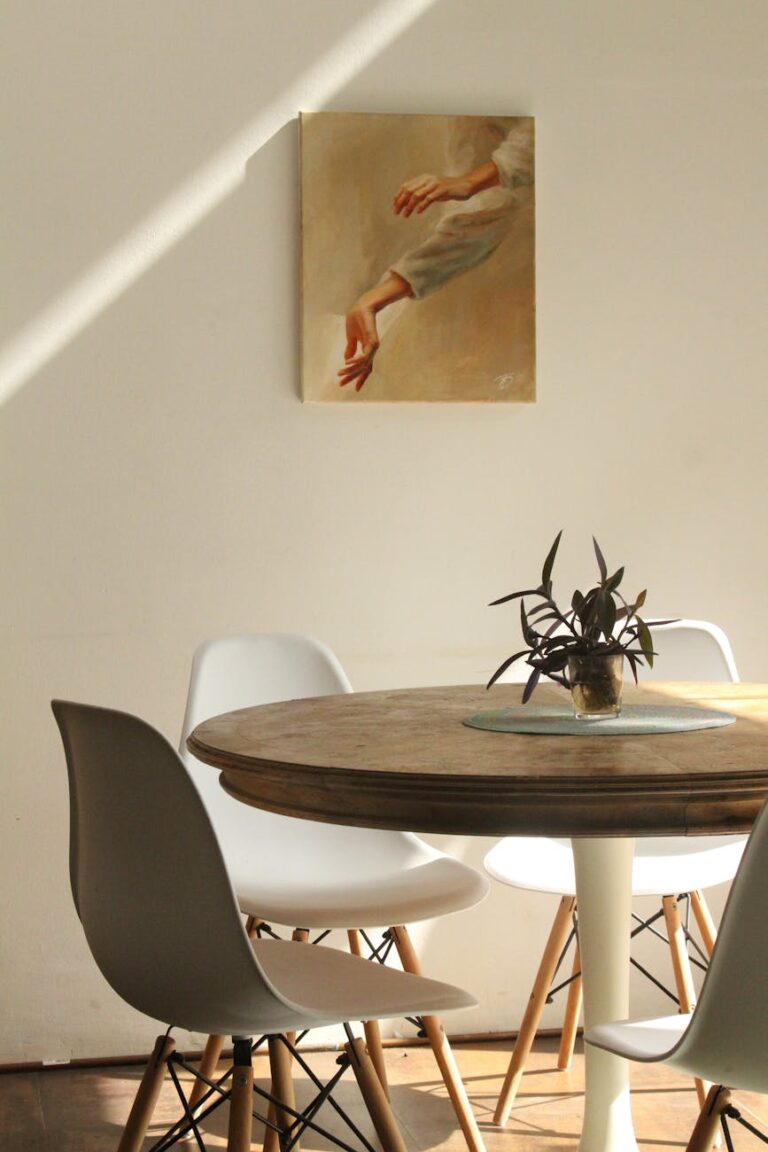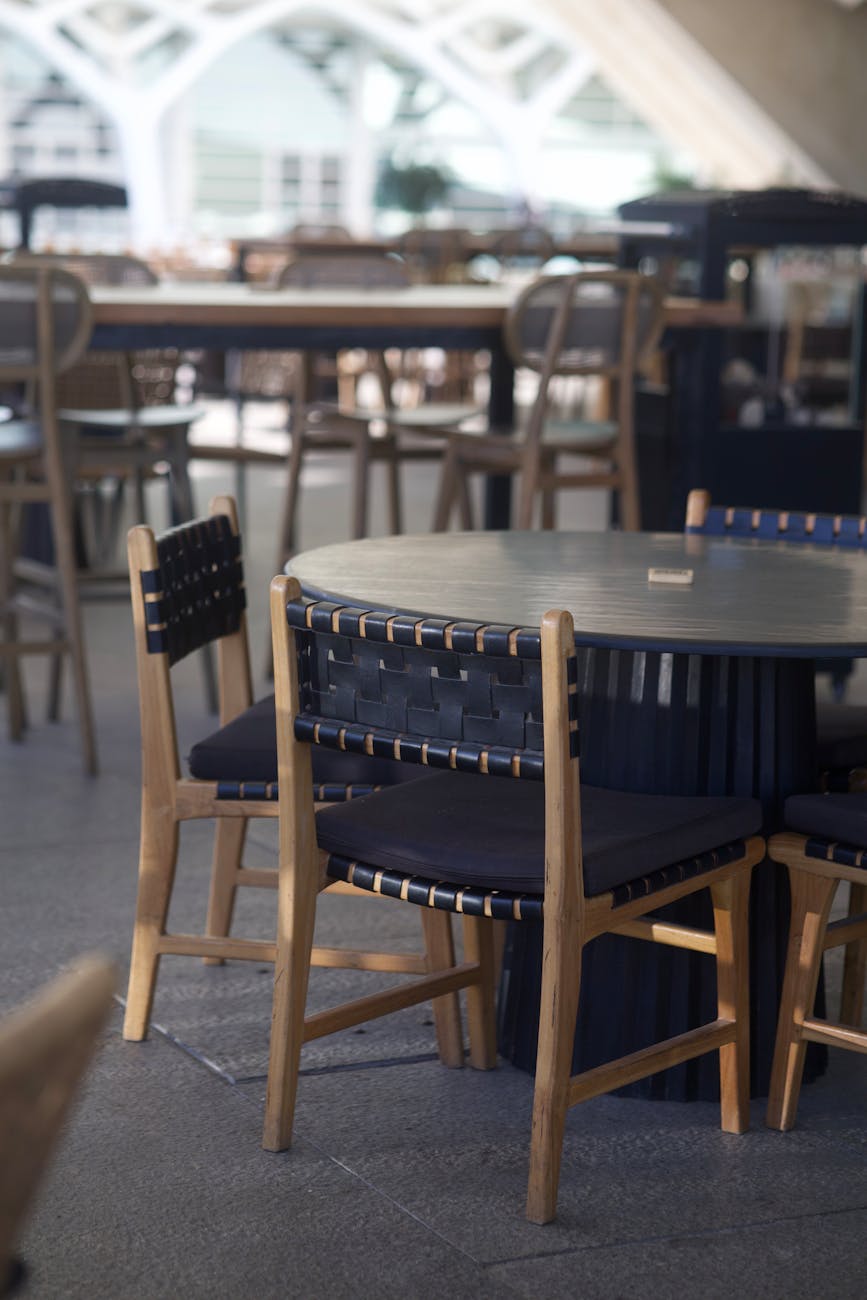
Crafting the Perfect Dining Room for Style and Comfort
Elevate Your Every Meal: Crafting the Perfect Dining Room with Style, Comfort, and Light
Estimated reading time: 15 minutes
Key Takeaways
- Cohesive Design is Key: A successful dining room harmonizes all elements—sets, lighting, rugs, chairs, cabinets, and wall decor—to create an inviting and functional space.
- Balance Aesthetics and Functionality: When selecting furniture and decor, prioritize both visual appeal and practical use, considering factors like size, durability, and comfort.
- Lighting Sets the Mood: Layered and dimmable lighting is crucial for transforming the dining experience, allowing you to adjust ambiance for any occasion.
- Rugs Define and Protect: A properly sized dining room rug anchors the space, adds warmth, improves acoustics, and protects your flooring.
- Personalization Through Details: Wall decor and cabinet styling are opportunities to inject personality and tie the room’s narrative together, making the space uniquely yours.
Table of Contents
- Elevate Your Every Meal: Crafting the Perfect Dining Room with Style, Comfort, and Light
- The Heart of the Home: Exploring Dining Room Sets
- Illuminating Your Space: Dining Room Light Fixtures & Lighting
- Foundation of Style: Dining Room Rugs
- The Centerpiece: Dining Tables for Every Home
- Seating in Style: Dining Room Chairs
- Functional Elegance: The Dining Room Cabinet
- Personalizing Your Walls: Dining Room Wall Decor
- Bringing It All Together: Designing a Cohesive Dining Space
- FAQs about Dining Room Design
- Conclusion: Your Dream Dining Room Awaits
The dining room is more than just a place to eat; it’s the heart of hospitality, a stage for family gatherings, lively conversations, and quiet moments shared over a meal. It’s where memories are made, stories are exchanged, and connections are strengthened. Yet, often, this vital space is overlooked in design, becoming a functional area rather than a focal point of comfort and elegance.
Imagine a dining room that effortlessly combines sophistication with warmth, where every element — from the sturdy dining room table set to the inviting glow of the dining room light fixtures — works in harmony to create an unforgettable experience. At its core, designing a truly exceptional dining space involves a thoughtful blend of aesthetics, functionality, and personal touch. It’s about creating an atmosphere that beckons you to linger, to enjoy, and to celebrate.
In this comprehensive guide, we’ll embark on a journey through the essential elements of dining room design. We’ll delve into the art of selecting the perfect dining room sets that anchor your space, explore the captivating world of dining room lighting and its transformative power, and uncover how a well-chosen dining room rug can define and enhance your area. We’ll also guide you through picking the ideal dining tables for dining room layouts, discover how comfortable dining room chairs can elevate your experience, and reveal the organizational prowess of a sleek dining room cabinet. Finally, we’ll inspire you with creative dining room wall decor ideas to complete your vision. Whether your style leans modern, classic, or distinctively minimalist, these inspirations are designed to help you build a dining room you’ll genuinely love, a space that reflects your taste and enhances your everyday life.
The Heart of the Home: Exploring Dining Room Sets
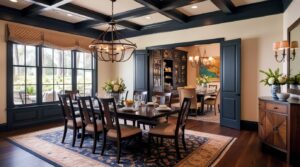
The dining room set is undoubtedly the cornerstone of your dining area. It dictates the room’s style, sets the tone, and provides the essential functionality for meals and gatherings. A well-chosen dining room set can transform a bare space into a cohesive and inviting environment, reflecting your personal aesthetic while offering comfort and durability.
Choosing Your Ideal Dining Room Set
Selecting the right dining room set requires careful consideration of several factors, ensuring it aligns with your lifestyle, space, and design preferences.
Style Considerations: Modern, Classic, Rustic, or Minimalist?
Your dining set should complement the overall aesthetic of your home.
- Modern/Contemporary: Often characterized by clean lines, geometric shapes, and a mix of materials like glass, metal, and polished wood. Think sleek dining tables and minimalist dining room chairs.
- Classic/Traditional: Features rich woods, intricate carvings, upholstered chairs, and a sense of timeless elegance. These sets often exude formality and grandeur.
- Rustic/Farmhouse: Embraces natural materials, distressed finishes, and sturdy construction. Reclaimed wood tables, bench seating, and simple yet robust chairs are common.
- Minimalist: Focuses on simplicity, functionality, and uncluttered spaces. Often involves neutral palettes, clean lines, and a “less is more” approach.
- Eclectic: A blend of different styles, thoughtfully curated to create a unique and personalized look. This can involve mixing vintage dining room chairs with a contemporary dining table.
Material Choices: Durability Meets Design
The material of your dining room set impacts both its appearance and its longevity.
- Wood: A timeless choice, offering warmth and versatility. Options range from durable hardwoods like oak, maple, and walnut to more budget-friendly veneers. Finishes can be natural, stained, painted, or distressed.
- Metal: Adds an industrial or modern edge. Wrought iron, stainless steel, and aluminum are popular choices, often paired with glass or wood tops for dining tables.
- Glass: Creates an open, airy feel, perfect for smaller spaces as it doesn’t visually weigh down the room. Glass tops are often paired with metal or wood bases.
- Mixed Materials: Many contemporary dining room sets combine materials, such as a metal base with a wooden top, or upholstered dining room chairs with wooden frames, offering unique textural and visual interest.
Size and Space Planning: Ensuring the Perfect Fit
Before committing to a dining room set, meticulously measure your dining area.
- Table Size: Allow at least 36-42 inches of clearance around the table for chairs to be pulled out comfortably and for people to walk around.
- Seating Capacity: Consider how many people you typically host. A standard rectangular table seats two per side and one at each end. Extendable dining tables are excellent for flexibility.
- Room Proportions: A large, grand set might overwhelm a small room, while a petite set could look lost in a sprawling space. Aim for balance.
Benefits of a Cohesive Dining Room Table Set
Investing in a complete dining room table set offers numerous advantages:
- Aesthetic Harmony: A matching set ensures all elements – table and chairs – are stylistically consistent, creating a polished and sophisticated look. This eliminates the guesswork of coordinating individual pieces.
- Functional Synergy: Designed to work together, chairs often tuck neatly under the table, optimizing space and improving flow. This is particularly important for high-quality dining room chairs that are built to complement their accompanying table.
- Streamlined Shopping: Purchasing a set simplifies the buying process, saving time and often money compared to buying individual pieces.
- Durability and Longevity: Reputable retailers provide dining room sets constructed from high-quality materials, ensuring they withstand the test of time and frequent use, becoming a cherished part of your home for years to come.
Upgrade your space with the best dining room sets that bring comfort and elegance to every meal, setting the stage for countless cherished memories.
Illuminating Your Space: Dining Room Light Fixtures & Lighting
Beyond functionality, dining room lighting is arguably the most crucial element in defining the mood and aesthetic of your dining area. The right dining room light fixtures can transform a mundane meal into a memorable experience, highlighting your decor and creating a warm, inviting atmosphere.
The Impact of Dining Room Lighting
Effective lighting serves multiple purposes in the dining room:
- Ambiance Creation: Lighting sets the mood. Soft, warm light fosters intimacy and relaxation, while brighter light is suitable for daytime use or specific tasks.
- Task Illumination: Sufficient light over the dining tables dining room ensures guests can see their food and each other clearly.
- Decorative Enhancement: Dining room light fixtures themselves are often works of art, serving as focal points that enhance the room’s overall design.
Types of Dining Room Light Fixtures
A variety of fixtures can be used to achieve desired lighting effects.
Chandeliers: The Grand Statement
Chandeliers are classic dining room light fixtures that add grandeur and elegance. They come in countless styles, from traditional crystal to modern minimalist designs. Positioned centrally over the dining tables dining room, they serve as a stunning focal point.
Pendant Lights: Modern Versatility
Pendant lights offer a more contemporary and often more flexible option. A single large pendant or a cluster of smaller pendants can create a stylish statement. They are excellent for providing focused downlighting.
Flush Mounts & Semi-Flush Mounts: Space Savers
Ideal for rooms with lower ceilings, these fixtures provide general ambient light without taking up much vertical space. While less dramatic than chandeliers, modern designs can still be quite stylish.
Sconces: Accent and Mood Lighting
Wall sconces provide secondary lighting, often used to create softer, ambient light layers. They can highlight artwork or add decorative flair to dining room wall decor.
Modern Dining Room Lighting Ideas
Embrace innovation to enhance your dining experience.
- Layered Lighting: The most effective lighting schemes use multiple layers.
- Ambient: General overhead light (chandelier, flush mount).
- Task: Directed light (pendant over the table).
- Accent: Decorative light (sconces, recessed lights highlighting art).
- Smart Lighting Systems: Integrate smart bulbs and dimmers for complete control over brightness and color temperature, allowing you to switch from bright task lighting to a soft, romantic glow with ease.
- Dimmers: Essential for any dining room. Dimmers allow you to adjust the intensity of your dining room lighting to suit different occasions and moods, making your space incredibly versatile.
- Candlelight: Don’t underestimate the power of natural flames for adding warmth and a romantic atmosphere, complementing your fixed dining room light fixtures.
Explore beautiful dining room light fixtures and modern dining room lighting ideas that brighten your space while creating a warm atmosphere, ensuring every meal feels special.
Foundation of Style: Dining Room Rugs
Often underestimated, a dining room rug is a powerful design tool. It can anchor your furniture, define the space, add warmth, and introduce texture and color to your dining area. A well-chosen rug completes the look, tying all elements together, from your dining room table set to your dining room wall decor.
Why a Dining Room Rug Matters
- Defining the Space: In open-plan living areas, a dining room rug clearly delineates the dining zone from other areas, creating a sense of intimacy and purpose.
- Adding Warmth and Comfort: Rugs instantly make a room feel cozier and more inviting, especially in homes with hard flooring. They add a layer of softness underfoot.
- Protecting Floors: A rug acts as a buffer, protecting your hardwood or tile floors from scratches, spills, and the constant movement of dining room chairs.
- Improving Acoustics: Rugs absorb sound, reducing echoes and making conversations easier and more pleasant during meals.
- Introducing Texture and Style: A rug is an opportunity to add pattern, color, and texture, enhancing the overall aesthetic and complementing other decor elements.
Selecting the Perfect Dining Room Rug
Choosing the right dining room rug involves balancing aesthetics with practicality.
Size and Shape Guidelines
The cardinal rule for a dining room rug is that it should be large enough to accommodate all dining room chairs even when they are pulled out from the table.
- General Rule: The rug should extend at least 24-30 inches beyond the edges of the dining tables dining room on all sides. This prevents chair legs from catching on the rug’s edge, ensuring smooth movement and preventing tripping hazards.
- Shape: Match the rug shape to your dining table. A rectangular rug for a rectangular table, a round rug for a round table. However, sometimes a large rectangular rug can work with a round table in a larger room.
Material Considerations: Durability and Cleanability
In a high-traffic, spill-prone area like a dining room, material choice is paramount.
- Wool: Durable, naturally stain-resistant, soft, and luxurious. A classic choice that lasts.
- Synthetics (Polypropylene, Nylon): Highly durable, very stain-resistant, easy to clean, and budget-friendly. Excellent for busy households.
- Jute/Sisal: Natural fibers that add texture and a rustic feel. Durable but can be rough and harder to clean.
- Low Pile vs. High Pile: Opt for a low-pile or flatweave rug in the dining room. High-pile rugs can trap crumbs and make it difficult to slide chairs.
Color and Pattern
- Color Palette: Choose a rug that complements your room’s existing color scheme. It can be a neutral backdrop or a bold statement piece. Darker colors or patterns can be more forgiving with spills.
- Pattern: A patterned rug can hide stains and add visual interest. Consider patterns that enhance your chosen style – geometric for modern, floral for traditional, abstract for contemporary.
Add texture and style with a perfect dining room rug – or choose from a wide range of dining room rugs to complete the look and define your space with elegance and comfort.
The Centerpiece: Dining Tables for Every Home
The dining tables dining room is the quintessential piece of furniture, around which all other elements revolve. It’s where the magic happens, where food is shared, and connections are forged. Selecting the right table is crucial, influencing not only the room’s aesthetics but also its functionality and the comfort of those gathered around it.
Types of Dining Tables Dining Room Styles
Dining tables come in various shapes, each offering distinct advantages.
Rectangular Tables: Classic and Versatile
The most common shape, rectangular tables are excellent for accommodating a large number of guests and fit well in most dining room layouts. They are ideal for traditional, modern, and farmhouse styles.
Round Tables: Intimacy and Flow
Round tables foster conversation as everyone is equidistant, creating a more intimate dining experience. They are also great for smaller spaces as they lack sharp corners, improving flow. Perfect for cozy or contemporary settings.
Square Tables: Modern and Compact
Square tables work well in square rooms and are ideal for smaller families or couples. They offer a neat, symmetrical look, often favored in modern or minimalist designs.
Oval Tables: Elegant and Spacious
Oval tables combine the best aspects of rectangular and round tables, offering ample surface area without sharp corners, contributing to a softer, more elegant aesthetic.
Extendable Tables: Flexibility at Its Best
An extendable dining table is a practical solution for those who host occasionally but don’t need a large table daily. They feature leaves that can be added or removed, adapting to your needs. This is a brilliant way to have a compact dining room table set for everyday use and expand for special occasions.
Material and Finish Options
The material choice for your dining tables dining room impacts durability, maintenance, and style.
- Wood: Timeless and versatile. Hardwoods like oak, walnut, and cherry offer strength and natural beauty. Finishes can range from glossy to distressed, allowing for customization.
- Glass: Creates an open, airy, and contemporary feel. Easy to clean but can show fingerprints and scratches more readily. Often paired with metal or wood bases.
- Marble/Stone: Exudes luxury and sophistication. Durable and beautiful, but heavy and requires sealing to prevent stains.
- Metal: Industrial, modern, or rustic depending on the finish. Often used for bases, paired with other materials for the top.
- Concrete: A chic, industrial choice, offering a robust and modern aesthetic. Requires sealing.
Sizing Your Dining Table Dining Room
Proper sizing ensures comfort and functionality.
- Seating Capacity:
- Small (4-6 people): Typically 60-72 inches long for rectangular, 36-48 inches diameter for round.
- Medium (6-8 people): 72-90 inches long for rectangular, 48-60 inches diameter for round.
- Large (8+ people): 90+ inches long for rectangular, 60+ inches diameter for round.
- Clearance: Ensure at least 36 inches of space between the table edge and the wall or other furniture to allow chairs to be pulled out easily.
Explore stylish dining tables dining room designs that bring comfort and elegance to every meal, offering a perfect fit for any space and lifestyle.
Seating in Style: Dining Room Chairs
While the dining table anchors the room, dining room chairs are what truly define comfort and contribute significantly to the overall aesthetic. The right chairs can transform a simple table into an inviting haven, encouraging guests to relax and linger. They are not just functional pieces; they are opportunities to express style, add texture, and ensure ergonomic support.
Comfort Meets Design: Choosing Dining Room Chairs
Selecting dining room chairs involves a delicate balance between ergonomic comfort and visual appeal.
Ergonomics and Support
- Seat Height: Standard dining chair seat height is typically 18-19 inches, leaving about 10-12 inches between the seat and the table apron.
- Seat Depth: Adequate depth (around 16-18 inches) provides comfortable support.
- Backrest: A supportive backrest is crucial for comfort during long meals. Consider padded or ergonomically curved backs.
- Armrests vs. Armless: Armless chairs offer more flexibility and save space, allowing more people to sit around a table. Armchairs provide extra comfort and a more formal look, often used at the head of the table.
Style Matching and Material
Your dining room chairs should complement the dining tables dining room and the room’s overall style.
- Materials:
- Wood: Classic, durable, and versatile. Can be solid wood, bentwood, or rattan.
- Upholstered: Offers superior comfort and a touch of luxury. Choose durable, stain-resistant fabrics or leather, especially if you have children or frequent spills.
- Metal: Adds a modern, industrial, or minimalist touch. Can be sleek stainless steel, rustic wrought iron, or lightweight aluminum.
- Plastic/Acrylic: Contemporary, lightweight, and easy to clean, often seen in modern or Scandinavian designs.
- Visual Weight: Consider how the chairs look in relation to the table. A heavy, solid table might benefit from lighter, airier chairs to prevent the room from feeling too cumbersome. Conversely, a delicate table can be balanced with more substantial chairs.
Mixing and Matching Dining Room Chair Styles
The trend of mixing and matching dining room chair styles has gained immense popularity, allowing for a personalized and dynamic look.
- Achieving an Eclectic Look:
- Same Style, Different Colors: Use the same chair design but in varying colors to create a playful yet cohesive look.
- Different Styles, Same Color/Material: Choose chairs of different designs but unify them with a consistent color palette or material (e.g., all wooden chairs, but different shapes).
- Head Chairs as Statement Pieces: Place two distinct, often larger or more ornate, chairs at the ends of your rectangular dining tables dining room, while keeping the side chairs uniform.
- Varying Textures: Mix upholstered chairs with wooden or metal chairs for textural contrast while keeping a similar style or color theme.
- Balancing Different Elements: When mixing, ensure there’s a common thread – be it a shared material, a consistent height, a unifying color, or a complementary design era. This prevents the room from looking haphazard. The goal is intentional contrast, not chaos.
Mix comfort with design using high-quality dining room chairs, ensuring every guest feels welcome and relaxed, whether you choose a cohesive dining room table set or opt for a stylish mix-and-match approach.
Functional Elegance: The Dining Room Cabinet
A dining room cabinet is more than just a storage unit; it’s a pivotal piece of furniture that marries functionality with decorative appeal. It can store entertaining essentials, display cherished items, and add significant style to your dining space. From elegant buffets to stately curios, the right cabinet enhances organization and elevates the room’s aesthetic.
Beyond Storage: The Role of a Dining Room Cabinet
A thoughtfully chosen dining room cabinet serves multiple purposes, making your dining area more practical and beautiful.
Types of Dining Room Cabinets
- Buffets/Sideboards: These long, low cabinets typically stand against a wall, offering surface space for serving dishes, drinks, or decorative items, along with ample enclosed storage below for linens, flatware, and dinnerware.
- Hutches/China Cabinets: Taller units, often featuring glass-fronted upper sections for displaying fine china, crystal, or decorative collectibles, with closed storage cabinets below. They add a touch of formality and traditional elegance.
- Bar Cabinets: Specialized cabinets designed to store barware, bottles, and accessories, perfect for those who enjoy entertaining with spirits.
- Curio Cabinets: Primarily for display, these glass-enclosed cabinets showcase decorative items and heirlooms, often featuring internal lighting to highlight their contents.
Storage for Dinnerware, Linens, and Serving Pieces
A dining room cabinet is invaluable for keeping your dining essentials organized and easily accessible.
- Dinnerware: Safely store seldom-used china, serving platters, and specialty dishes.
- Linens: Keep tablecloths, placemats, and cloth napkins neatly folded and ready for use.
- Flatware: Dedicated drawers or inserts can organize silverware, serving utensils, and other dining accessories.
- Glassware: Protect delicate stemware and specialty glasses.
Styling Your Dining Room Cabinet
A dining room cabinet presents an excellent opportunity for creative styling, further enhancing your dining room wall decor and overall ambiance.
Decorating the Top
- Statement Pieces: A large vase with fresh flowers, a sculptural object, or a collection of interesting artifacts can create a focal point.
- Layered Decor: Combine elements of varying heights – a lamp for ambient light, framed photos, small decorative trays, or candles – to create visual depth.
- Mirrors/Art: Hang a large mirror or a striking piece of art above the cabinet to reflect light and add visual interest, tying into your broader dining room wall decor scheme.
Internal Organization and Display
- Showcase with Purpose: If your cabinet has glass fronts, arrange items thoughtfully. Group similar items, use plate stands to display dishes upright, and keep displays uncluttered.
- Lighting: Many display cabinets include internal lighting, which highlights your treasures and adds a warm glow to the room, complementing your overall dining room lighting plan.
- Concealed Storage: Utilize drawer dividers and shelf organizers within closed compartments to keep everything tidy and maximize storage efficiency.
Keep your space organized and functional with a sleek dining room cabinet, offering both practical storage and a stylish surface for display, seamlessly integrating with your chosen dining room sets.
Personalizing Your Walls: Dining Room Wall Decor
After selecting your furniture and lighting, dining room wall decor is the final touch that infuses personality, style, and visual interest into your space. It’s an opportunity to express your taste, tie the room together, and create a captivating backdrop for your dining experiences. From grand statements to subtle accents, the right wall decor can truly complete your vision.
Creative Dining Room Wall Decor Ideas
Transform bare walls into dynamic canvases with these inspiring ideas.
Artworks: Express Yourself
- Single Statement Piece: A large painting or print can become the focal point of the room, drawing the eye and setting the mood. Choose art that resonates with your personal style and color palette.
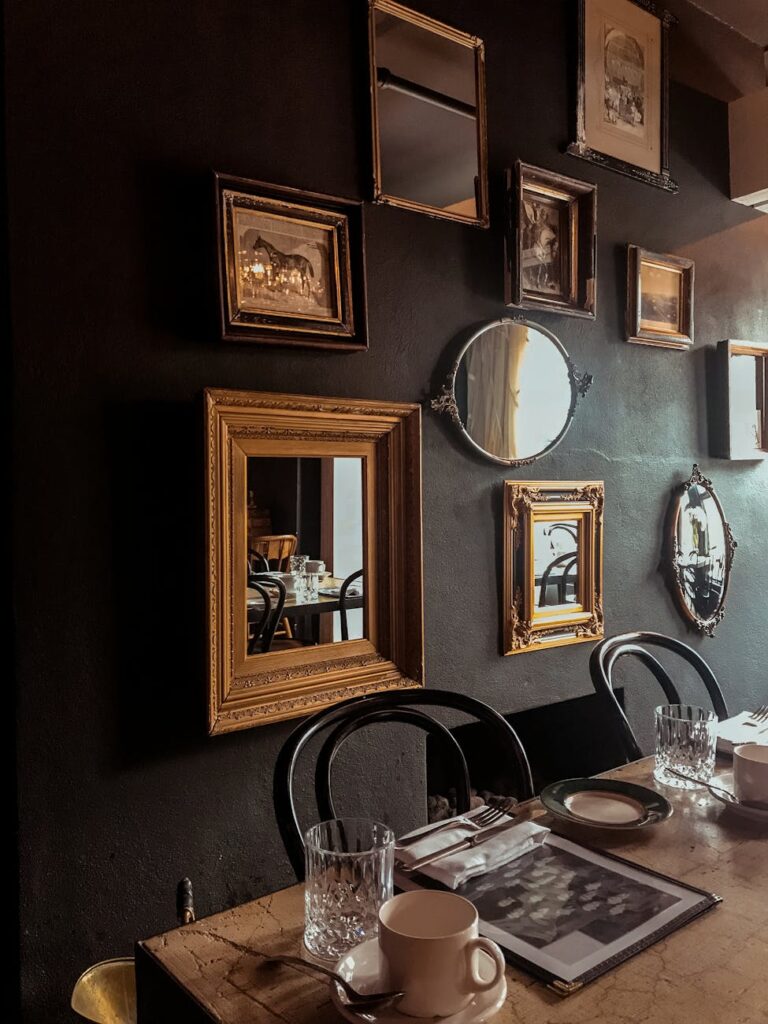
- Gallery Wall: A collection of smaller artworks, photographs, or prints arranged cohesively creates a dynamic and personalized display. Mix frames, sizes, and subjects for an eclectic feel, or keep them uniform for a more structured look.
- Murals/Wallpaper: For a bold statement, consider an accent wall with a striking mural or patterned wallpaper. This can add depth, texture, and a unique artistic flair.
Mirrors: Expand and Reflect
- Large Mirror: A substantial mirror not only serves as a beautiful decorative element but also reflects light, making the room feel larger and brighter, especially when positioned to bounce light from your dining room light fixtures.
- Group of Mirrors: A cluster of smaller, decorative mirrors can create an interesting visual effect and add a touch of elegance.
Shelves: Display and Function
- Floating Shelves: These minimalist shelves offer a perfect spot to display small decorative objects, plants, cookbooks, or curated collections, adding dimension without clutter.
- Built-in Shelving: If possible, built-in shelves can provide extensive display and storage, seamlessly integrated into the room’s architecture.
Wall Panels and Textures: Adding Depth
- Wainscoting/Molding: Architectural details like wainscoting, picture rails, or crown molding add classic charm and sophistication, defining the walls with subtle texture.
- Textural Wall Coverings: Consider grasscloth wallpaper, fabric panels, or even faux brick/stone for tactile interest and an immersive feel.
Making a Statement with Dining Room Wall Decor
Beyond individual pieces, think about how your wall decor contributes to the overall narrative of your dining room.
Focal Points
Every room benefits from a focal point. Often, the dining tables dining room serves this purpose, but a carefully curated gallery wall, an oversized piece of art, or a dramatic mirror can also draw attention and anchor the space. Position your most striking dining room wall decor in a prominent spot.
Color Palettes and Textures
- Cohesive Colors: Ensure your wall decor’s colors complement the palette of your dining room sets, dining room rug, and other furnishings. It doesn’t have to match perfectly, but it should harmonize.
- Varied Textures: Mix materials on your walls – a glossy framed print next to a textured woven wall hanging, or a metal sculpture against a smooth painted wall – to create visual interest and depth.
Complete your space using creative dining room wall decor ideas that infuse personality and elegance, making every meal a visually rich experience.
Bringing It All Together: Designing a Cohesive Dining Space
Creating a beautiful and functional dining room isn’t just about individual pieces; it’s about how every element works in concert. A truly well-designed dining space demonstrates harmony, balance, and flow, making it not only aesthetically pleasing but also a joy to inhabit. Integrating your chosen dining room sets, dining room lighting, dining room rug, dining room chairs, dining room cabinet, and dining room wall decor into a cohesive whole is the ultimate goal.
Integrating Dining Room Furniture & Decor
Achieving a harmonious dining room involves thoughtful planning and attention to detail.
Harmony: Unifying Your Elements
- Consistent Style: While mixing styles can be charming (as with dining room chairs), maintaining an overarching design theme (e.g., modern farmhouse, industrial chic, classic elegance) ensures all pieces feel like they belong together.
- Color Palette: Stick to a primary color palette (2-3 main colors, plus neutrals) across your dining room sets, dining room rug, and dining room wall decor. This creates visual unity.
- Material Echoes: Repeat certain materials throughout the room. If your dining tables dining room has a metal base, incorporate metal accents in your dining room light fixtures or dining room wall decor.
Balance: Distributing Visual Weight
- Symmetry vs. Asymmetry: Symmetrical arrangements (like a perfectly centered dining room table set with matching sconces) offer formality and calm. Asymmetrical balance uses different elements of equal visual weight to create a more dynamic, relaxed feel.
- Scale and Proportion: Ensure the size of your furniture is appropriate for the room. A massive dining room cabinet might overwhelm a small room, just as petite dining room chairs would look lost next to an expansive table. Consider the height of your dining room light fixtures in relation to your table and ceiling.
Flow: Creating an Inviting Path
- Clear Pathways: Ensure there’s enough space around the dining tables dining room for people to move comfortably, even when chairs are pulled out. This is where proper dining room rug sizing is critical.
- Accessibility: Place your dining room cabinet in a convenient location for easy access to dinnerware and serving items.
- Visual Movement: Use lines, colors, and textures to guide the eye around the room, creating a seamless and engaging experience.
Tips for a Stylish and Functional Dining Room Makeover
Whether you’re starting from scratch or refreshing an existing space, these tips can help.
Budgeting Wisely
- Prioritize: Decide which elements are most important to you. Is it a high-quality dining room table set, stunning dining room light fixtures, or a luxurious dining room rug? Allocate your budget accordingly.
- DIY & Thrift: Consider DIY projects for dining room wall decor or scour antique shops for unique dining room chairs or a vintage dining room cabinet to add character on a budget.
Planning is Key
- Floor Plan: Draw out your room’s layout, including windows, doors, and outlets, before purchasing. Use painter’s tape on the floor to visualize furniture placement, especially for your dining tables dining room and dining room rug.
- Inspiration Boards: Collect images of dining rooms you love. This helps you define your style and ensures consistency in your choices, from dining room sets to dining room lighting.
Personal Touches
- Reflect Your Personality: Your dining room should feel like yours. Incorporate items that tell a story – travel souvenirs, family photos in your dining room wall decor, or heirlooms in your dining room cabinet.
- Embrace Comfort: Don’t sacrifice comfort for style. Comfortable dining room chairs and well-placed dining room lighting will make guests want to stay longer.
- Flexibility: Consider how the room might need to adapt. An extendable dining table set or movable dining room cabinet can offer versatility for different occasions.
Whether your style is modern, classic, or minimalist, these inspirations help you build a dining room you’ll love—a cohesive interior where every element, from your dining room sets to your dining room light fixtures, contributes to an inviting and elegant space.
FAQs about Dining Room Design
What’s the ideal size for a dining room rug?
The general rule is that your dining room rug should extend at least 24-30 inches beyond all sides of your dining tables dining room. This ensures that when chairs are pulled out, their back legs remain on the rug, preventing snags and making it easier to move the chairs. For a rectangular table, a rectangular rug is usually best; for a round table, a round rug or a large square rug can work.
How high should dining room light fixtures be hung?
For most dining room light fixtures like chandeliers or large pendants, the bottom of the fixture should hang approximately 30-36 inches above the surface of the dining tables dining room. This height provides ample light without obstructing views or bumping heads. Adjust slightly based on ceiling height and fixture size.
Can I mix different styles of dining room chairs?
Absolutely! Mixing and matching dining room chairs is a popular and stylish trend that adds personality and visual interest. To maintain cohesion, ensure there’s a unifying element, such as a consistent color, material (e.g., all wood, but different shapes), height, or a similar design era. Using two distinct chairs at the ends of your table and matching chairs along the sides is a common approach.
What are the best materials for a durable dining table?
For durability, hardwoods like oak, maple, walnut, and teak are excellent choices for dining tables dining room, known for their strength and longevity. Metal bases with wooden or stone tops also offer great durability. For busy households, consider materials that are easy to clean and resistant to scratches, such as sealed wood, glass (though prone to fingerprints), or engineered wood products.
How do I create a warm atmosphere in my dining room?
Creating a warm atmosphere involves several elements:
- Lighting: Use dimmable dining room lighting with warm color temperatures (2700K-3000K). Incorporate ambient, task, and accent lighting. Candles are also fantastic for warmth.
- Textures: Introduce soft textures through a plush dining room rug, upholstered dining room chairs, linen curtains, and decorative throws or cushions.
- Colors: Opt for warm color palettes on walls and in your dining room wall decor, such as earthy tones, deep blues, rich greens, or inviting reds.
- Wood Elements: Natural wood in your dining room sets and dining room cabinet inherently adds warmth.
- Personal Touches: Display cherished items, family photos, and fresh flowers to make the space feel lived-in and inviting.
Conclusion: Your Dream Dining Room Awaits
The dining room is more than just a place to eat; it’s a testament to your personal style and a sanctuary for shared moments. From the first impression created by your chosen dining room sets to the final touches of dining room wall decor, every element plays a crucial role in shaping the heart of your home. We’ve explored how a carefully selected dining room table set can anchor your space, how exquisite dining room light fixtures can set the perfect mood, and how a comfortable dining room rug can define and warm your area. We’ve also delved into the specifics of finding the ideal dining tables for dining room layouts, the comfort and style of diverse dining room chairs, and the indispensable utility of a sleek dining room cabinet.
Remember, designing your dining room is an exciting journey of discovery and expression. It’s about merging functionality with flair, ensuring that your space is not only beautiful but also deeply personal and welcoming. By thoughtfully considering each component, from the grand statement of a chandelier to the subtle texture of a rug, you can craft a dining room that perfectly aligns with your lifestyle and brings joy to every gathering.
Upgrade your space with the best dining room sets and stylish dining tables that bring comfort and elegance to every meal. Explore beautiful dining room light fixtures and modern dining room lighting ideas that brighten your space while creating a warm atmosphere. Add texture and style with a perfect dining room rug—or choose from a wide range of dining room rugs to complete the look. Keep your space organized and functional with a sleek dining room cabinet, and mix comfort with design using high-quality dining room chairs. For a cohesive interior, pair everything with a matching dining room table set and complete your space using creative dining room wall decor ideas. Whether your style is modern, classic, or minimalist, these inspirations help you build a dining room you’ll love – a space designed not just for dining, but for living.