Designing Your Dream Dining Room The Complete Guide
Elevate Your Home: The Ultimate Guide to Crafting Your Dream Dining Room
Estimated reading time: 15 minutes
Key Takeaways
- A well-designed dining room serves as the heart of your home, enhancing comfort, connection, and special moments.
- The dining table is the centerpiece; choose between cohesive dining room sets or personalize with individual tables and chairs based on space, lifestyle, and material preferences.
- Layered lighting, combining ambient, task, and accent fixtures with dimmers, is crucial for setting the perfect mood and functionality.
- Dining room rugs define the space and add texture; ensure it’s adequately sized so all chair legs remain on the rug when pulled out.
- Strategic storage like buffets or china cabinets, along with creative wall decor and a cohesive color/texture palette, bring the entire design together.
Table of Contents
- Introduction: The Heart of Your Home
- Foundation First: Choosing the Perfect Dining Room Set & Table
- Comfort Meets Design: Selecting Your Dining Room Chairs
- Illuminating Elegance: Modern Dining Room Lighting Ideas
- Grounding Your Space: The Perfect Dining Room Rug
- Organized Sophistication: The Indispensable Dining Room Cabinet
- Artistry on Display: Creative Dining Room Wall Decor Ideas
- Bringing It All Together: A Cohesive Dining Room Design
- Maintenance and Longevity: Keeping Your Dining Room Pristine
- Frequently Asked Questions (FAQs)
- Conclusion: Your Dream Dining Room Awaits
1. Introduction: The Heart of Your Home
The dining room is more than just a place to eat; it’s the stage for life’s most cherished moments. From celebratory feasts and intimate family dinners to casual brunches and lively game nights, this space witnesses connections, conversations, and the creation of lasting memories. It’s where stories are shared, laughter rings out, and the simple act of breaking bread together transforms into a ritual of togetherness.
1.1 The Importance of a Well-Designed Dining Room
A thoughtfully designed dining room reflects your personal style and enhances the overall atmosphere of your home. It’s a space that should invite, comfort, and inspire. When every element—from the robust dining room table set to the soft glow of the dining room lighting—works in harmony, it creates an environment where everyone feels at ease and celebrations feel even more special. It’s about crafting an experience, not just furnishing a room.
1.2 Why Your Dining Room Deserves an Upgrade
Perhaps your current dining room feels outdated, lacks functionality, or simply doesn’t spark joy. Upgrading this vital area can breathe new life into your entire living space. Imagine a dining room that perfectly balances aesthetic appeal with practical use, where every piece from the dining room chair to the carefully chosen dining room rug contributes to a cohesive, inviting narrative. It’s an investment in your home’s value, your entertaining prowess, and most importantly, your family’s daily comfort and happiness.
Here at Upgrade your space, we believe in transforming these everyday spaces into extraordinary ones. With the right inspirations and high-quality selections, you can build a dining room you’ll love—one that truly stands out.
2. Foundation First: Choosing the Perfect Dining Room Set & Table
The dining room table is undeniably the centerpiece of your dining area. It’s where everyone gathers, making its selection paramount to both the functionality and aesthetics of the room. When searching for the ideal piece, consider both individual tables and the convenience of a matching dining room table set.
2.1 The Allure of a Cohesive Dining Room Table Set
Opting for one of the best dining room sets offers an immediate solution for a cohesive look. These sets are expertly curated to ensure that your dining tables dining room and chairs complement each other in style, finish, and scale. This takes the guesswork out of matching and guarantees a harmonious aesthetic, bringing comfort and elegance to every meal without extensive effort. It’s an excellent choice for those seeking a streamlined, sophisticated design.
2.2 Selecting Your Signature Dining Table
If you prefer to mix and match or have a unique vision, choosing your dining table independently allows for greater personalization.
Shapes and Sizes: Round, Rectangular, Square, Oval
- Rectangular Tables: The most common shape, ideal for larger families and formal dining rooms. They maximize seating and fit well in long, narrow spaces.
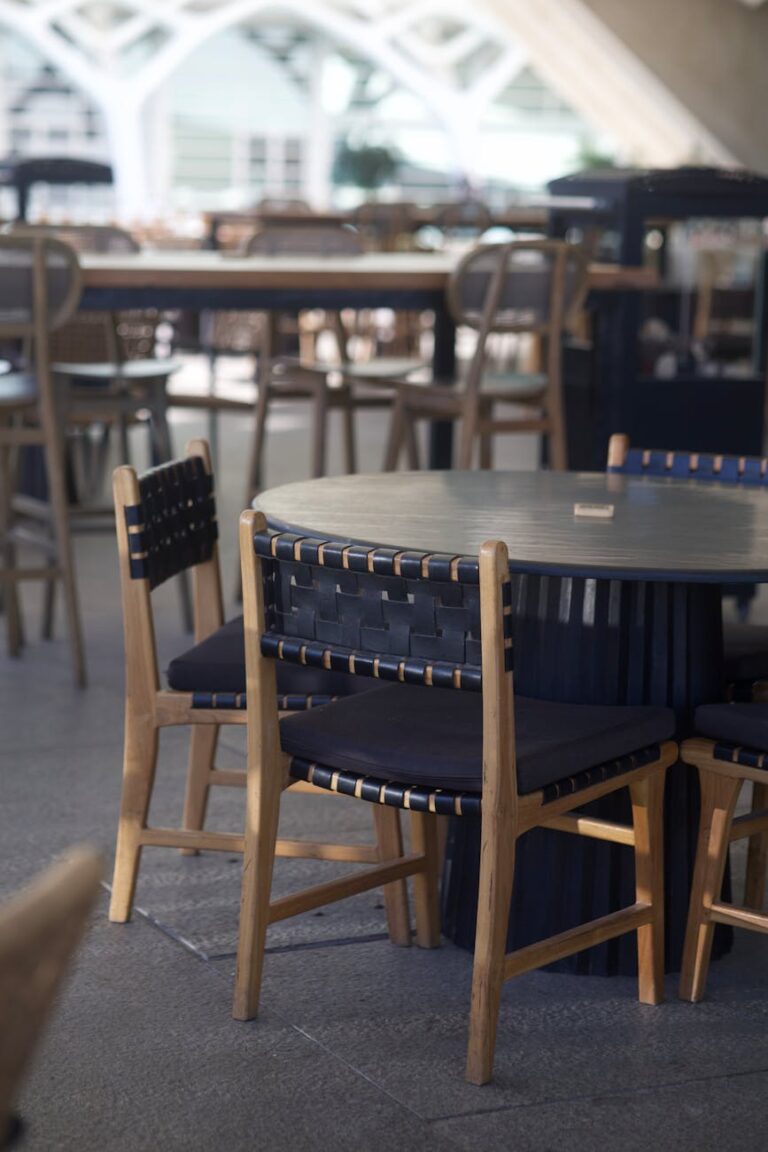
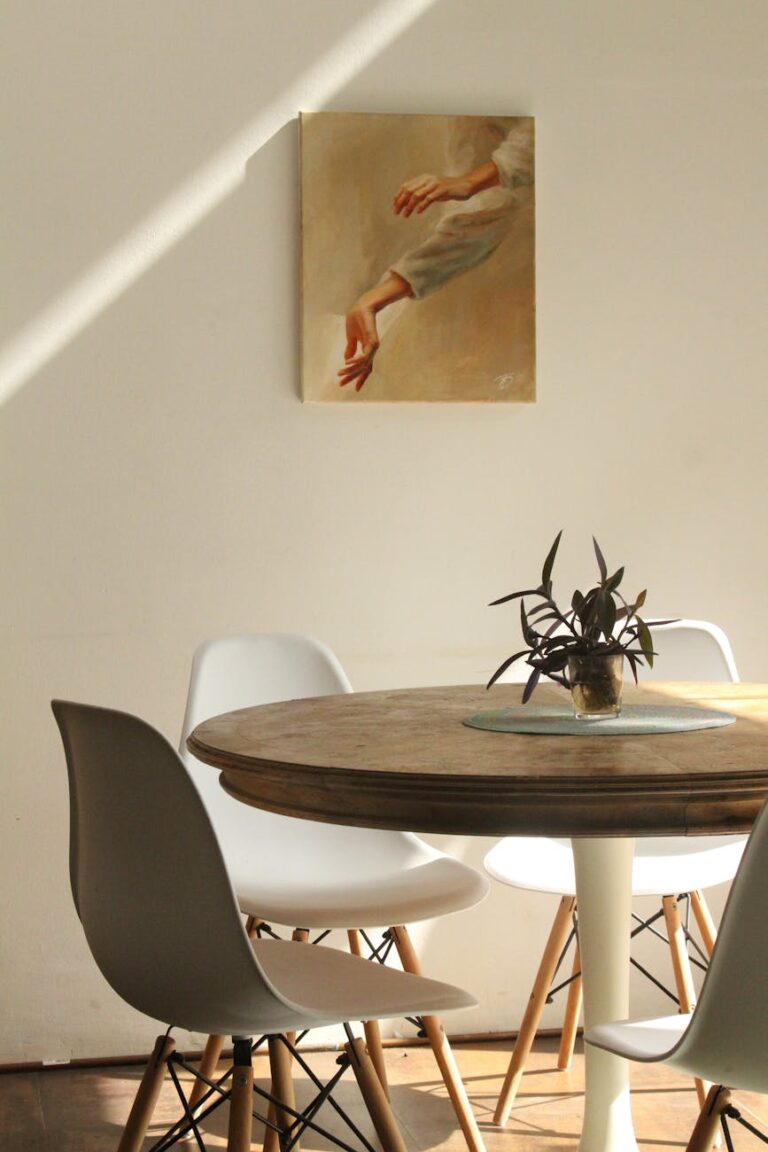
- Round Tables: Foster intimacy and conversation, as everyone is equidistant. Perfect for smaller spaces, they offer a softer look and no sharp corners.
- Square Tables: Best for smaller, square rooms, providing a balanced, modern feel for intimate gatherings.
- Oval Tables: Offer the benefits of rectangular tables (ample seating) with the softer edges of a round table, providing flow and style in larger rooms.
Materials Matter: Wood, Glass, Metal, Stone
- Wood: Classic, warm, and versatile. Options range from rustic oak to sleek walnut, offering durability and timeless appeal.
- Glass: Modern and airy, ideal for smaller spaces as it creates an illusion of openness. Requires frequent cleaning to maintain its pristine look.
- Metal: Industrial chic or contemporary elegance. Durable and can be paired with various tops.
- Stone (Marble, Granite): Luxurious and sophisticated, offering a high-end feel. Durable and resistant to heat, but can be heavy and costly.
Consider Your Space and Lifestyle
Before committing, measure your dining area carefully. Ensure there’s enough room for chairs to pull out comfortably and for people to walk around the table, even when it’s fully occupied. Think about your lifestyle: Do you entertain frequently? Do you have young children? These factors will influence your choice of material and durability.
2.3 Pairing Tables and Chairs: Beyond the Set
If you’re not choosing a dining room table set, ensure your chosen dining room chair designs are compatible with your table. Consider the height, scale, and style. For instance, a heavy, rustic wooden table might look incongruous with delicate, modern acrylic chairs. Conversely, pairing a sleek glass table with plush upholstered chairs can create an interesting textural contrast. The goal is to create a dynamic yet balanced aesthetic that speaks to your unique taste.
3. Comfort Meets Design: Selecting Your Dining Room Chairs
The right dining room chairs are crucial for both comfort during long meals and contributing to the overall aesthetic of your space. They should be inviting, sturdy, and stylish, completing the look of your dining room table set.
3.1 Ergonomics and Style: Finding the Right Balance
When selecting dining room chairs, don’t compromise on comfort. Look for chairs with appropriate seat height (typically 18-19 inches from the floor) and depth to ensure proper posture. Back support is also key, especially if you anticipate long, leisurely meals. Simultaneously, the style of the chairs should align with your table and the room’s overarching theme. Whether you prefer clean lines for a modern look or ornate details for a classic feel, there are high-quality dining room chairs to suit every preference.
3.2 Materials and Upholstery: Fabric, Leather, Wood, Metal
- Wood Chairs: Offer timeless appeal, durability, and a range of finishes from natural to painted. They can be formal or casual.
- Upholstered Chairs: Provide maximum comfort and allow for endless customization through fabric choices (velvet, linen, performance fabrics). They add a touch of luxury and softness to the room.
- Leather Chairs: Exude sophistication and are incredibly durable, aging beautifully over time. Easy to clean, making them practical for families.
- Metal Chairs: Bring an industrial, contemporary, or even rustic edge. They are sturdy and often lightweight, available in various finishes.
- Acrylic/Plastic Chairs: Modern, lightweight, and often stackable. Great for smaller spaces as they visually disappear.
3.3 Mix and Match: Creating Unique Dining Room Chair Combinations
Breaking away from a strictly matched dining room table set can add personality. Consider using two different styles of chairs, perhaps matching two sets of chairs that flank the table and using distinct host chairs. Or, for an eclectic look, use completely different chairs that share a common element like color, material, or height. This approach adds depth and visual interest, making your dining room truly unique.
3.4 The Power of the Host Chair
For a touch of grandeur and a clear designation of the “head of the table,” incorporate distinct host chairs at each end of your dining room table. These are often armchairs, perhaps in a different upholstery or slightly grander design, that complement the side chairs without perfectly matching them. This small detail elevates the entire dining room set and adds a layer of formality and elegance.
4. Illuminating Elegance: Modern Dining Room Lighting Ideas
Dining room lighting is arguably the most impactful element in setting the mood and defining the aesthetic of your dining area. It’s not merely about brightness; it’s about creating an atmosphere that enhances every meal and conversation. Exploring beautiful dining room light fixtures and modern concepts is key to brightening your space while creating a warm, inviting ambiance.
4.1 Beyond Function: Dining Room Light Fixtures as Art
A well-chosen dining room light fixture can be a stunning sculptural element, a focal point that captures attention even when not illuminated. Think of it as jewelry for your room, reflecting your personal style and design sensibilities. From grand chandeliers to sleek linear pendants, the options are vast and exciting.
4.2 Types of Dining Room Lighting: Ambient, Task, Accent
Effective lighting design employs a layered approach, combining different types of light to achieve versatility and depth.
Chandeliers and Pendants: The Centerpiece Glow
The central overhead dining room light fixture is usually a chandelier or a series of pendants. This provides ambient (general) lighting and serves as a visual anchor above your dining tables dining room.
- Chandeliers: Classic and grand, they make a statement. Choose a size proportionate to your table and room.
- Pendants: Offer a more modern, focused light. Multiple pendants can be hung in a row above a long table, or a single large pendant above a round table.
Sconces and Lamps: Layered Radiance
- Wall Sconces: Add ambient and accent lighting, creating a soft glow around the perimeter of the room. They are excellent for highlighting wall decor or providing a subtle, indirect light source.
- Table Lamps/Floor Lamps: If space allows, a console table with a lamp or a stylish floor lamp in a corner can add another layer of soft, warm light, contributing to a cozy atmosphere.
4.3 Modern Dining Room Lighting Trends: Dimmers and Smart Solutions
Modern dining room lighting ideas often incorporate smart technology.
- Dimmers: Essential for any dining room. They allow you to adjust the light intensity from bright for cleaning or homework to soft and intimate for dinner parties.
- Smart Lighting Systems: Offer even greater control, allowing you to change color temperature, program scenes, and control lights remotely, truly setting the perfect mood for any occasion.
4.4 Placement and Scale: Getting it Just Right
- Height: For a chandelier or pendant above a dining table, the bottom of the fixture should ideally hang 30-36 inches above the tabletop. This ensures it illuminates the table without obstructing views or bumping heads.
- Size: The width of your overhead fixture should generally be about one-half to two-thirds the width of your dining table. For a particularly large room, you might even consider two smaller fixtures or one extra-large statement piece.
5. Grounding Your Space: The Perfect Dining Room Rug
A dining room rug serves multiple purposes: it defines the dining area, adds warmth and texture, and can introduce color and pattern to an otherwise neutral space. Choosing the right dining room rugs is crucial for completing your space’s look and enhancing comfort.
5.1 More Than Just Flooring: Defining Your Dining Area
In open-concept homes, a dining room rug effectively delineates the dining zone from the living area or kitchen. Even in a dedicated dining room, it provides a visual anchor for your dining room table set, making the space feel more intentional and complete. It also dampens sound, contributing to a more intimate and less echoey atmosphere.
5.2 Choosing the Right Size for Dining Room Rugs
This is perhaps the most critical factor. The dining room rug should be large enough so that when chairs are pulled out from the dining tables dining room, their back legs still remain on the rug.
- General Rule: Add at least 24-36 inches to each side of your dining table dimensions to determine the ideal rug size. For a 42×72 inch rectangular table, you’d likely need at least an 8×10 foot rug.
- Round Tables: Use a round rug that extends generously beyond the table’s perimeter.
5.3 Materials and Durability: Wool, Jute, Synthetics
Given the potential for spills and heavy foot traffic, durability and ease of cleaning are paramount for dining room rugs.
- Wool: Highly durable, naturally stain-resistant, and luxurious. A classic choice that stands the test of time.
- Jute/Sisal: Natural fibers that offer a textured, organic, and rustic look. They are durable but can be harder to clean if spills occur.
- Synthetics (Polypropylene, Nylon): Excellent for high-traffic areas and homes with children or pets. They are highly stain-resistant, easy to clean, and come in a vast array of colors and patterns, often at a more affordable price point.
- Low Pile: A low-pile rug is generally recommended for dining rooms, as it makes moving chairs easier and cleaning spills more manageable.
5.4 Patterns and Colors: Enhancing Your Decor
The dining room rug offers a fantastic opportunity to inject personality.
- Patterned Rugs: Can camouflage minor spills and add a dynamic element. Choose patterns that complement your overall design style—geometric for modern, oriental for classic, botanical for bohemian.
- Solid Colors: Provide a calming foundation and allow other elements, like your dining room wall decor or statement dining room light fixtures, to stand out.
- Color Palette: Select colors that either echo hues found elsewhere in the room or introduce a complementary accent color.
5.5 Placement Pointers: Under the Table and Beyond
Ensure the rug is centered under your dining room table. If your dining area is open, orient the rug to align with the dominant axis of your furniture arrangement to create visual balance. A good rug pad is also essential to prevent slipping and provide extra cushioning.
6. Organized Sophistication: The Indispensable Dining Room Cabinet
A dining room cabinet is more than just a piece of furniture; it’s a strategic storage solution that enhances both the functionality and aesthetics of your dining space. With a sleek dining room cabinet, you can keep your space organized and functional, seamlessly blending utility with design.
6.1 Storage Solutions with Style
From displaying cherished heirlooms to tucking away rarely used serveware, a cabinet offers invaluable storage. It keeps your dining room clutter-free, allowing the beauty of your dining room table set and dining room lighting to shine.
6.2 Types of Dining Room Cabinets: Buffets, Sideboards, China Cabinets
- Buffets/Sideboards: Low, long cabinets that provide ample storage in drawers and behind doors. Their flat top surface is perfect for serving food, displaying decorative items, or setting up a bar during entertaining. They typically sit lower than a traditional chest.
- China Cabinets/Curio Cabinets: Feature glass-front doors or open shelving, designed specifically for showcasing fine china, glassware, and decorative collectibles. They often have integrated lighting to highlight their contents.
- Display Cabinets: Can be taller and narrower, offering a mix of open and closed storage, perfect for displaying books, art, or a combination of dining essentials.
6.3 Functionality Meets Aesthetics: What to Store and How to Display
Consider what you need to store. Everyday essentials like placemats, napkins, and cutlery can go into drawers, while special occasion dishes, glasses, or unique serving pieces can be beautifully displayed behind glass doors.
- Closed Storage: Ideal for items you don’t want on display, such as extra linens, candles, or less attractive serving dishes.
- Open/Glass Storage: Perfect for showcasing decorative items, a carefully curated collection of dinnerware, or elegant glassware. Arrange these items thoughtfully to create an attractive vignette.
6.4 Integrating Your Cabinet into Your Overall Design
Your dining room cabinet should complement the existing furniture and theme of your room.
- Matching: A cabinet that matches your dining room table set will create a unified, traditional look.
- Contrasting: A contrasting cabinet (e.g., a modern metal cabinet in a classic wooden dining room) can create a dynamic focal point and add an eclectic touch.
- Material and Finish: Choose a material and finish that harmonizes with your dining table and dining room chairs. For example, a dark wood cabinet adds richness, while a painted cabinet can introduce a pop of color or a rustic feel.
7. Artistry on Display: Creative Dining Room Wall Decor Ideas
The walls of your dining room are a blank canvas, offering endless opportunities to express your personal style and enhance the room’s atmosphere. Completing your space using creative dining room wall decor ideas can transform a functional area into a captivating experience.
7.1 Making a Statement: From Galleries to Murals
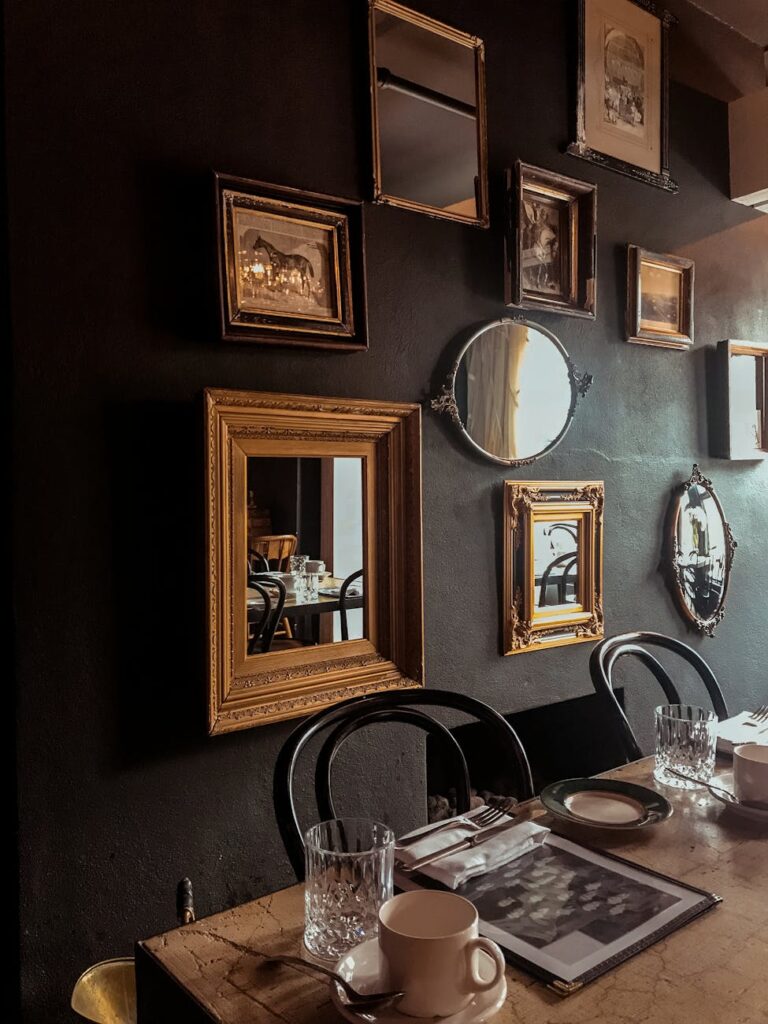
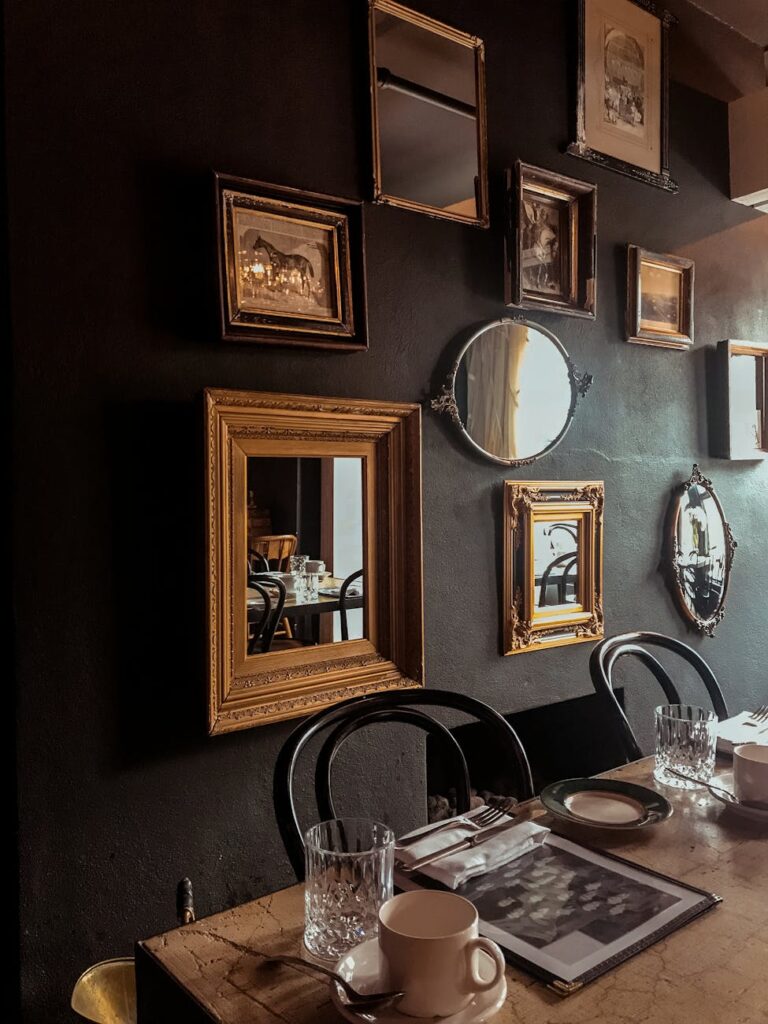
- Gallery Wall: A collection of framed art, photographs, or prints arranged cohesively. This allows for personalization and can tell a story. Mix sizes, orientations, and frame styles for an eclectic look, or keep them uniform for a sleek, modern feel.
- Large-Scale Art: A single, oversized piece of artwork can become a powerful focal point, setting the tone for the entire room.
- Murals or Wallpaper: A bold choice for an accent wall, a mural or striking wallpaper can dramatically transform the dining room, adding depth, texture, and a unique artistic statement.
7.2 Mirrors: Expanding Light and Space
Mirrors are not just for checking your reflection; they are powerful design tools. A large mirror or a collection of smaller mirrors can:
- Amplify Light: Reflect light from windows and dining room light fixtures, making the room brighter.
- Create Illusions of Space: Make a small dining room appear larger and more open by reflecting the room back.
- Add Glamour: Ornate frames can introduce a touch of elegance and sophistication.
7.3 Shelving and Display: Personal Touches
- Floating Shelves: Modern and minimalist, these are perfect for displaying a few curated decorative objects, small plants, or a collection of unique dishes.
- Built-in Shelving: If feasible, built-ins offer extensive display opportunities and a custom, architectural feel. They can house books, collectibles, or extra serving ware.
7.4 Textiles and Wall Hangings: Adding Warmth and Texture
- Tapestries and Macrame: Introduce bohemian flair, softness, and acoustic dampening.
- Decorative Plates: A classic dining room wall decor idea, arranging a collection of decorative plates can add charm and a personal touch.
- Fabric Panels: Can soften hard lines, add color, and improve acoustics.
7.5 Accent Walls: Color and Pattern Play
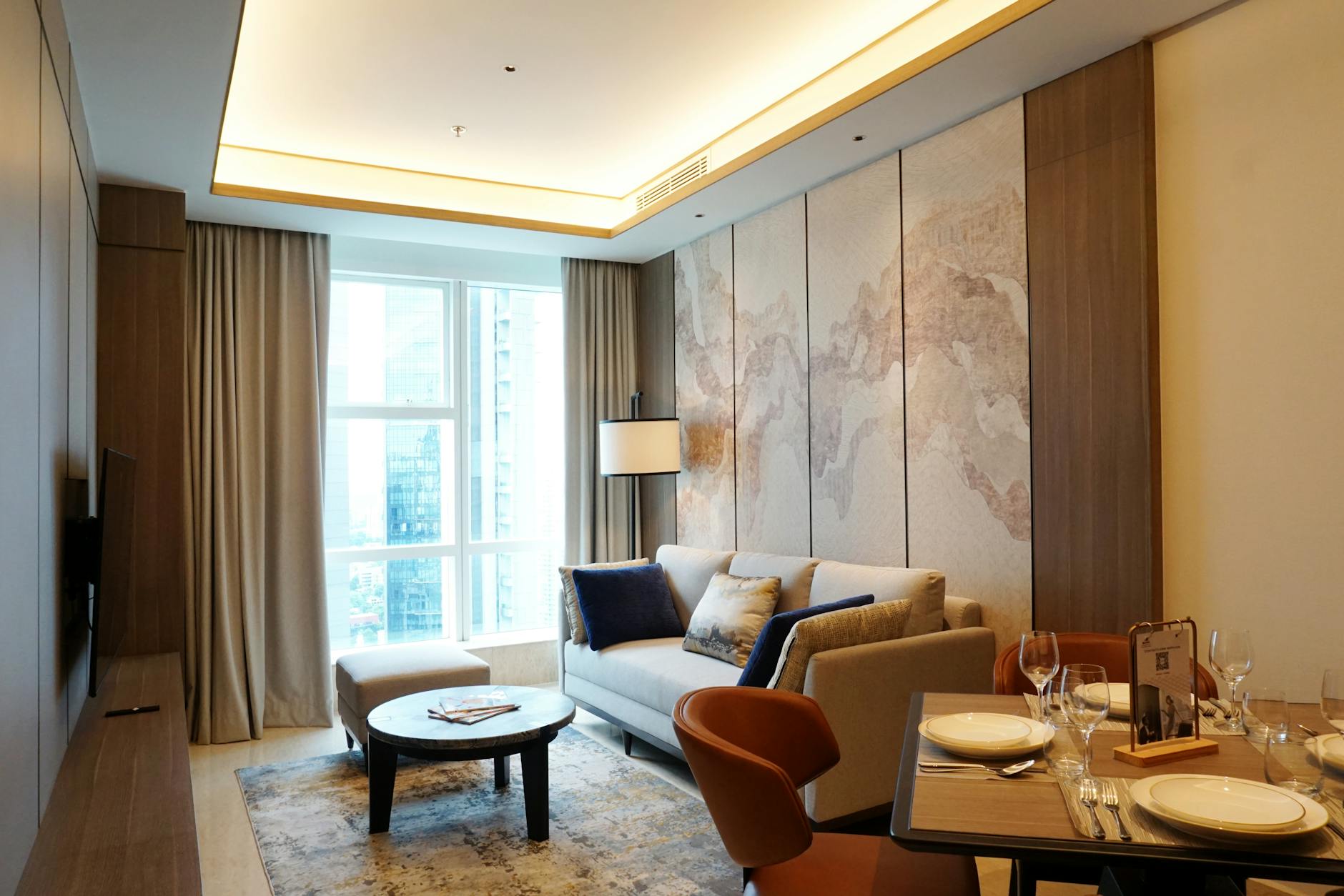
Designating one wall as an accent wall allows you to experiment with bold colors, textures (like shiplap or wainscoting), or a striking wallpaper pattern without overwhelming the entire space. This draws the eye and provides a fantastic backdrop for your dining room table set or dining room cabinet.
8. Bringing It All Together: A Cohesive Dining Room Design
Creating a beautiful dining room isn’t just about selecting individual pieces; it’s about making them work together in harmony. For a cohesive interior, pairing everything with a matching dining room table set or ensuring complementary elements is key.
8.1 Harmonizing Elements: Color Palettes and Textures
- Color Palette: Establish a primary color scheme (e.g., neutrals with one or two accent colors) and stick to it. Use these colors across your dining room rug, dining room chairs, dining room wall decor, and linens.
- Textures: Mix materials and textures to add depth and interest. Pair a smooth dining table with textured dining room chairs, a soft dining room rug with sleek metallic dining room light fixtures, and a polished dining room cabinet with organic wall art. This layered approach prevents the room from feeling flat.
8.2 Defining Your Style: Modern, Classic, Minimalist, Rustic, Eclectic
Whether your style is modern, classic, or minimalist, these inspirations help you build a dining room you’ll love.
- Modern: Clean lines, minimal ornamentation, geometric shapes, neutral palettes with pops of color, often incorporating glass, metal, and sleek wood finishes. Think linear dining room light fixtures and abstract art.
- Classic/Traditional: Rich wood tones, upholstered dining room chairs, ornate details, chandeliers, patterned dining room rugs, and formal dining room cabinets like china cabinets.
- Minimalist: Focus on simplicity, functionality, and uncluttered spaces. Limited color palette, essential furniture, and subtle textures. The dining tables dining room might be a simple, unadorned design.
- Rustic/Farmhouse: Natural wood, wrought iron, exposed elements, comfortable and slightly distressed finishes. Think sturdy dining room sets and warm, natural dining room rugs.
- Eclectic: A curated mix of different styles, eras, and textures that somehow works together. It requires a keen eye for balance and often centers around a common color thread or theme.
8.3 Personalizing Your Space: Adding Unique Touches
Once the foundation is set, infuse your personality.
- Table Linens: Napkins, placemats, and tablecloths offer an easy way to change the look and feel.
- Centerpieces: A rotating display of fresh flowers, candles, or sculptural objects can instantly update your dining table.
- Collectibles: Display items that are meaningful to you on your dining room cabinet or shelves.
- Artwork: Choose pieces for your dining room wall decor that resonate with you, regardless of current trends.
8.4 Flow and Functionality: Ensuring Practicality
Beyond aesthetics, ensure your dining room is practical. Is there enough clearance around the dining room table set for movement? Is the dining room cabinet accessible? Does the dining room lighting adequately illuminate the table for various activities? A beautiful room that isn’t functional won’t be truly loved.
9. Maintenance and Longevity: Keeping Your Dining Room Pristine
To ensure your investment in dining room sets, dining tables, dining room light fixtures, dining room rugs, dining room cabinets, dining room chairs, and dining room wall decor lasts, proper care is essential.
9.1 Caring for Your Furniture and Finishes
- Wood Tables and Chairs: Wipe regularly with a soft, dry cloth. Use coasters and placemats to protect against heat and moisture. Apply furniture polish or oil as recommended by the manufacturer.
- Glass Tables: Clean with a glass cleaner and a microfiber cloth to avoid streaks.
- Upholstered Chairs: Vacuum regularly to remove dust. Spot clean spills immediately with appropriate fabric cleaner. Consider professional cleaning periodically.
- Metal Finishes: Wipe with a damp cloth and dry thoroughly to prevent tarnishing or water spots.
9.2 Cleaning Tips for Rugs and Fixtures
- Dining Room Rugs: Vacuum frequently. Address spills immediately by blotting (not rubbing) with a clean cloth and a suitable rug cleaner. Professional cleaning is recommended annually, especially for high-traffic areas.
- Dining Room Light Fixtures: Dust regularly with a dry cloth or duster. For glass or crystal components, turn off the power, carefully remove, and wash with warm, soapy water, then dry thoroughly before reattaching.
10. Frequently Asked Questions (FAQs)
- Q1: How do I choose the right size dining room table?
- A1: Measure your dining area. You should have at least 36-48 inches of clearance between the edge of the dining table and any walls or other furniture to allow chairs to pull out comfortably and people to walk around. For example, if your room is 10×12 feet, a 6-foot rectangular table (36-42 inches wide) would be a good fit, leaving ample space.
- Q2: What’s the best lighting for a dining room?
- A2: The best dining room lighting involves layers. Start with a central overhead dining room light fixture (chandelier or pendants) that is dimmable. Supplement this with ambient lighting from wall sconces, floor lamps, or recessed lights, and consider accent lighting to highlight dining room wall decor or a dining room cabinet.
- Q3: Should the dining room rug extend beyond the chairs?
- A3: Yes, absolutely. The dining room rug should be large enough so that when the dining room chairs are pulled out from the dining tables dining room, all four legs of the chair still remain on the rug. A good rule of thumb is to have at least 24-36 inches of rug extending beyond the table on all sides.
- Q4: How can I make a small dining room feel larger?
- A4: Use a round or oval dining table to maximize space and flow. Opt for lighter colors on walls and furniture. Incorporate dining room light fixtures that aren’t too bulky, and consider a glass table top. Strategic placement of mirrors as dining room wall decor can also significantly expand the perception of space by reflecting light.
- Q5: What are common dining room design mistakes to avoid?
- A5: Common mistakes include choosing a dining table that’s too large or too small for the room, inadequate dining room lighting (only one overhead fixture), selecting a dining room rug that’s too small, and neglecting dining room wall decor which leaves the room feeling unfinished. Not considering the comfort of dining room chairs is another frequent oversight.
11. Conclusion: Your Dream Dining Room Awaits
Your dining room is a cornerstone of your home, a place where everyday meals become memorable gatherings. By carefully considering each element—from the foundational dining room sets and stylish dining tables to the captivating glow of beautiful dining room light fixtures and modern dining room lighting ideas—you can craft a space that perfectly suits your lifestyle and aesthetic vision.
Whether you’re adding texture and style with a perfect dining room rug (or choosing from a wide range of dining room rugs), ensuring organization with a sleek dining room cabinet, or mixing comfort with design using high-quality dining room chairs, every choice contributes to the overall ambiance. Completing your space using creative dining room wall decor ideas ties everything together, reflecting your unique taste.
At Upgrade your space, we are dedicated to helping you achieve this balance of comfort and elegance. Whether your style is modern, classic, or minimalist, the inspirations and high-quality selections available empower you to build a dining room you’ll love—a truly exceptional space for dining, entertaining, and making lasting memories.
Upgrade your space today and embark on the journey to create your dream dining room!