Craft Your Dream Dining Room Essentials and Style
Crafting Your Dream Dining Space: A Comprehensive Guide to Dining Room Essentials and Style
Estimated reading time: 16 minutes
Key Takeaways
- Foundation First: Start with selecting cohesive dining room sets, considering style, materials, and accurate sizing for your space.
- Table as Focal Point: Choose your dining table carefully based on shape, size, materials, and consider extendable options for versatility.
- Layered Lighting & Rugs: Employ a mix of dining room light fixtures for ambiance and functionality, and use a properly sized dining room rug to define the space and add warmth.
- Smart Storage & Comfort: Incorporate a functional dining room cabinet for organization and select high-quality, comfortable dining room chairs.
- Personalize with Decor: Finish your space with creative dining room wall decor and accessories to reflect your unique style and create a cohesive design.
Table of Contents
- Introduction: The Heart of the Home: Why Your Dining Room Matters
- The Foundation: Choosing the Perfect Dining Room Set
- The Centerpiece: Selecting Your Ideal Dining Tables Dining Room
- Illuminating Your Meals: Dining Room Lighting and Fixtures
- Grounding Your Design: The Perfect Dining Room Rug
- Smart Storage & Display: The Functional Dining Room Cabinet
- Comfort Meets Design: Selecting High-Quality Dining Room Chairs
- Personalizing Your Space: Creative Dining Room Wall Decor Ideas
- Bringing It All Together: Designing a Cohesive Dining Room
- FAQs about Designing Your Dining Room
- How high should a dining room light fixture hang above the table?
- How do I choose the right size rug for my dining room?
- Can I mix and match dining room chairs that aren’t part of a set?
- What’s the best way to clean a dining room rug?
- How do I ensure my dining room feels cohesive even with different elements?
- What are some budget-friendly dining room decor ideas?
- Conclusion: Your Dining Room, Reimagined
Introduction: The Heart of the Home: Why Your Dining Room Matters
The dining room is more than just a place to eat; it’s the heart of your home, a setting for memorable family gatherings, intimate dinners, and lively conversations. It’s where stories are shared, milestones are celebrated, and daily routines find a comforting rhythm. A well-designed dining room doesn’t just serve a functional purpose; it enhances your lifestyle, reflects your personality, and invites warmth and connection into your home.
In today’s fast-paced world, carving out a dedicated, beautiful space for meals can elevate the everyday into something special. Whether you envision a grand formal space or a cozy nook for casual dining, every element, from the grand dining room sets to the subtle accents of dining room wall decor, plays a crucial role in creating the desired atmosphere.
This comprehensive guide is designed to help you navigate the exciting journey of transforming your dining area. We’ll delve into everything you need to know, from selecting the perfect dining room table set and illuminating your space with stunning dining room light fixtures, to finding the ideal dining room rug and curating storage solutions with a functional dining room cabinet. We’ll also explore options for comfortable dining room chairs and inspiring ideas for dining room wall decor. Our goal is to provide you with the insights and inspirations to build a dining room you’ll truly love, a space that seamlessly blends comfort, elegance, and functionality.
The Foundation: Choosing the Perfect Dining Room Set
Upgrading your space often begins with the foundation: the furniture. A dining room set offers a cohesive and often convenient starting point, ensuring your key pieces – the table and chairs – are perfectly matched in style and finish.
Understanding Dining Room Sets
A typical dining room set includes a dining table and a matching number of dining room chairs, usually four to eight, depending on the table size. Some sets might also come with a matching dining room cabinet or bench. The primary benefit of choosing a set is instant cohesion. It eliminates the guesswork of matching individual pieces, guaranteeing a harmonious aesthetic that brings comfort and elegance to every meal from the outset.
Styles of Dining Room Sets
The style of your dining room set largely dictates the overall feel of your space. Consider your home’s existing aesthetic and your personal taste:
- Modern/Contemporary: Clean lines, minimalist designs, often featuring materials like glass, metal, and sleek wood finishes.
- Classic/Traditional: Ornate details, rich wood tones (like mahogany or cherry), often with upholstered dining room chairs and intricate carvings.
- Farmhouse/Rustic: Distressed wood, sturdy construction, often incorporating benches or cross-back chairs.
- Industrial: A mix of metal and raw wood, exposed hardware, and robust designs.
- Minimalist: Simple forms, neutral colors, and an emphasis on functionality over ornamentation.
- Transitional: A blend of classic and modern elements, offering versatility and timeless appeal.
Choosing a style for your dining room table set that resonates with you is key to creating a space you’ll cherish.
Material Matters for Dining Room Sets
The materials used in your dining room sets impact not just their look but also their durability and maintenance.
- Wood: Solid wood (oak, maple, walnut) is durable, beautiful, and can be refinished. Wood veneer offers a similar look at a lower cost.
- Metal: Steel or wrought iron frames provide strength and a modern or industrial edge.
- Glass: Offers an open, airy feel, making smaller spaces appear larger. Requires regular cleaning to prevent smudges.
- Mixed Materials: Many contemporary dining room sets combine elements like a glass top with a wooden base, or metal chairs with upholstered seats, creating unique visual interest.
Sizing Up Your Space: How to Measure for Your Dining Room Table Set
Before you commit to any dining room sets, accurate measurement is paramount. Ensure there’s enough room for your dining tables dining room and chairs, as well as adequate clearance for movement.
- Table Size: Allow at least 24 inches of table edge per person for comfortable dining.
- Chair Clearance: Ensure there’s at least 36-48 inches between the edge of the table and any walls or other furniture. This allows people to comfortably pull out their dining room chairs and sit down.
- Room Flow: Consider walking paths around the table.
Proper planning for your dining room table set ensures a functional and comfortable layout, making every meal a pleasure.
The Centerpiece: Selecting Your Ideal Dining Tables Dining Room
While the entire dining room set is important, the dining table itself holds a special place as the undisputed focal point. It’s where memories are made, meals are shared, and conversations flow. Selecting the right dining tables dining room is crucial for both aesthetics and functionality.
Shapes and Sizes of Dining Tables
The shape of your dining tables dining room can significantly impact the dynamics of the space and the intimacy of interactions.
- Rectangular Tables: The most common shape, versatile for many room layouts. Excellent for seating more people and often comes with extension leaves.
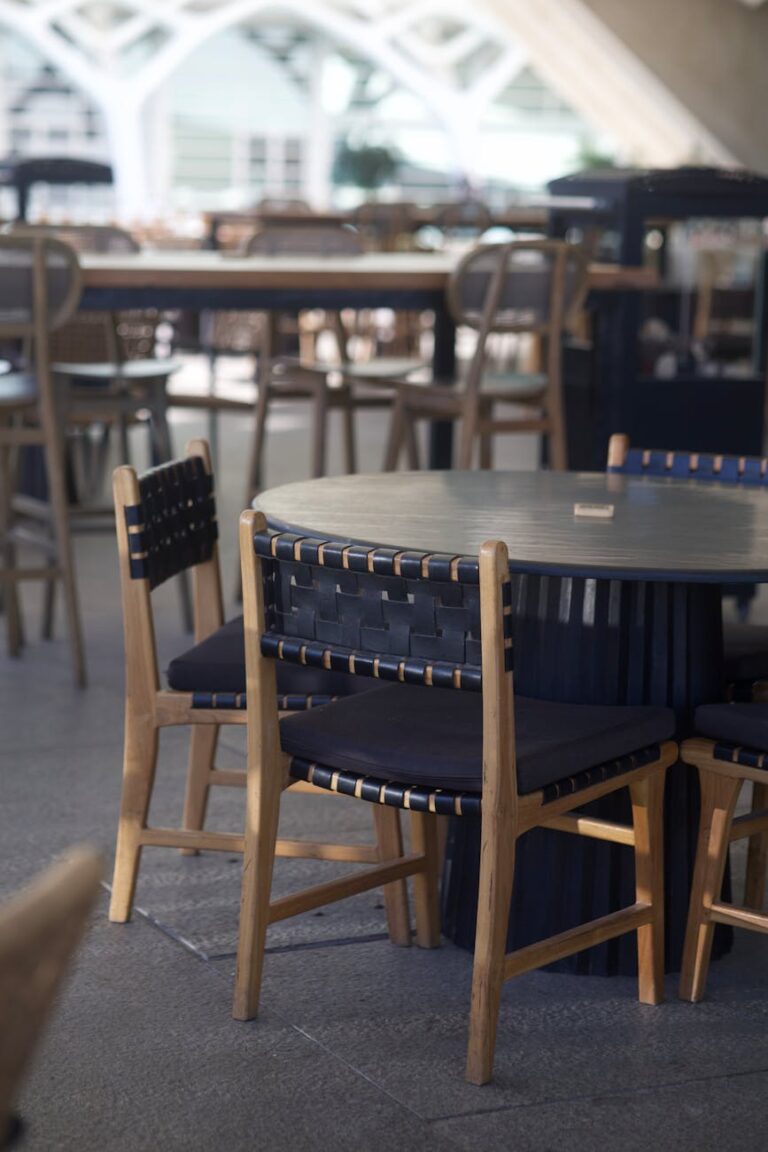
- Round Tables: Promote conversation as everyone is equidistant. Ideal for smaller rooms or square dining areas, fostering a cozy, inclusive atmosphere.
- Square Tables: Similar to round tables in promoting intimacy, but better suited for square rooms. Can often be pushed together to form a larger rectangular table.
- Oval Tables: Offer the elongated seating of a rectangular table with the softer edges of a round one, making them visually appealing and good for traffic flow in smaller spaces.
When considering dining tables dining room, always think about the number of people you typically host versus your maximum capacity for special occasions.
Materials and Finishes for Dining Tables
The material of your dining tables dining room not only defines its look but also its durability and how much care it will require.
- Solid Wood: Timeless and robust (oak, maple, walnut, cherry). It can be sanded and refinished, making it a long-term investment.
- Glass: Modern, elegant, and creates an illusion of space. Requires frequent cleaning.
- Marble/Stone: Luxurious and sophisticated, offering unique patterns. Can be prone to staining and etching if not properly sealed.
- Metal: Industrial chic, durable, and often used for bases or accents.
- Laminate/Engineered Wood: More budget-friendly, often resistant to scratches and stains, available in various finishes.
- Concrete: Contemporary and incredibly durable, offers an industrial or minimalist aesthetic.
Each material has its own character and demands, so choose one that aligns with your lifestyle and maintenance preferences.
Extendable Dining Tables: Flexibility for Every Occasion
For homes that host varying numbers of guests, an extendable dining table is a game-changer. These tables offer incredible versatility, allowing you to expand your seating capacity for large gatherings and then revert to a smaller size for daily use.
- Butterfly Leaf: Stores the extension leaf within the table, making it easy to deploy.
- Removable Leaf: Leaves are stored separately and inserted into the table.
- Drop-Leaf: Sides of the table can be raised or lowered.
An extendable dining tables dining room truly offers the best of both worlds, ensuring you’re always prepared to bring comfort and elegance to every meal, big or small.
Illuminating Your Meals: Dining Room Lighting and Fixtures
The right lighting can transform a dining room from ordinary to extraordinary, setting the mood for every occasion. Dining room lighting is not just about brightness; it’s about creating an atmosphere. Explore beautiful dining room light fixtures and modern dining room lighting ideas that brighten your space while creating a warm atmosphere.
The Importance of Dining Room Lighting
Effective dining room lighting serves multiple purposes:
- Ambiance: It sets the mood, from bright and lively for brunch to warm and intimate for dinner parties.
- Functionality: Good lighting ensures diners can see their food and each other clearly.
- Aesthetic Impact: Dining room light fixtures are often a key decorative element, acting as a visual anchor above the table.
- Layered Lighting: The best dining rooms employ a mix of ambient (general), task (focused), and accent (decorative) lighting.
Choosing the Right Dining Room Light Fixtures
The type of dining room light fixtures you choose will significantly impact the room’s character.
- Chandeliers: The classic choice for a formal dining room, available in myriad styles from traditional crystal to modern geometric designs. They make a statement and serve as a central decorative element.
- Pendant Lights: A more contemporary alternative to chandeliers, especially linear pendants for rectangular dining tables. Multiple smaller pendants can also create an interesting visual effect.
- Flush Mount/Semi-Flush Mount: Ideal for rooms with lower ceilings where a hanging fixture might obstruct views or traffic.
- Sconces: Wall-mounted fixtures that add ambient light and decorative flair, complementing the main overhead light.
- Recessed Lighting: Provides general illumination without being visually intrusive, great for blending into the ceiling.
When exploring dining room lighting, consider dimmable options to easily adjust the intensity for different occasions.
Modern Dining Room Lighting Ideas
Modern dining room lighting ideas embrace innovation in design and technology.
- Linear Suspension Fixtures: Perfect for long rectangular dining tables, providing even illumination and a sleek, contemporary look.
- Oversized Fixtures: A bold statement piece that commands attention and adds drama. Ensure it’s proportionate to your table and room size.
- Sculptural Designs: Lighting that doubles as art, featuring unique shapes, materials, and arrangements.
- Smart Lighting: Integrate smart bulbs or systems that allow you to control brightness and color temperature from your phone, adapting the mood with ease.
Placement and Sizing of Dining Room Lighting
Proper placement of your dining room light fixtures is critical for both aesthetics and functionality.
- Height Above Table: Generally, the bottom of the fixture should be 30-36 inches above the tabletop. This allows for ample light without obstructing views or bumping heads. Adjust for very high ceilings.
- Fixture Size Relative to Table Size: The fixture’s width or diameter should typically be one-half to two-thirds the width of your dining table. For rectangular tables, ensure the fixture is not longer than two-thirds of the table’s length.
Thoughtful dining room lighting will not only brighten your space but also create a warm and inviting atmosphere.
Grounding Your Design: The Perfect Dining Room Rug
Just as artwork defines a wall, a dining room rug defines the floor, grounding your furniture and adding essential layers of texture, color, and warmth. Add texture and style with a perfect dining room rug—or choose from a wide range of dining room rugs to complete the look.
Why You Need a Dining Room Rug
A well-chosen dining room rug offers numerous benefits:
- Defines the Space: In open-concept living, a rug clearly delineates the dining area.
- Adds Warmth and Comfort: Softens hard flooring and provides a comfortable surface underfoot.
- Absorbs Sound: Helps dampen echoes, making conversations more enjoyable.
- Protects Floors: Shields your flooring from scratches, spills, and wear from dining room chairs being pulled in and out.
- Enhances Aesthetics: Introduces color, pattern, and texture, tying the room’s elements together.
Sizing Your Dining Room Rugs
The most common mistake when choosing a dining room rug is selecting one that is too small.
- Rule of Thumb: Your dining room rug should extend at least 24-36 inches beyond the edges of your dining table on all sides. This ensures that when chairs are pulled out, their back legs still remain on the rug.
- Common Rug Sizes: For a standard 6-8 seater rectangular table (72-84 inches long), an 8×10 or 9×12 foot rug is usually appropriate. For round tables, a round rug that allows for the 24-36 inch clearance is ideal.
- Consider Traffic Flow: Ensure the rug doesn’t impede doorways or extend too far into other walking areas.
Correctly sizing your dining room rugs is crucial for both functionality and visual balance.
Materials for Dining Room Rugs
Given the high-traffic and spill-prone nature of a dining room, material choice is key.
- Wool: Durable, soft, naturally stain-resistant (to a degree), and available in a wide array of colors and patterns. A classic choice for dining room rugs.
- Synthetic (Polypropylene, Nylon): Highly durable, stain-resistant, easy to clean, and often more budget-friendly. Excellent for busy households.
- Natural Fibers (Jute, Sisal, Seagrass): Offer a natural, earthy texture. Durable but can be rough underfoot and harder to clean if spills occur.
- Cotton: Soft and washable, but may not be as durable as wool or synthetics for heavy use.
Choose a material that can withstand the demands of your household and is easy to maintain.
Styles and Patterns for Dining Room Rugs
Your dining room rug is an opportunity to express style and tie in your decor.
- Solid Colors: Offer a serene backdrop and allow other elements like dining room wall decor or the dining table set to stand out.
- Geometric Patterns: Add a modern edge and visual interest.
- Traditional/Persian Designs: Bring elegance, warmth, and a sense of history.
- Abstract/Contemporary Patterns: Can introduce a touch of artistic flair and color.
- Texture: A textured rug, even in a solid color, adds depth and richness to the space.
Whether you choose a vibrant pattern or a subtle texture, a perfect dining room rug completes the look, adding warmth and style.
Smart Storage & Display: The Functional Dining Room Cabinet
A dining room cabinet is more than just a piece of furniture; it’s a multi-functional hero, offering essential storage, serving space, and an opportunity for display. Keep your space organized and functional with a sleek dining room cabinet.
Purpose of a Dining Room Cabinet
A dedicated dining room cabinet serves several vital roles in a well-appointed dining space:
- Storage: The primary function is to store dining essentials like dinnerware, glassware, serving platters, tablecloths, and cutlery, keeping them organized and easily accessible.
- Display: Glass-front cabinets or open shelves within a cabinet provide an ideal spot to showcase cherished heirlooms, decorative plates, or beautiful barware.
- Buffet/Serving Station: The top surface of a sideboard or buffet often doubles as a convenient space for serving food, setting up a bar, or displaying a centerpiece during meals.
- Organizational Hub: Helps declutter the dining room, ensuring everything has its place.
Types of Dining Room Cabinets
Several types of dining room cabinet offer different storage and aesthetic benefits:
- Sideboard/Buffet: A long, low cabinet with storage drawers and/or cupboards. Ideal for serving and general storage, and often found below a mirror or artwork.
- Credenza: Similar to a sideboard but typically longer and lower, often used in more modern settings.
- Hutch: A two-piece unit where a cabinet with glass doors or open shelves sits atop a lower buffet or sideboard. Excellent for both storage and display.
- China Cabinet: Traditionally used for displaying fine china and crystal, often featuring glass doors and interior lighting.
- Bar Cabinet: Smaller, specialized cabinets designed to store barware, bottles, and cocktail accessories.
Choose the type of dining room cabinet that best suits your storage needs and the scale of your room.
Style and Material Considerations
To achieve a cohesive interior, your dining room cabinet should complement your other dining room furniture, especially your dining room table set.
- Matching Existing Furniture: Often, a dining room cabinet is purchased as part of dining room sets to ensure perfect coordination.
- Complementary Styles: You can also choose a cabinet in a complementary style or finish to add visual interest without clashing. For example, a modern white lacquer buffet in a predominantly minimalist room, or a rustic wooden sideboard in a farmhouse-inspired space.
- Materials: Wood (solid, veneer) is the most common, offering warmth and durability. Glass fronts add elegance and allow for display. Metal accents or frames can introduce an industrial or contemporary touch.
A sleek dining room cabinet not only keeps your space organized and functional but also adds to the overall elegance of your dining area.
Comfort Meets Design: Selecting High-Quality Dining Room Chairs
The comfort and style of your dining room chairs are paramount to a positive dining experience. While often part of dining room sets, selecting individual chairs or thoughtful pairings can inject personality and ensure ultimate comfort. Mix comfort with design using high-quality dining room chairs.
Beyond the Set: Why Individual Dining Room Chair Choices Matter
While buying a dining room table set ensures a unified look, choosing individual dining room chairs opens up a world of design possibilities.
- Mixing and Matching: This trend allows you to combine different chair styles, colors, or materials around your dining table, adding an eclectic and personalized touch.
- Ergonomics and Comfort: Investing in high-quality dining room chairs means prioritizing comfort, which is especially important for long meals or gatherings. Good lumbar support and cushioning can make a significant difference.
- Expressing Personality: Your chair choices are a prime opportunity to reflect your unique aesthetic, whether it’s through a bold color, an unusual shape, or a mix of vintage and modern pieces.
Styles of Dining Room Chairs
The array of dining room chair styles is vast, catering to every design preference:
- Upholstered Chairs: Offer maximum comfort and can introduce luxurious fabrics, patterns, and colors.
- Wooden Chairs: Timeless and durable, available in classic designs (Windsor, Ladderback) or modern, minimalist forms.
- Metal Chairs: Provide an industrial, modern, or even chic bistro look, often with slatted backs or open designs.
- Parsons Chairs: Simple, armless, and fully upholstered, offering a clean and sophisticated profile.
- Mid-Century Modern Chairs: Characterized by organic shapes, sleek lines, and often a mix of wood and upholstery or molded plastics.
- Bentwood Chairs: Elegant and lightweight, with a classic European cafe feel.
Consider how the chair style harmonizes with your dining table and the overall room aesthetic.
Materials for Dining Room Chairs
The material of your dining room chair affects its look, feel, and maintenance.
- Fabric Upholstery: Offers comfort and a vast choice of colors and patterns. Consider performance fabrics for stain resistance in a dining room.
- Leather/Faux Leather: Durable, easy to clean, and adds a touch of luxury. Develops a beautiful patina over time.
- Solid Wood: Strong and classic. Can be stained, painted, or left natural.
- Plastic/Polypropylene: Modern, lightweight, easy to clean, and comes in various vibrant colors.
- Cane/Rattan: Adds natural texture and a relaxed, bohemian, or coastal vibe.
- Metal: Used for frames, often paired with wood or upholstered seats.
When choosing dining room chairs, think about how often they’ll be used and the level of maintenance you’re willing to commit to.
Ensuring Comfort and Fit
Even the most beautiful dining room chair won’t be loved if it’s uncomfortable or doesn’t fit well with your table.
- Seat Height: The standard seat height is around 18 inches, allowing for approximately 10-12 inches between the top of the seat and the underside of the table apron for comfortable legroom.
- Seat Depth: Ensure the seat is deep enough for comfortable sitting without cutting off circulation behind the knees.
- Back Support: Look for chairs with good back support, especially if you anticipate long conversations around the table.
- Arm vs. Armless Chairs: Armchairs offer more comfort but take up more space and may not slide fully under all tables. Armless chairs are more versatile and save space.
By mixing comfort with design using high-quality dining room chairs, you create an inviting space where guests will want to linger.
Personalizing Your Space: Creative Dining Room Wall Decor Ideas
Once your furniture, lighting, and rug are in place, it’s time to add the finishing touches that truly personalize your space. Dining room wall decor is your opportunity to infuse character, color, and visual interest into the room, completing your space using creative dining room wall decor ideas.
The Power of Dining Room Wall Decor
Walls in a dining room are like a blank canvas, waiting to tell a story or set a mood. Thoughtful dining room wall decor can:
- Add Personality: Showcase your style, interests, and memories.
- Introduce Color and Texture: Complement your overall color scheme and add depth.
- Create a Focal Point: A large piece of art or a striking gallery wall can draw the eye and anchor the room.
- Enhance Ambiance: Decor can make a room feel more intimate, grand, or playful.
- Define Zones: In open-plan spaces, wall decor can help delineate the dining area.
Popular Dining Room Wall Decor Options
The possibilities for dining room wall decor are endless:
- Artwork:
- Large-Scale Art: A single, oversized piece above a sideboard can make a dramatic statement.
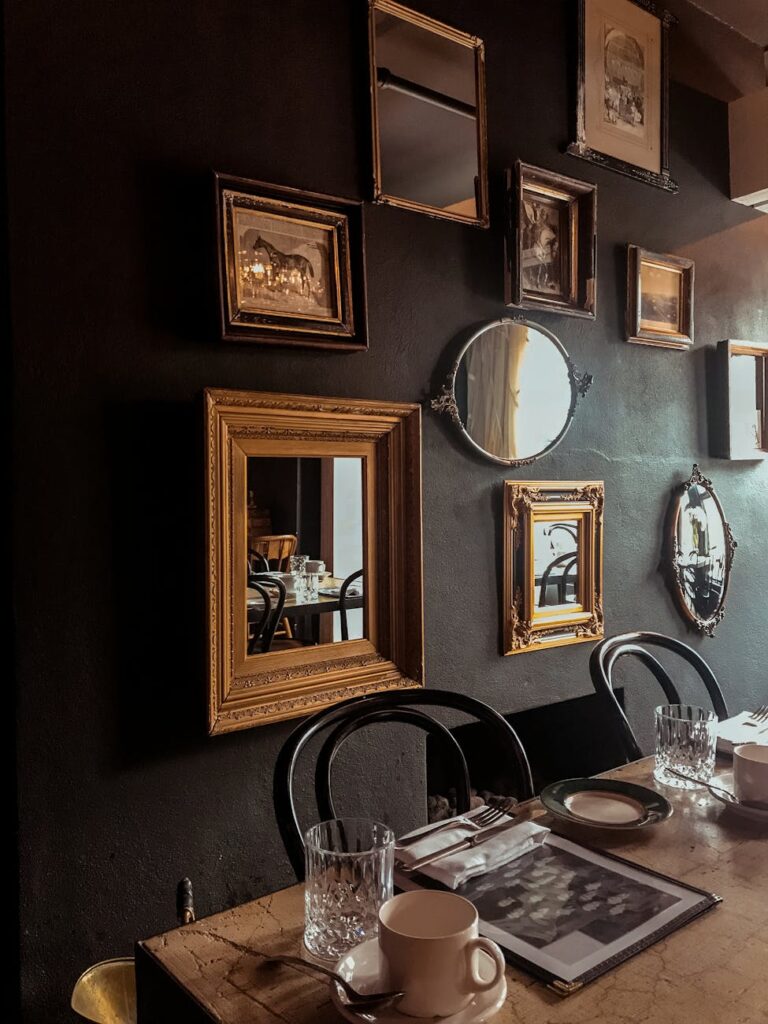
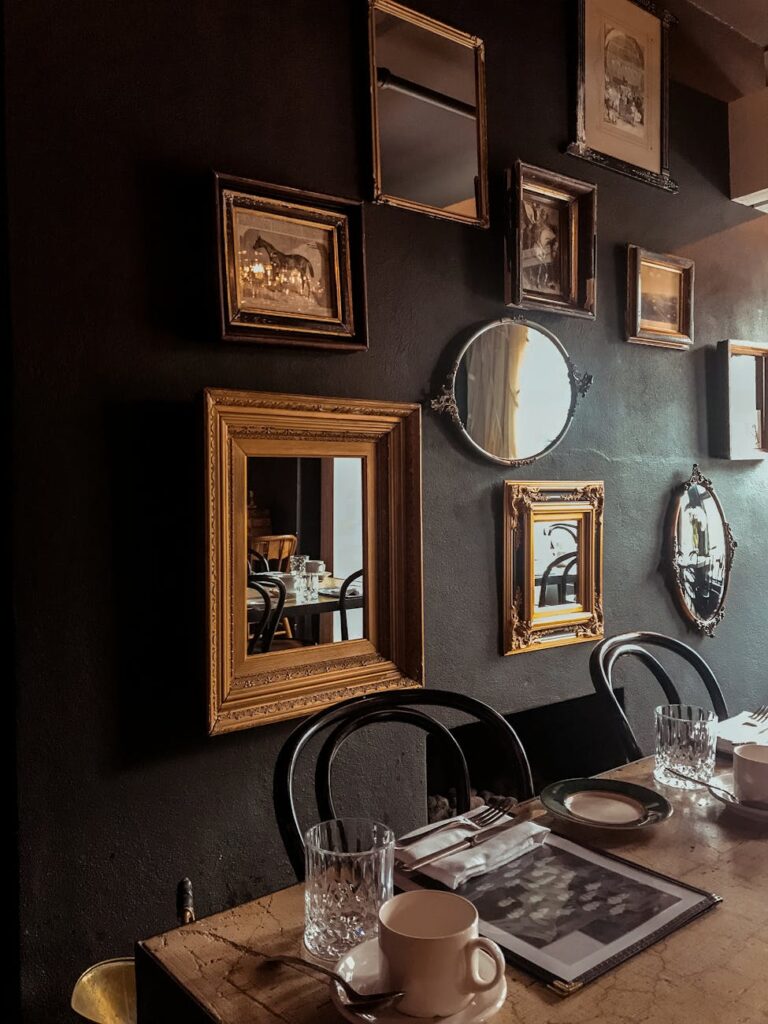
- Gallery Walls: A curated collection of framed prints, photos, or mixed media art creates a dynamic display. Vary sizes and frames for visual interest.
- Mirrors:
- Decorative Mirrors: Reflect light, making the room feel brighter and more spacious. Choose an ornate or uniquely shaped mirror for an artistic touch.
- Leaning Mirrors: For a casual, contemporary feel.
- Shelving:
- Floating Shelves: Display decorative objects, small plants, or a collection of special dishware.
- Built-in Shelving: Offers integrated storage and display opportunities.
- Wallpaper or Accent Walls:
- Patterned Wallpaper: Can add significant texture and pattern.
- Bold Paint Color: A single accent wall painted in a rich, contrasting color can create depth.
- Clocks: A stylish oversized clock can be both functional and decorative.
- Tapestries/Textile Art: Add softness, warmth, and a unique global or bohemian touch.
- Architectural Elements: Consider decorative molding, wainscoting, or even faux brick for added texture.
Curating a Cohesive Look
When choosing your dining room wall decor, keep the overall design of your space in mind.
- Scale: Ensure your decor is proportionate to the wall space and your furniture. A tiny picture on a large wall will look lost.
- Color Palette: Select pieces that either match or beautifully complement the existing colors in your dining room set, rug, and lighting.
- Theme/Style: If your room has a modern minimalist vibe, choose sleek, abstract art. For a classic feel, opt for traditional landscapes or portraits.
- Personal Touch: Incorporate items that are meaningful to you, making the space truly yours.
By using creative dining room wall decor ideas, you can complete your space, adding that final layer of polish and personality that makes your dining room truly special.
Bringing It All Together: Designing a Cohesive Dining Room
Creating a stunning dining room isn’t just about picking individual pieces; it’s about seamlessly integrating them to form a cohesive, inviting space. For a cohesive interior, pair everything with a matching dining room table set and complete your space using creative dining room wall decor ideas.
Start with a Vision
Before making any purchases, envision the mood and style you want to achieve.
- Define Your Style: Do you lean towards modern, classic, minimalist, industrial, bohemian, or something eclectic? Let this guide all your choices, from dining room sets to dining room lighting.
- Gather Inspiration: Look at magazines, Pinterest, and design blogs. Create a mood board to visualize how different elements like your dining room rug and dining room cabinet will work together.
Color Palette Harmony
A well-planned color scheme is fundamental to a cohesive interior.
- Choose a Dominant Color: This is often derived from your walls or your largest furniture piece, like a dining room table set.
- Select Accent Colors: Introduce 1-2 complementary or contrasting colors through elements like dining room chairs, dining room rug, dining room wall decor, or accessories.
- Consider the Flow: Ensure your dining room’s color palette harmonizes with adjacent rooms, especially in open-concept layouts.
Balancing Functionality and Aesthetics
A beautiful dining room must also be practical.
- Traffic Flow: Ensure there’s ample space to move around the dining tables dining room and for dining room chairs to be pulled out comfortably.
- Storage Needs: Plan for a functional dining room cabinet to keep essentials organized and out of sight.
- Lighting Layers: Combine overhead dining room light fixtures with ambient and accent lighting for versatility.
The Art of Accessorizing
Accessories are the final touches that bring a room to life.
- Table Centerpieces: A beautiful vase with fresh flowers, a sculptural bowl, or a series of candles can elevate your dining table.
- Serveware and Linens: Choose placemats, napkins, and serving dishes that complement your decor.
- Plants and Greenery: Introduce living elements for freshness and a touch of nature.
- Personal Objects: Display items with sentimental value on your dining room cabinet or shelves.
By thoughtfully pairing everything from your dining room table set to your dining room wall decor, you can create a truly cohesive and inviting dining room. Whether your style is modern, classic, or minimalist, these inspirations help you build a dining room you’ll love.
FAQs about Designing Your Dining Room
How high should a dining room light fixture hang above the table?
Generally, the bottom of a dining room light fixture (like a chandelier or pendant) should hang between 30 to 36 inches above the tabletop. This height provides ample light without obstructing views across the table or people bumping their heads. For very high ceilings, you might go slightly higher, but always prioritize comfortable visibility and light dispersion.
How do I choose the right size rug for my dining room?
A dining room rug should be large enough so that when all dining room chairs are pulled out, their back legs remain on the rug. A good rule of thumb is for the rug to extend at least 24 to 36 inches beyond all sides of your dining table. For a rectangular table, an 8×10 ft or 9×12 ft rug is often suitable. For a round table, choose a round rug that allows for the same clearance.
Can I mix and match dining room chairs that aren’t part of a set?
Absolutely! Mixing and matching dining room chairs is a popular design trend that adds personality and an eclectic feel to your dining room. You can mix different styles, materials, or colors, but ensure there’s a unifying element – perhaps a consistent height, a shared color accent, or a similar level of formality – to maintain a cohesive look. For instance, keep the two head chairs different while the side chairs match, or alternate two different chair styles around the table.
What’s the best way to clean a dining room rug?
The best way to clean a dining room rug depends on its material. For everyday maintenance, vacuum regularly. For spills, blot immediately with a clean cloth, avoiding rubbing. For synthetic rugs (like polypropylene), a mild detergent and water solution often works well for spot cleaning. Wool rugs may require specific wool-safe cleaners or professional cleaning for tougher stains. Natural fiber rugs like jute or sisal are more resistant to water and require dry cleaning methods for spills to prevent damage. Always check the manufacturer’s care instructions.
How do I ensure my dining room feels cohesive even with different elements?
To ensure cohesion when mixing different elements (e.g., a vintage dining room table with modern dining room chairs or an eclectic mix of dining room wall decor), focus on unifying factors:
- Color Palette: Stick to a consistent color scheme, even if you introduce varying shades.
- Repetition: Repeat certain shapes, materials, or textures throughout the room. For example, if your dining room light fixtures have a metallic finish, incorporate that metal in your chair legs or a dining room cabinet hardware.
- Scale and Proportion: Ensure all pieces are appropriately sized relative to each other and the room.
- Overall Style: Even with mixed elements, aim for a dominant style that ties everything together. A “modern eclectic” room still has a modern underpinning.
What are some budget-friendly dining room decor ideas?
- DIY Wall Art: Create your own art, print free large-scale prints, or frame family photos for personalized dining room wall decor.
- Thrift Store Finds: Hunt for unique dining room chairs, a vintage dining room cabinet, or decorative items that can be upcycled with a fresh coat of paint.
- Greenery: Add affordable potted plants or fresh flowers as a centerpiece to bring life and color.
- Linens: Update your tablecloth, placemats, or napkins to instantly change the mood and color scheme.
- Paint: A fresh coat of paint or an accent wall can dramatically transform the space without a high cost.
- Candles: Use candles for ambient lighting and a warm, inviting atmosphere.
Conclusion: Your Dining Room, Reimagined
Your dining room is a cornerstone of your home, a place where everyday meals become cherished memories and special occasions are elevated into unforgettable experiences. Throughout this guide, we’ve explored how each element—from the robust elegance of dining room sets and the functional beauty of dining tables dining room, to the warm glow of dining room light fixtures and the grounding comfort of dining room rugs—contributes to a space that is both practical and profoundly personal.
We’ve delved into the organizational prowess of a sleek dining room cabinet, emphasized the importance of comfort and style in your dining room chairs, and offered creative ways to personalize your walls with thoughtful dining room wall decor. The journey of designing your dining room is about blending these components to create a harmonious whole, ensuring that every detail reflects your taste and lifestyle.
Whether your style is modern, classic, or minimalist, the inspirations shared here are designed to help you build a dining room you’ll truly love. A well-curated dining space doesn’t just look good; it feels good, inviting connection, celebrating community, and making every meal an occasion. Take these ideas, embrace your creativity, and embark on the exciting adventure of transforming your dining room into the heart of your home, a space filled with comfort, elegance, and endless possibilities.