Master Event and Holiday Decor Your Complete Guide
The Ultimate Guide to Event & Holiday Decor: From DIY Charm to Professional Grandeur
Estimated reading time: 17 minutes
Key Takeaways
- Transformative Power of Decor: Event and holiday decor are crucial for converting spaces into unforgettable experiences, setting atmosphere, conveying messages, and evoking emotions.
- Comprehensive Event Decor Strategies: Learn about theme selection, color palettes, venue considerations, and creative techniques like lighting, fabric draping, centerpieces, and balloon arrangements for effective event decoration.
- Pathways to Professionalism: Explore careers in event decorating, including job roles, essential skills, and the benefits of formal event decorating classes and specialized event decoration courses, along with global insights and supplier reliability.
- Festive Holiday Transformations: Discover smart shopping for holiday decor on sale, honor traditions with Kwanzaa holiday decorations, and explore diverse ideas for holiday door decorating, decorating holiday cookies, cubicle decorations, table decorations, and winter wonderland themes.
- Grand Scale & Commercial Decor: Understand the appeal of blow mold holiday decorations and the strategic importance, safety considerations, and professional services involved in commercial outdoor holiday decorations.
Table of Contents
- The Ultimate Guide to Event & Holiday Decor: From DIY Charm to Professional Grandeur
- The Art of Event Decorating: Transforming Spaces into Experiences
- Professional Pathways in Event Decor
- Exploring Event Decorator Jobs: A Career in Creativity
- Sharpening Your Skills: Event Decorating Classes and Courses
- Advanced Learning: Event Decoration Courses for Specialization
- Global Perspectives: Insights from a Decoradora de Eventos
- Industry Insights: Event Decor Direct Reviews and Perch Event Decor
- Festive Transformations: Celebrating with Holiday Decor
- Spreading Joy in Every Corner: Beyond Traditional Holiday Spaces
- Grand Scale Celebrations: Outdoor and Commercial Holiday Decorations
- FAQs about Event and Holiday Decor
- Conclusion
The Ultimate Guide to Event & Holiday Decor: From DIY Charm to Professional Grandeur
In a world increasingly driven by experiences, the power of visual appeal cannot be overstated. Whether it’s a momentous personal celebration, a high-stakes corporate gathering, or the joyful anticipation of a holiday season, the right decor has the transformative ability to convert mere spaces into unforgettable experiences. Decoration is more than just aesthetics; it’s about crafting an atmosphere, conveying a message, and evoking emotions. It sets the stage, tells a story, and invites engagement, making every moment more vibrant and memorable.
This comprehensive guide delves deep into the multifaceted world of event and holiday decoration. We’ll journey from the initial spark of an idea to the grand execution, covering everything from intimate DIY event decor projects to the intricate demands of professional event decorating. For those aspiring to turn their passion into a profession, we’ll explore avenues like event decorator jobs, event decorating classes, and event decoration courses, even touching upon global perspectives with insights from a decoradora de eventos. We’ll also review industry resources and trusted names like Event Decor Direct reviews and Perch Event Decor.
Beyond events, we’ll immerse ourselves in the magic of seasonal transformations. Discover how to find holiday decor on sale, honor traditions with Kwanzaa holiday decorations, and infuse your surroundings with cheer through holiday door decorating and Christmas holiday door decorating ideas. From the delightful art of decorating holiday cookies to sprucing up workspaces with holiday cubicle decorations, enhancing dining with table holiday decorations, and creating enchanting winter wonderland holiday decor, we’ve got every festive detail covered. We’ll even explore the impressive scale of blow mold holiday decorations and commercial outdoor holiday decorations that leave a lasting impression.
By the end of this article, you’ll be equipped with a wealth of decoration event ideas, practical event decorating tips, and endless decor event inspiration, empowering you to create truly spectacular and deeply resonant environments for any occasion, year-round.
The Art of Event Decorating: Transforming Spaces into Experiences
Events, by their very nature, are designed to be special, moments that stand out from the everyday. The foundation of a successful event lies not just in its purpose or its attendees, but profoundly in its presentation. Event decorating is the art of translating a vision into a tangible, sensory experience. It’s about setting the stage, influencing moods, and creating a backdrop that complements and elevates the core purpose of the gathering. A beautifully decorated space doesn’t just look good; it feels good, inviting guests to immerse themselves fully in the occasion.
Understanding the Basics of Decoration Event Planning
Successful decoration event planning begins long before the first centerpiece is placed or the first light is strung. It’s a strategic process that aligns aesthetic choices with the event’s objectives and atmosphere.
- Theme Selection: This is the bedrock of your decor. A well-chosen theme provides a cohesive direction for all subsequent decisions. It could be a specific era (e.g., Roaring Twenties), a concept (e.g., enchanted forest, celestial night), a cultural celebration, or even a simple color scheme. The theme should resonate with the event’s purpose and the host’s personality, ensuring that every element contributes to a unified narrative.
- Color Palettes: Colors evoke powerful emotions and set the overall tone. A vibrant palette might be perfect for a lively birthday party, while a sophisticated monochromatic scheme suits a formal gala. Consider the psychological impact of colors – warm tones for energy, cool tones for tranquility – and how they interact within the chosen theme.
- Venue Considerations: The venue itself is a critical decorative element. Its existing architecture, lighting, and size dictate what is possible and what will look best. High ceilings allow for dramatic draping and grand installations, while smaller spaces might benefit from minimalist decor to avoid overcrowding. Always consider the venue’s inherent style; an ornate ballroom requires a different approach than a modern loft or an outdoor garden. Understanding the layout, entry points, and focal areas helps strategically plan where decor will have the most impact.
- Importance of Mood and Ambiance: Beyond just looking good, decor must contribute to the desired mood. Is it whimsical, romantic, professional, celebratory, or solemn? Lighting plays a crucial role here, as do textures, music, and even scent. The decor should seamlessly guide guests through the event, from a welcoming entrance to a captivating main area, ensuring a consistent and delightful experience.
Creative Event Decorating Techniques for Every Occasion
Once the foundational planning is complete, it’s time to explore the vast array of event decorating techniques that can bring your vision to life. The key is to select techniques that align with your theme, budget, and desired impact.
- Lighting: Uplighting, Fairy Lights, Chandeliers: Lighting is arguably the most impactful decorative element, capable of transforming any space.
- Uplighting: Washes walls and architectural features in color, dramatically altering the room’s mood and making even plain walls feel sophisticated.
- Fairy Lights/String Lights: Add a magical, whimsical, or romantic glow. They can be draped across ceilings, wrapped around pillars, or incorporated into backdrops.
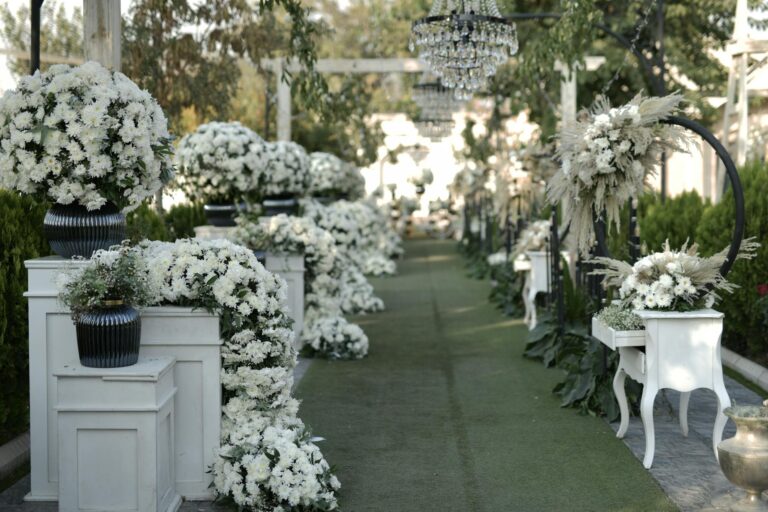
- Chandeliers: Provide a touch of grandeur and elegance, acting as stunning focal points. Modern versions can also add a contemporary edge.
- Gobo Projectors: Project custom images or patterns onto surfaces, adding personalized branding or thematic elements.
- Pin Spotting: Highlights specific decor elements like centerpieces or a cake, making them pop.
- Fabric Draping: Walls, Ceilings, Tables: Fabric brings softness, texture, and a luxurious feel.
- Wall Draping: Conceals unattractive walls, creates a cohesive backdrop, and can entirely transform a functional space into an elegant ballroom.
- Ceiling Draping: Adds height, drama, and a sense of enclosure, particularly effective in large, open venues or tents.
- Table Draping/Linens: Elevates standard tables. Specialty linens, overlays, and runners introduce color, texture, and patterns, turning a utilitarian surface into part of the decor.
- Centerpieces: Floral, Thematic, Modern: Centerpieces are crucial for table decor, drawing the eye and encouraging conversation.
- Floral Centerpieces: Timeless and versatile, ranging from opulent arrangements to minimalist single stems. Consider seasonal blooms, color coordination, and varying heights.
- Thematic Centerpieces: Incorporate elements directly related to your event’s theme, like miniature globes for a travel theme or vintage books for a literary one.
- Modern Centerpieces: Often feature geometric shapes, sleek materials (metal, glass), succulents, or unique sculptural elements, focusing on clean lines and contemporary aesthetics.
- Balloon Arrangements: Arches, Walls, Sculptures: Balloons have evolved far beyond simple clusters.
- Balloon Arches and Garlands: Create impressive entranceways, photo backdrops, or frame key areas like dessert tables.
- Balloon Walls: Offer a dynamic and colorful backdrop for photos.
- Balloon Sculptures: Intricate designs can mimic anything from animals to branded logos, serving as playful and eye-catching focal points. The use of different sizes, colors, and finishes (matte, chrome, confetti-filled) adds sophistication.
- Furniture and Props: Beyond the basics, carefully selected furniture and props can dramatically enhance the event’s theme.
- Lounge Areas: Comfortable seating with stylish cushions and throws creates inviting social spaces.
- Specialty Seating: Ghost chairs, Chiavari chairs, or benches can transform the dining experience.
- Thematic Props: Vintage suitcases, antique books, rustic barrels, or glowing signage can reinforce the theme and add character.
- Photo Booth Props: Encourage guest interaction and provide memorable keepsakes.
Sourcing Decor Event Inspiration: Where to Look
Inspiration is the wellspring of creativity in decor event design. Knowing where to look for fresh ideas can spark innovation and ensure your event stands out.
- Pinterest, Instagram, Industry Blogs: These visual platforms are treasure troves.
- Pinterest: Create mood boards, search for specific themes, color palettes, or decor types. The endless supply of curated images is invaluable for initial brainstorming.
- Instagram: Follow top event designers, florists, and rental companies. Their portfolios offer a glimpse into current trends and innovative executions. Hashtags related to event decor (#eventstyling, #weddingdecor, #partydecor) are excellent for discovery.
- Industry Blogs: Many prominent event planning and decor blogs feature real event showcases, DIY tutorials, vendor spotlights, and trend reports, providing both inspiration and practical advice.
- Nature, Art, Culture: Look beyond digital screens for organic inspiration.
- Nature: The changing seasons, landscapes, flora, and fauna offer infinite color palettes, textures, and structural ideas. A forest can inspire a rustic theme, while a sunset can dictate a vibrant color scheme.
- Art: Paintings, sculptures, and architectural marvels can spark ideas for composition, form, and abstract concepts. Visit museums, galleries, and public art installations.
- Culture: Explore different cultural traditions, textiles, patterns, and symbols. This can lead to rich, meaningful, and unique decor schemes, especially for cultural celebrations or themed events.
- Client Vision: For professional decorators, the client’s vision is paramount. Active listening and asking detailed questions about their preferences, personal style, favorite colors, and dream aesthetic are crucial. Sometimes, the client might have a vague idea, and it’s the decorator’s job to translate that into a concrete, stunning design. Creating a detailed questionnaire or mood board together can bridge the gap between their desires and your creative interpretation.
Embracing DIY Event Decor: Personal Touch on a Budget
DIY event decor offers a fantastic way to infuse an event with personal charm, creativity, and often, significant cost savings. It empowers individuals to craft unique elements that reflect their style without breaking the bank. While it requires time and effort, the satisfaction of creating something beautiful yourself is immense.
- Table Settings: Napkins, Place Cards: These small details can make a big impact.
- Napkin Folds: Learn various elegant folds (e.g., fan, rose, pyramid) or simple ties with twine and a sprig of rosemary.
- Personalized Place Cards: Design and print custom place cards, perhaps adorned with a small motif matching your theme. Hand-calligraphed cards add an extra touch of sophistication. Use natural elements like polished stones or small fruits as unconventional place card holders.
- DIY Table Runners: Use inexpensive fabric like burlap, muslin, or even craft paper adorned with stamps or hand-drawn patterns.
- Backdrops: Photo Booths, Dessert Tables: Backdrops are focal points, especially for photos.
- Photo Booth Backdrops: Simple yet stunning options include sequin fabric, streamers, balloon garlands, a wall of fairy lights, or a chalkboard with custom artwork. Incorporate props for added fun.
- Dessert Table Backdrops: Frame your sweet treats with elegant drapes, a floral wall, or a thematic banner. Use risers and varying heights to add visual interest to the dessert display itself.
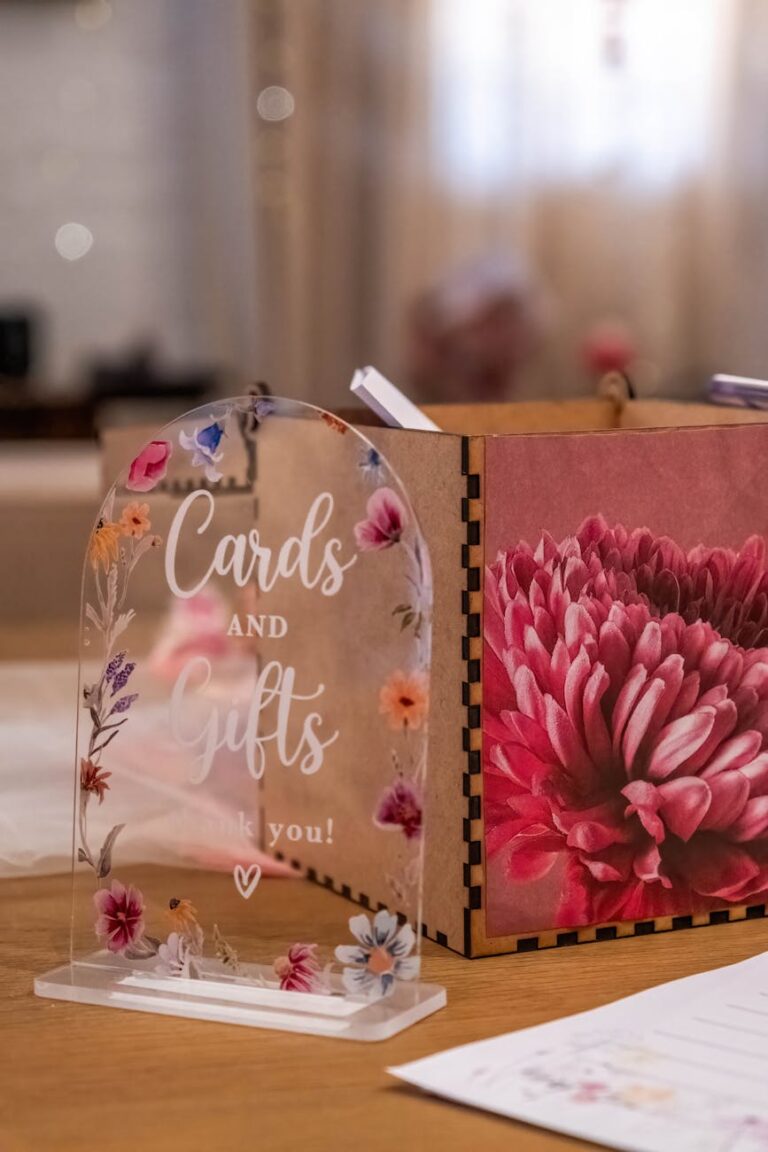
- Signage: Welcome Signs, Menu Boards: Clear and attractive signage guides guests and adds to the aesthetic.
- Welcome Signs: Create a custom welcome sign on a chalk board, wooden pallet, or a framed print. Hand-lettering adds a charming, rustic touch.
- Menu Boards: Instead of individual menus, design a large menu board on an easel, incorporating your theme’s fonts and colors. This can also apply to drink menus or seating charts.
- Directional Signs: For larger venues, stylish directional signs can prevent confusion and maintain the aesthetic.
- Favors: Thoughtful, handmade favors leave a lasting impression.
- Edible Favors: Small jars of homemade jam, personalized cookies, or custom tea blends.
- Seed Packets: A sustainable and symbolic gift for growth.
- Small Potted Plants: Succulents or herbs that guests can take home.
- Personalized Items: Hand-stamped keychains or small craft items. Presentation is key; tie them with ribbon and a custom tag.
Professional Pathways in Event Decor
For many, the passion for creating beautiful spaces extends beyond personal projects and into a fulfilling career. The event decor industry is vibrant and dynamic, offering numerous opportunities for creative individuals to thrive. Building a successful career in this field requires a blend of artistic talent, business acumen, and continuous learning.
Exploring Event Decorator Jobs: A Career in Creativity
Event decorator jobs encompass a wide spectrum of roles, from entry-level assistants to lead designers managing large-scale productions. These roles are critical in translating a client’s vision into a stunning reality, ensuring every visual detail aligns with the event’s purpose and theme.
- Roles and Responsibilities:
- Conceptualization & Design: Working with clients to understand their needs, develop concepts, create mood boards, and propose design solutions. This often involves sketching, 3D renderings, and detailed presentations.
- Vendor Management: Sourcing and coordinating with florists, rental companies, lighting technicians, fabric suppliers, and other vendors to procure decor elements.
- Budgeting & Cost Control: Managing the decor budget, negotiating prices, and ensuring profitability for the project.
- Logistics & Installation: Planning the timeline for setup, managing the decor team, overseeing the installation, and ensuring all elements are perfectly placed and secure.
- Teardown: Efficiently dismantling and packing up all decor items after the event.
- Client Communication: Maintaining clear and consistent communication with clients throughout the design and execution process.
- Skills Required:
- Design Acumen: A strong understanding of color theory, composition, balance, scale, and spatial awareness. The ability to visualize a space and how different elements will interact.
- Organization & Project Management: Juggling multiple tasks, timelines, vendors, and budgets. Meticulous planning is essential.
- Communication: Excellent verbal and written communication skills for client interactions, team leadership, and vendor negotiations.
- Problem-Solving: The ability to think on your feet and quickly resolve unexpected issues during setup or the event itself.
- Creativity & Innovation: Staying abreast of trends, but also having the ability to generate fresh, unique ideas.
- Physical Stamina: Event setup and teardown can be physically demanding, requiring lifting, standing for long periods, and working irregular hours.
Sharpening Your Skills: Event Decorating Classes and Courses
While natural talent is a great starting point, formal training through event decorating classes or courses can provide structured knowledge, practical skills, and a professional edge. These programs are designed to teach industry best practices, design principles, and business fundamentals.
- Types of Courses:
- Online Courses: Offer flexibility and accessibility, often self-paced, covering everything from basic design principles to specific decor techniques. Great for those balancing work or other commitments.
- In-Person Workshops: Provide hands-on experience, direct interaction with instructors, and networking opportunities. Often focus on specific skills like floral design, balloon artistry, or lighting.
- Certification Programs: More comprehensive, often leading to a recognized credential, covering a broad curriculum including design, logistics, business, and portfolio development.
- What to Look For in a Program:
- Curriculum: Does it cover the specific areas you want to learn (e.g., floral, lighting, draping, business aspects)?
- Instructor Experience: Look for programs taught by seasoned professionals with real-world experience.
- Hands-on Training: Practical application is crucial for decor.
- Portfolio Building: Does the program help you develop a portfolio of your work?
- Reputation & Reviews: Check testimonials and industry standing.
- Accreditation: For certification programs, ensure it’s from a reputable institution.
- Benefits of Formal Training:
- Structured Learning: A systematic approach to design principles and techniques.
- Skill Refinement: Learn professional methods and efficiency.
- Networking: Connect with peers and industry mentors.
- Credibility: A certification can enhance your professional standing and attract clients.
- Business Knowledge: Learn about pricing, contracts, marketing, and client management.
Advanced Learning: Event Decoration Courses for Specialization
For those ready to delve deeper or specialize, event decoration courses offer advanced knowledge in specific niches, allowing professionals to carve out a unique expertise in a competitive market.
- Specific Niches:
- Wedding Decor: Focus on romantic aesthetics, ceremony and reception design, bridal bouquets, and intricate floral installations.
- Corporate Event Decor: Learn to incorporate branding, create professional yet engaging environments, and handle large-scale corporate galas, conferences, and product launches.
- Themed Parties: Master the art of immersive environments for specific themes, from fantasy worlds to vintage eras.
- Lighting Design: Specialization in advanced lighting techniques, programming DMX controllers, and creating dynamic lighting effects.
- Sustainable Decor: Focus on eco-friendly materials, reusable elements, and ethical sourcing practices.
- Balloon Artistry: Advanced techniques for elaborate balloon sculptures, arches, and installations.
- Business Aspects: Marketing, Client Relations: Advanced courses often include crucial business modules.
- Marketing & Branding: How to build your brand, create a professional portfolio, leverage social media, and market your services effectively.
- Client Relations: Mastering consultation skills, contract negotiation, managing expectations, and building long-term client relationships.
- Pricing Strategies: How to accurately price your services for profitability while remaining competitive.
- Legal & Insurance: Understanding contracts, liabilities, and necessary insurance for an event decor business.
Global Perspectives: Insights from a Decoradora de Eventos
The world of event decor is incredibly diverse, with styles and traditions varying significantly across cultures. Gaining insights from a decoradora de eventos (event decorator in Spanish) from a different region can broaden one’s perspective and introduce new creative approaches.
- International Trends, Cultural Influences:
- Cultural Symbolism: Different cultures incorporate unique symbols, colors, and materials that hold deep meaning. For example, vibrant patterns in Indian weddings, minimalist aesthetics in Japanese events, or rich textures in Middle Eastern celebrations.
- Regional Specialties: Learning about local artisans, traditional crafts, and indigenous materials used in decor can provide a fresh perspective and unique sourcing opportunities.
- Global Event Styles: Observing how international decorators adapt to different climates, venues, and client expectations can inform your own practice. For instance, the lavish outdoor setups common in some tropical regions versus the elegant indoor affairs in colder climates.
- Networking with Global Professionals: Attending international industry conferences, joining global online forums, and following decoradora de eventos on social media can facilitate learning and networking. These connections can lead to collaborations, expanded knowledge, and an enriched understanding of the global decor landscape. Embracing cultural nuances allows a decorator to create more authentic and resonant experiences for a diverse clientele.
Industry Insights: Event Decor Direct Reviews and Perch Event Decor
For both aspiring and established professionals, knowing where to source reliable materials and draw inspiration from leading retailers is crucial. Companies like Event Decor Direct and Perch Event Decor are well-known within the industry for their products and services.
- Importance of Supplier Reliability: In the fast-paced world of event planning, a reliable supplier is invaluable. Timely delivery, consistent product quality, and excellent customer service are paramount to ensuring a smooth setup and successful event. Reviews offer a window into a company’s performance in these areas.
- Product Quality and Variety:
- Event Decor Direct Reviews: This company is a significant player, often reviewed for its wide range of products—from draping fabrics and lighting to centerpieces, backdrops, and event furniture. Professionals often share feedback on product durability, ease of assembly, and overall value for money. Checking these reviews helps gauge if their offerings align with specific project needs and quality expectations.
- Perch Event Decor: Known for its curated collections and unique rental items, Perch Event Decor often caters to a specific aesthetic, perhaps more high-end or boutique. Reviews for such companies might focus on the uniqueness of their pieces, their styling capabilities, and the flexibility of their rental services.
- Case Studies/Examples of Trusted Retailers: Examining these companies allows decorators to:
- Identify trends: See what products are popular and frequently used by other professionals.
- Evaluate cost-effectiveness: Compare prices and assess the return on investment for purchasing versus renting.
- Discover innovative solutions: Find specialized tools or unique decorative elements that can elevate their designs.
- Learn from peer experiences: Benefit from the collective wisdom shared in reviews regarding product performance, shipping logistics, and customer support.
By thoroughly researching suppliers and learning from industry leaders, decorators can make informed decisions that contribute to the success and distinctiveness of their events.
Festive Transformations: Celebrating with Holiday Decor
Holidays are moments of joy, reflection, and gathering, and holiday decor plays an indispensable role in amplifying these emotions. It transforms homes, workplaces, and public spaces into havens of festive cheer, creating cherished memories and reinforcing cultural traditions. From vibrant cultural celebrations to the universal spirit of giving, decoration marks these special times with beauty and meaning.
Finding Deals: Holiday Decor on Sale and Smart Shopping
Decorating for holidays can become an annual expense, but smart shopping strategies can help you find holiday decor on sale and manage your budget effectively without compromising on style.
- Best Times to Buy (Post-Holiday Sales, Clearance):
- Post-Holiday Sales: The absolute best time to buy decor for the *next* year is immediately after the current holiday. Retailers deeply discount items to clear inventory, offering savings of 50-90%. Shop for Christmas items on December 26th, Valentine’s Day decor on February 15th, and so on.
- Clearance Aisles: Keep an eye on clearance sections year-round for seasonal items that might have been overlooked.
- End-of-Season Sales: As fall ends, you might find early sales on winter holiday items to encourage early shopping.
- Budgeting for Holiday Decor:
- Set a Limit: Decide on a realistic budget before you start shopping.
- Prioritize: Decide which decor elements are most important to you (e.g., a new tree, outdoor lights, or specific Kwanzaa items).
- DIY & Repurpose: Consider what you can make or reuse from previous years.
- Invest in Timeless Pieces: Spend more on classic, durable items that will last for years, and save on trendy, less durable pieces.
- Online vs. In-Store Deals:
- Online: Offers a wider selection, easy price comparison, and often exclusive online discounts. Watch for free shipping promotions.
- In-Store: Allows you to see the quality and scale of items firsthand. You might find “doorbuster” deals or unique local artisan items. Check local craft fairs for handmade holiday decor.
Honoring Traditions: Kwanzaa Holiday Decorations
Kwanzaa, observed from December 26th to January 1st, is a celebration of African-American culture and heritage. Its Kwanzaa holiday decorations are rich in symbolism and meaning, reflecting the holiday’s seven core principles (Nguzo Saba).
- Symbols and Their Meanings:
- Kinara: The candle holder, representing African ancestry. It holds seven candles (mishumaa saba).
- Mishumaa Saba: The seven candles – one black (unity), three red (struggle), and three green (future/hope).
- Mkeka: The mat, representing tradition and history. It forms the base for all other symbols.
- Vibunzi: Ears of corn, representing children and the future. One ear for each child in the family, or one if there are no children.
- Mazao: Crops, symbolizing the harvest and rewards of collective labor. Often represented by fruits and vegetables.
- Kikombe cha Umoja: The unity cup, used for libations to honor ancestors.
- Zawadi: Gifts, typically handmade and educational, given to children.
- Traditional Decor Elements:
- Color Scheme: The primary colors of Kwanzaa are black, red, and green. Incorporate these into linens, candles, and general decor.
- Natural Materials: Use natural elements like straw mats (mkeka), woven baskets, fresh fruits, and vegetables to represent mazao.
- African Art and Textiles: Displaying African prints, sculptures, and fabrics can enhance the cultural ambiance.
- Candles: The Kinara and its candles are central. Ensure they are prominently displayed.
- Creating a Festive Kwanzaa Atmosphere: The decor should foster a sense of community, reflection, and celebration of heritage. Arrange the symbols thoughtfully, create a central display area, and incorporate warm lighting to create an inviting and respectful environment. Music, storytelling, and sharing traditional foods further enrich the experience.
Welcoming Guests: Holiday Door Decorating Ideas
Your front door is the first impression guests have of your holiday spirit. Holiday door decorating is an opportunity to express your festive cheer and create a warm welcome.
- Wreaths: Traditional, Modern, DIY:
- Traditional Wreaths: Classic evergreen wreaths adorned with red bows, pinecones, and berries.
- Modern Wreaths: Geometric metal wreaths, minimalist designs with sparse greenery, or wreaths made from unexpected materials like yarn, fabric scraps, or even ornaments.
- DIY Wreaths: Craft your own using grapevine bases, mesh ribbon, burlap, or fresh foliage from your garden. Add personalized touches like monograms or unique ornaments.
- Garlands, Ribbons, Lights:
- Garlands: Drape garlands around the door frame, banisters, or over windows. Use fresh evergreen, faux pine, or decorative bead garlands.
- Ribbons: Large, weather-resistant bows in festive colors can be tied to wreaths, doorknobs, or even wrapped around the entire door for a “gift-wrapped” effect.
- Lights: Outline the door frame with string lights, or wrap them around garlands. Warm white lights provide a classic glow, while colored lights add a playful touch.
- Personalized Touches:
- Welcome Mats: A festive or personalized doormat adds to the inviting atmosphere.
- Door Hangers: Beyond wreaths, consider decorative door hangers with festive messages or unique designs.
- Potted Plants: Flank the door with potted poinsettias, small evergreen trees, or urns filled with seasonal greenery and branches.
- Ornaments: Hang weather-resistant oversized ornaments from the top of the door frame or incorporate them into your wreath.
Classic Charm: Christmas Holiday Door Decorating Ideas
Christmas offers a vast canvas for door decoration, from traditional elegance to whimsical wonder. Christmas holiday door decorating ideas often center around iconic symbols and a palette of red, green, gold, and silver.
- Themes: Rustic, Whimsical, Elegant:
- Rustic: Incorporate natural elements like burlap, pinecones, birch branches, and cranberries. A simple evergreen wreath with a plaid ribbon evokes cozy charm.
- Whimsical: Think oversized ornaments, bright colors, novelty characters (Santa, elves), or playful signs. A door decorated to look like a gingerbread house is a delightful option.
- Elegant: Focus on sophisticated color schemes (e.g., silver and gold, deep reds and greens). Use luxuriant ribbons, glass ornaments, and high-quality faux greenery. Consider a monochromatic white and silver theme for a chic winter look.
- Incorporating Natural Elements:
- Fresh Greenery: Cedar, spruce, and fir branches offer a beautiful scent and authentic look.
- Berries & Fruit: Holly berries, cranberries, and even faux pomegranates add pops of color.
- Pinecones: Can be bleached, glittered, or left natural.
- Dried Oranges & Cinnamon Sticks: Provide both visual appeal and a wonderful festive aroma.
- Lighting Strategies for Doors:
- Battery-Operated Lights: Ideal for wreaths and garlands without nearby outlets.
- Curtain Lights: Can be draped behind a sheer curtain or even across the door itself for a sparkling effect.
- Projector Lights: Create dynamic light displays like falling snow or festive patterns on the door or surrounding wall.
- Lanterns: Place decorative lanterns on either side of the door for a warm, inviting glow.
Sweet Creations: Decorating Holiday Cookies
Decorating holiday cookies is a beloved tradition, offering a delightful way to express creativity and share edible cheer. These sweet treats serve as delicious gifts, festive party favors, and beautiful additions to any holiday spread.
- Techniques: Royal Icing, Fondant, Sprinkles:
- Royal Icing: The most popular choice for intricate designs. It dries hard and smooth, allowing for piping fine details, flooding large areas, and creating dimensional effects.
- Fondant: Provides a smooth, uniform finish and can be cut into precise shapes. It’s excellent for creating 3D elements or covering cookies entirely for a polished look.
- Sprinkles & Edible Glitter: An easy way to add sparkle, texture, and color. Apply them while icing is wet or use edible glue for placement.
- Piping Gel: Can create a translucent, stained-glass effect.
- Thematic Designs: Snowmen, Trees, Stars:
- Christmas: Gingerbread men, snowflakes, Santa hats, reindeer, candy canes, ornaments, and stockings.
- Hanukkah: Dreidels, Stars of David, menorahs.
- Kwanzaa: Kinara, unity cup, fruits (mazao) in red, black, and green.
- General Winter: Snowflakes, polar bears, mittens, hot cocoa mugs.
- Edible Decor as Gifts or Party Favors:
- Packaging: Once decorated, package cookies in clear cellophane bags with festive ribbons, small decorative boxes, or tins.
- Personalization: Add a small tag with a holiday greeting or the recipient’s name.
- Cookie Decorating Kits: Assemble kits with plain cookies, small bags of icing, and sprinkles for a fun, interactive gift.
- Cookie Exchange: A popular holiday activity where participants bring a batch of cookies to exchange with others, resulting in a variety of homemade treats.
Spreading Joy in Every Corner: Beyond Traditional Holiday Spaces
Holiday cheer isn’t confined to living rooms and front doors. Expanding holiday decorations into less conventional spaces, like offices, dining tables, and even entire outdoor scenes, amplifies the festive spirit, creating an immersive experience wherever people gather.
Festive Workspaces: Holiday Cubicle Decorations
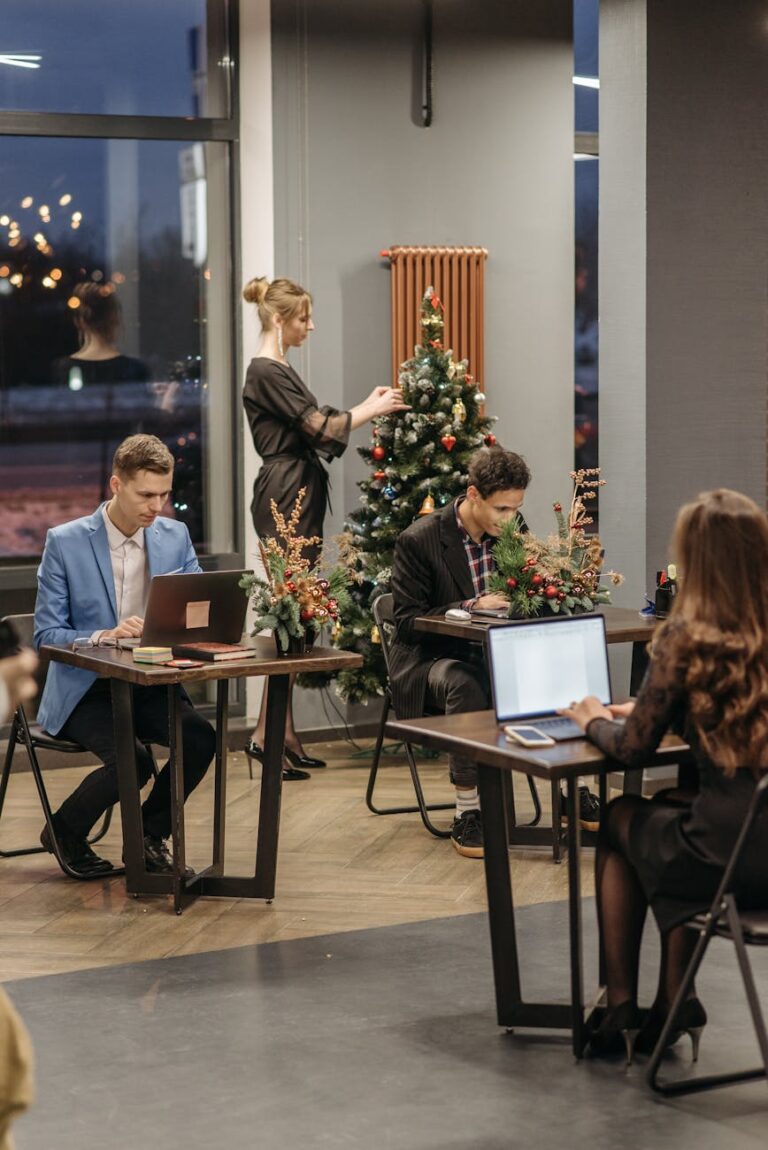
For many, the office becomes a second home during the holidays. Holiday cubicle decorations can significantly boost morale, foster camaraderie, and bring a much-needed dose of festive joy to the workplace.
- Office-Friendly Decor Ideas:
- Mini Trees: A small desktop evergreen or a miniature artificial tree.
- String Lights: Battery-operated fairy lights or LED strips can outline a cubicle or desk.
- Ornaments: Hang small, shatterproof ornaments from cubicle walls, monitor edges, or personal plants.
- Festive Mugs & Coasters: Practical items that also add cheer.
- Small Themed Figurines: Santa, reindeer, snowmen, or menorahs.
- Holiday Cards: Display cards from colleagues or clients.
- Maintaining Professionalism with Holiday Cheer:
- Keep it Tidy: Avoid clutter. A few well-placed items are more impactful than an overwhelming display.
- Consider Others: Be mindful of scents (avoid strong-smelling candles) and noise (avoid overly loud musical decorations).
- Respect Company Policy: Some workplaces have guidelines regarding decorations (e.g., no open flames, limits on size).
- Non-Offensive Themes: Choose universal holiday themes rather than religiously specific ones, unless appropriate for your specific team or company culture.
- Small-Scale Lighting and Ornaments:
- LED Tinsel: A string of tinsel with integrated LED lights adds sparkle without taking up much space.
- Small Garlands: Wrap a thin garland around your monitor or shelf.
- Window Clings: Easy to apply and remove, these can add color to cubicle windows.
- Photo Holders: Use a festive holder to display a cherished holiday photo.
Gathering Hubs: Table Holiday Decorations
The dining table often serves as the heart of holiday gatherings, making table holiday decorations essential for setting a festive and inviting scene. Thoughtful table decor elevates the meal experience and encourages connection.
- Centerpieces: Candles, Florals, Themed Props:
- Candles: Pillar candles in varying heights, elegant tapers, or votives create a warm, intimate glow. Ensure they don’t obstruct views across the table.
- Florals: Seasonal flowers like amaryllis, paperwhites, or poinsettias. Alternatively, create arrangements with evergreen branches, holly, and berries.
- Themed Props: For Christmas, miniature reindeer, snow globes, or wrapped gift boxes. For Kwanzaa, a small Kinara display. For New Year’s, sparkling elements like glittered stars or small clocks.
- Tablecloths, Runners, Placemats:
- Tablecloths: A festive tablecloth in red, green, gold, silver, or a winter-themed pattern provides a foundational layer.
- Runners: A table runner adds a contrasting color or texture and helps define the center of the table for your centerpiece.
- Placemats: Individual placemats in a complementary color or texture frame each guest’s setting. Consider fabric, woven, or even custom-printed paper placemats.
- Dinnerware and Glassware:
- Festive Dinnerware: Use holiday-themed plates, or incorporate accent plates with holiday motifs over your regular dinnerware.
- Specialty Glassware: Elevate drinks with crystal glassware or stemware with festive details.
- Charger Plates: A decorative charger plate beneath the dinner plate adds an extra layer of elegance.
- Personalized Place Settings:
- Place Cards: Hand-written or printed place cards can be adorned with small ornaments, sprigs of rosemary, or cinnamon sticks.
- Napkin Rings: Use festive napkin rings or simply tie napkins with ribbon and a small embellishment.
- Small Favors: A tiny personalized gift or a decorated cookie at each place setting serves as a lovely gesture.
Magical Ambience: Winter Wonderland Holiday Decor
Creating a winter wonderland holiday decor theme transforms any space into an enchanting, ethereal landscape, perfect for evoking the magic of the colder months, even if there’s no snow outside.
- Color Palettes: Whites, Silvers, Blues:
- Dominant Whites: Snow white, cream, ivory for a pristine, snowy base.
- Accents of Silver: Adds sparkle and an icy shimmer. Use silver ornaments, glitter, and metallic accents.
- Touches of Blue: Soft icy blues or deeper navy can represent winter skies and add depth.
- Subtle Greens: Very light sage green or eucalyptus can be used for a touch of natural coolness.
- Elements: Faux Snow, Icicles, Twinkling Lights:
- Faux Snow: Scatter artificial snow on surfaces, use snow blankets, or even a light dusting of glitter for a magical effect.
- Icicles: Hang artificial icicles from mantels, banisters, or tree branches.
- Twinkling Lights: Abundant use of cool-toned fairy lights, curtain lights, or twinkle lights is essential to create a shimmering, frosty effect.
- Snowflakes: Hang snowflake ornaments, cutouts, or project snowflake patterns.
- Frosted Elements: Use frosted branches, berries, or ornaments.
- Mirrors & Glass: Reflect light and create a sense of expansive, icy beauty.
- Creating an Enchanting Indoor or Outdoor Scene:
- Indoors: Use white and silver trees, adorned with blue and silver ornaments. Drape white sheer fabric to mimic snowdrifts. Incorporate plush faux fur throws and pillows for warmth against the cool palette. Scent diffusers with pine or peppermint can enhance the sensory experience.
- Outdoors: String cool white lights extensively on trees and bushes. Use inflatable snowmen or polar bears. Large, illuminated snowflakes or spheres can create focal points. Projectors can cast snow effects onto the house or garden. Consider using white outdoor fabric or netting to create a snowy drape over hedges.
Grand Scale Celebrations: Outdoor and Commercial Holiday Decorations
While personal decorating brings warmth to homes, holiday decorations on a grand scale – particularly outdoors and in commercial settings – serve a different, yet equally vital purpose. They inspire awe, draw crowds, and create a collective sense of wonder that unites communities and stimulates economies during the festive season.
Eye-Catching Displays: Blow Mold Holiday Decorations
Blow mold holiday decorations are iconic figures crafted from plastic, known for their vibrant colors and nostalgic charm. These large, often illuminated figures have a dedicated following and add a unique, whimsical touch to outdoor holiday displays.
- History and Appeal of Blow Molds:
- History: Blow molds gained immense popularity from the 1940s through the 1970s, making them a staple of mid-century holiday decorating. They were affordable and durable, allowing families to create elaborate outdoor displays.
- Nostalgic Appeal: For many, blow molds evoke cherished childhood memories and a sense of vintage holiday magic. They represent a simpler, more innocent time.
- Durability: Made from sturdy plastic, they withstand various weather conditions, making them ideal for outdoor use.
- Visibility: Their large size and internal illumination make them highly visible, even from a distance, particularly at night.
- Placement and Lighting:
- Strategic Placement: Group blow molds together to create vignettes (e.g., Santa with his sleigh, a choir of caroling figures). Place larger figures as focal points and smaller ones to fill spaces.
- Visibility: Position them where they are easily seen from the street or main pathways.
- Internal Lighting: Ensure the internal bulbs are working correctly for nighttime illumination. For older molds, consider upgrading to LED bulbs for energy efficiency and brighter, longer-lasting light.
- External Lighting: Augment internal lights with spotlights or floodlights to highlight details and make them pop during the day and night.
- Collecting and Maintaining:
- Collecting: Vintage blow molds are highly sought after by collectors. Check online marketplaces, estate sales, and antique shops.
- Cleaning: Clean regularly with mild soap and water to remove dirt and grime.
- Repairing: Small cracks can often be repaired with plastic-friendly adhesives. Replacement parts (bulbs, cords) are often available.
- Storage: Store in a cool, dry place, ideally wrapped to prevent scratching and fading. Original boxes are best for preserving value.
Impressing the Public: Commercial Outdoor Holiday Decorations
Commercial outdoor holiday decorations are designed to captivate a wider audience, transforming public spaces, retail storefronts, and corporate campuses into festive spectacles. These large-scale installations are an investment in community spirit and often serve a strategic business purpose.
- Large-Scale Installations: Public Spaces, Storefronts:
- Public Spaces: City centers, parks, and town squares often feature massive Christmas trees, elaborate light tunnels, festive banners, and illuminated sculptures that become annual attractions.
- Storefronts: Retailers use elaborate window displays, exterior lighting, and themed props to attract customers and create a festive shopping atmosphere.
- Corporate Campuses: Businesses decorate their grounds and buildings to foster employee morale and project a positive, community-minded image.
- Malls & Shopping Centers: Go all out with massive decor, including Santa’s grotto, elaborate train displays, and dynamic light shows.
- Safety and Durability Considerations:
- Weather Resistance: All materials must be designed to withstand rain, snow, wind, and freezing temperatures.
- Electrical Safety: Professional-grade outdoor lighting and electrical components are essential to prevent hazards. Proper grounding and weatherproofing are critical.
- Structural Integrity: Large structures like trees or archways must be securely anchored to prevent collapse, especially in high winds.
- Public Safety: Decor must not obstruct pathways, create tripping hazards, or have sharp edges accessible to the public. Clear signage for any interactive displays is also important.
- Permits & Regulations: Large-scale commercial installations often require specific permits and must comply with local building and safety codes.
- Professional Services for Commercial Decor:
- Many businesses and municipalities hire specialized commercial holiday decorating companies. These professionals offer:
- Design & Planning: Custom design services tailored to the specific space and brand.
- Installation: Expertise in safely installing large-scale lighting, structures, and decor.
- Maintenance: On-going maintenance to ensure lights are working and decor remains pristine.
- Teardown & Storage: Efficient removal and professional storage of decor until the next season.
- Many businesses and municipalities hire specialized commercial holiday decorating companies. These professionals offer:
- Impact on Community and Business:
- Community Engagement: Beautiful commercial decor fosters a festive atmosphere, encouraging people to gather, socialize, and participate in holiday events.
- Economic Boost: Attracts shoppers to retail areas, boosting sales for local businesses. It can also enhance tourism.
- Brand Image: For corporations, it projects a sense of generosity, community spirit, and attention to detail.
- Creating Memories: These grand displays become part of annual traditions, creating lasting memories for families and visitors.
FAQs about Event and Holiday Decor
Q1: How do I choose a theme for my event decoration?
A1: Start by considering the event’s purpose (e.g., birthday, wedding, corporate gala) and the personalities of the honorees or guests. Think about their favorite colors, hobbies, cultural backgrounds, or dream aesthetics. Browse visual platforms like Pinterest or Instagram for inspiration. A theme can be as simple as a color palette or as elaborate as a specific era or concept (e.g., “Roaring Twenties,” “Enchanted Forest”). The key is to choose something that resonates and can be consistently applied across all decor elements.
Q2: What are some budget-friendly DIY event decor ideas?
A2:
- Lighting: Use inexpensive string lights, fairy lights, or battery-operated LED candles.
- Backdrops: Create stunning backdrops with streamers, fabric remnants, balloons, or by painting a large cardboard sheet.
- Centerpieces: Incorporate natural elements like branches, seasonal fruits, or wildflowers. Use repurposed jars or bottles for vases.
- Signage: Design and print your own welcome signs, menus, or place cards on quality paper, or use chalkboards.
- Favors: Make homemade treats, small potted succulents, or personalized seed packets.
The trick is to leverage creativity, use readily available materials, and focus on high-impact areas.
Q3: Where can I find reputable event decorating courses?
A3: Look for courses offered by accredited institutions, specialized event planning schools, or online platforms with experienced instructors. Websites like Skillshare, Coursera, or MasterClass offer various design-focused courses. Locally, check community colleges, vocational schools, or event industry associations. Always read reviews, check the curriculum for practical skills, and ensure the instructors have real-world industry experience. Consider programs that offer certification for added credibility.
Q4: What’s the best way to store holiday decorations?
A4:
- Organize by Category: Store items together (e.g., tree ornaments, outdoor lights, specific holiday themes).
- Use Clear Bins: Clear plastic bins allow you to easily see contents without opening.
- Protect Fragile Items: Wrap delicate ornaments in tissue paper or bubble wrap. Use divided ornament storage boxes.
- Tangle-Free Lights: Wrap string lights around cardboard cutouts or specific light reels to prevent tangling.
- Dry & Climate-Controlled: Store everything in a cool, dry place to prevent mold, mildew, and damage from extreme temperatures. Garages and attics can be too hot or humid; a closet or climate-controlled storage unit is ideal.
Q5: How can I make my holiday door decor stand out?
A5:
- Layer Textures: Combine different materials like evergreen, burlap, satin ribbon, and pinecones.
- Add Lighting: Wrap string lights around your wreath or garland, or frame the door with lights.
- Think Beyond the Wreath: Incorporate garlands, decorative door hangers, or large bows. Flank the door with festive potted plants or lanterns.
- Personalize It: Add a monogram, unique ornaments, or a custom sign.
- Consider Scale: Ensure your decor is proportionate to your door size. For a grand entrance, go for oversized elements.
- Complement Your Home: Choose colors and styles that enhance your home’s exterior aesthetic.
Q6: Are there specific decorations for different holidays like Kwanzaa?
A6: Yes, many holidays have distinct traditional decorations. For Kwanzaa, central decorations include the Kinara (candle holder) with seven candles (mishumaa saba) in black, red, and green, placed on an Mkeka (mat). Other elements include Vibunzi (ears of corn), Mazao (crops/fruits), Kikombe cha Umoja (unity cup), and Zawadi (gifts). These elements are deeply symbolic of Kwanzaa’s principles and cultural heritage. It’s important to research and respect the specific symbols and traditions of any holiday you are decorating for.
Conclusion
The power of decoration event and holiday decor extends far beyond mere aesthetics; it’s about crafting an atmosphere, telling a story, and forging unforgettable memories. From the intimate charm of DIY event decor to the breathtaking scale of commercial outdoor holiday decorations, every detail contributes to the overall experience, transforming ordinary spaces into extraordinary stages for life’s most cherished moments.
We’ve explored the foundational principles of event decorating, delving into creative techniques that elevate any gathering. For those with a burgeoning passion, we’ve navigated the professional landscape of event decorator jobs, event decorating classes, and event decoration courses, understanding the skills, insights, and global perspectives that define success in this vibrant industry. Trustworthy sources and retailers like those mentioned in Event Decor Direct reviews and Perch Event Decor provide crucial resources for professionals and enthusiasts alike.
Furthermore, we’ve journeyed through the enchanting world of holiday decor, discovering how to find holiday decor on sale, honor traditions with Kwanzaa holiday decorations, and infuse every corner with festive cheer. From holiday door decorating to decorating holiday cookies, transforming workspaces with holiday cubicle decorations, perfecting table holiday decorations, and creating magical winter wonderland holiday decor, the possibilities are endless. And for those truly grand statements, the nostalgic allure of blow mold holiday decorations and the impressive scale of commercial outdoor holiday decorations remind us of the collective joy that well-executed decor can inspire.
Ultimately, whether you’re planning a momentous celebration or simply aiming to infuse your surroundings with seasonal magic, the world of decor offers boundless opportunities for creativity and expression. Embrace the inspiration, hone your skills, and let your imagination take flight. Go forth and create spaces that don’t just look beautiful, but truly feel magical, enriching every decoration event and every festive season with unparalleled charm and unforgettable style.