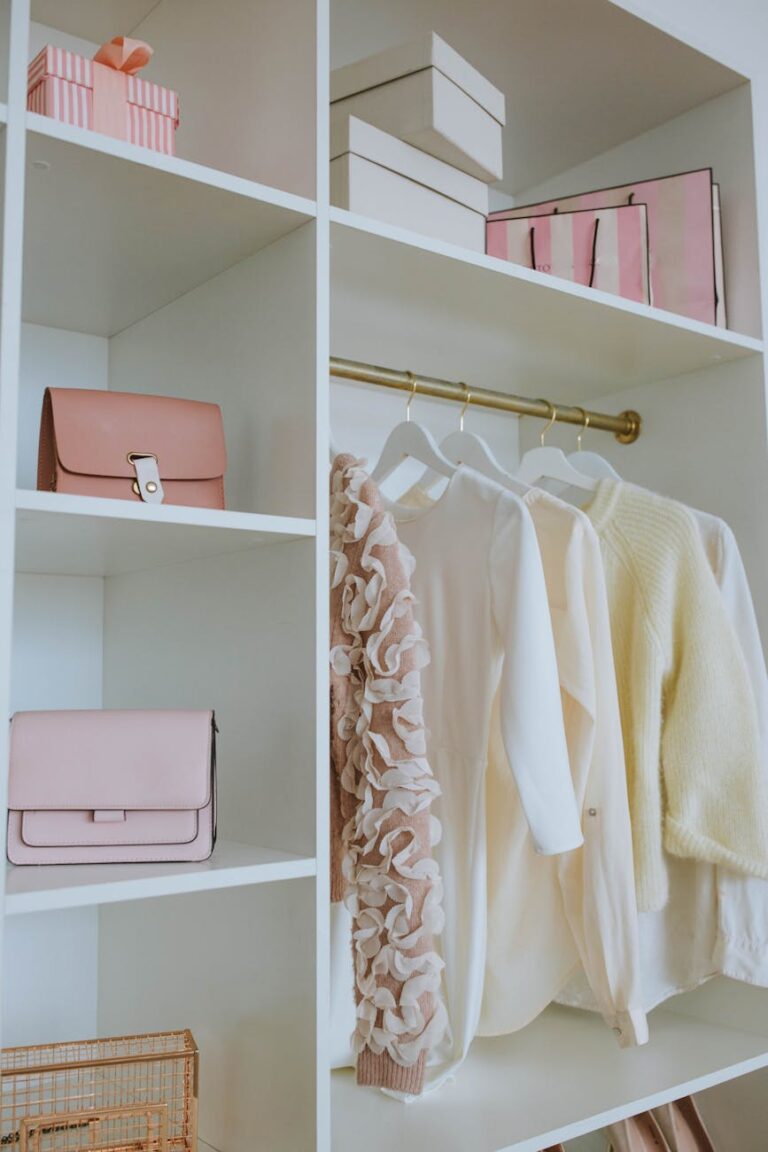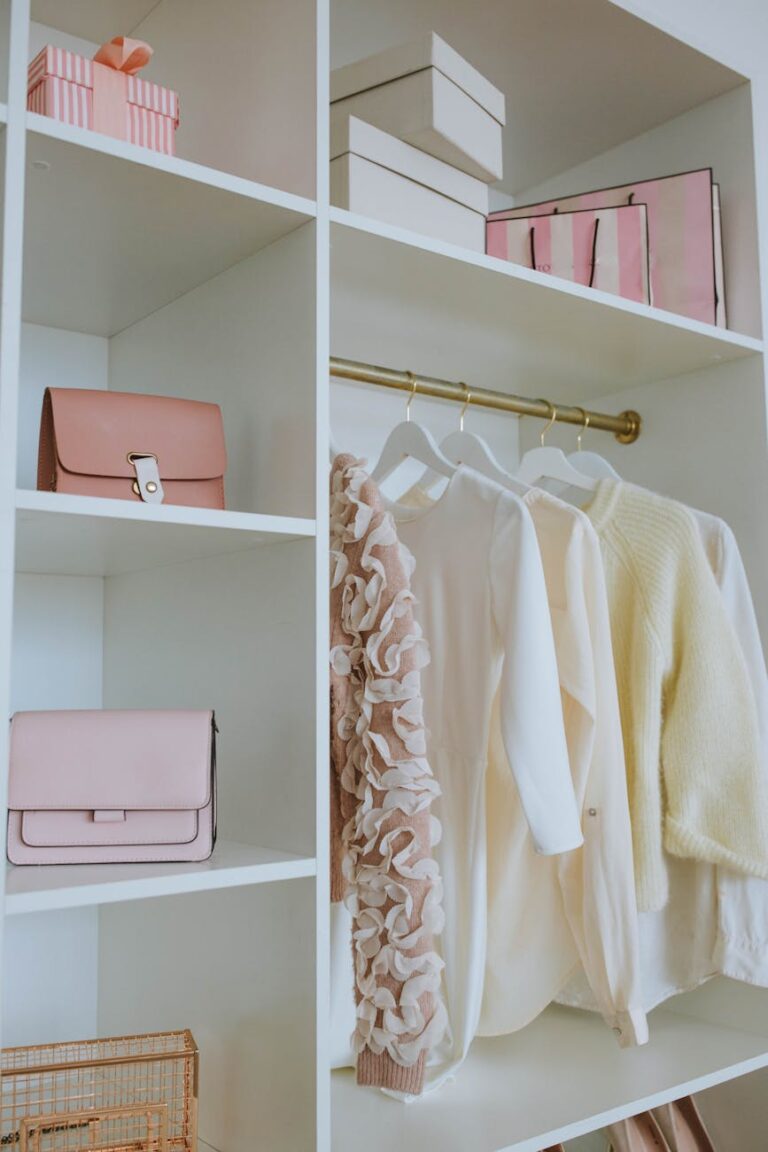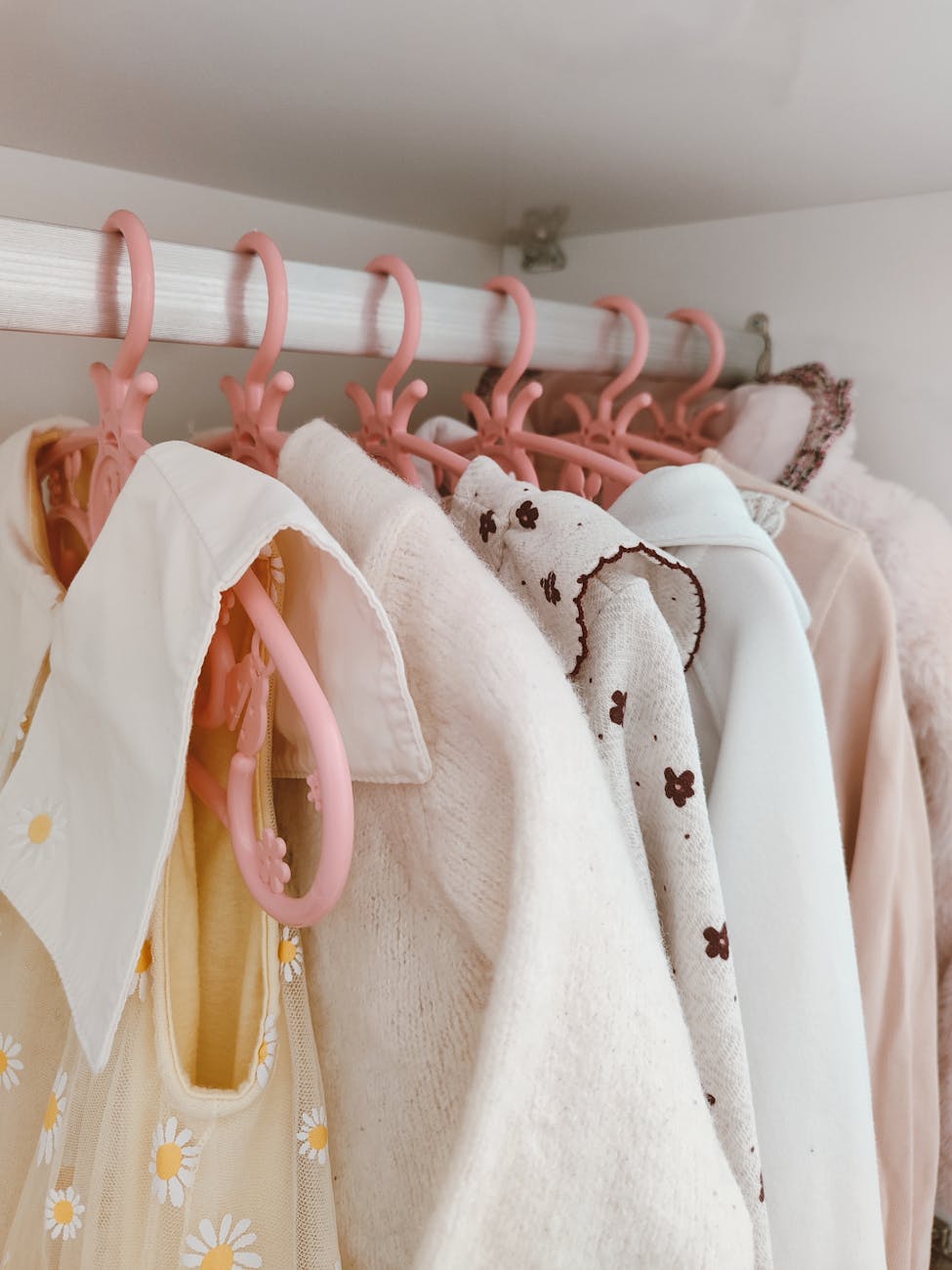
Closet Organizer Solutions Maximize Your Wardrobe Space
Unlock Your Dream Wardrobe: The Ultimate Guide to Closet Organizers and Space Maximization
Estimated reading time: 15 minutes
Key Takeaways
- Clutter in closets leads to wasted time, financial drain, and increased stress, while organized spaces enhance efficiency, prolong item life, and reduce stress.
- Essential closet organizers like drawers and wire racks offer distinct benefits: drawers provide concealed storage and dust protection, while wire racks offer visibility, airflow, and modularity.
- Walk-in closets allow for comprehensive design, incorporating shelves, rods, islands, and seating, with options for custom built-ins or flexible modular systems.
- Specialized solutions are crucial for items like purses (hanging, shelf dividers, dust bags), awkward corner spaces (rotating shelves, pull-out systems), and unique needs like baby clothes (adjustable rods, bins) and coat closets (sturdy rods, shoe storage).
- Achieving an organized closet doesn’t require a huge budget; options like Menards closet organizers, DIY hacks, and repurposing items provide cost-effective solutions.
- The transformation process involves ruthless decluttering, accurate measuring and planning, choosing appropriate organizers, careful installation, and consistent maintenance to ensure long-term success.
Table of Contents
- Introduction: Reclaim Your Space, Transform Your Life
- The Foundation: Understanding Your Closet Needs
- Essential Closet Organizers: Maximizing Every Inch
- Specialized Organization for Specific Items & Spaces
- Budget-Friendly & DIY Closet Organization Solutions
- Steps to Create Your Dream Closet Layout
- The Benefits of a Truly Organized Closet
- Frequently Asked Questions (FAQs)
- Conclusion: Embrace a Clutter-Free Lifestyle
Meta Description: Discover the ultimate guide to closet organizers with drawers, wire racks, and walk-in solutions. Learn how to transform any space, from baby closets to large wardrobes, with smart handbag, purse, and coat organization tips. Explore budget-friendly options like Menards closet organizers to create a clutter-free, beautiful home.
Introduction: Reclaim Your Space, Transform Your Life
Is your closet a source of daily frustration? Do you spend precious minutes digging for that one shirt, or constantly battle an avalanche of clothes and accessories? You’re not alone. In our busy lives, closets often become dumping grounds, overflowing with forgotten items and untapped potential. But imagine a space where everything has its place, where finding what you need is effortless, and where opening your closet door brings a sense of calm and order.
Discover the ultimate closet organization solutions designed to maximize every inch of space in your home. This comprehensive guide will walk you through transforming any closet, big or small, into an efficient, beautiful, and highly functional area.
The Problem of Clutter: More Than Just a Mess
Clutter isn’t just unsightly; it’s a thief of time, energy, and peace of mind. A disorganized closet can lead to:
- Wasted Time: Endless searching for items you know you own.
- Financial Drain: Buying duplicates because you can’t find what you already have.
- Increased Stress: Daily encounters with chaos.
- Damaged Items: Clothes wrinkled, shoes scuffed, and bags misshapen from improper storage.
- Underutilized Space: Valuable square footage going to waste.
The Power of Organized Spaces: Beyond Aesthetics
An organized closet is more than just a pretty picture; it’s a strategic investment in your daily life. It contributes to:
- Efficiency: Streamlined routines and quicker decision-making.
- Longevity of Belongings: Proper storage protects your clothing and accessories.
- Reduced Stress: A calm environment fosters a calm mind.
- Enhanced Aesthetics: A beautiful space inspires joy and pride.
- Maximized Space: Every inch works harder for you, making your home feel larger and more functional.
What This Guide Will Cover: Your Blueprint for Order
This guide is your all-in-one resource for mastering closet organization. We’ll delve into:
- Understanding different closet types and their unique challenges.
- Exploring essential organization solutions like closet organizer with drawers and closet organizer wire racks.
- Designing dream layouts for a walk in closet organizer.
- Specialized strategies for items like a purse organizer for closet and handbag organization closet systems.
- Smart solutions for awkward spaces, including a corner closet organizer.
- Practical tips for family needs with a baby closet organizer and effective coat closet organization.
- Budget-friendly options, such as the Menards closet organizer.
- Step-by-step guidance to create your ideal system.
Whether you’re upgrading a small closet or designing a full wardrobe system, this collection has everything you need for organized, beautiful storage. Let’s embark on this journey to a clutter-free, harmonious home!
The Foundation: Understanding Your Closet Needs
Before you buy a single organizer, it’s crucial to understand the unique characteristics of your space and your personal storage requirements. This foundational step ensures you choose the right solutions for lasting organization.
Assess Your Current Space: Size, Items & Habits
Start by taking stock of what you have and how you currently use your closet.
- Measurements are Key: Measure the width, height, and depth of your closet. Note any architectural features like slanted ceilings, windows, or oddly placed outlets.
- Inventory Your Items: What are you storing? Clothes (hanging, folded), shoes, accessories, linens, tools, toys? Be specific about quantities and types.
- Analyze Your Habits: Do you prefer hanging clothes or folding them? Do you wear a lot of accessories? Are you good at putting things away immediately, or do you need systems that make it effortless?
Define Your Goals: Aesthetics, Functionality, Budget
What do you want your organized closet to achieve?
- Aesthetics: Do you dream of a boutique-like display, or is pure function your priority? Consider materials (wood, laminate, wire, fabric) and color schemes.
- Functionality: Do you need more hanging space, shelf space, or drawers? Do you want to easily access everyday items or tuck away seasonal wear?
- Budget: Organization doesn’t have to break the bank. Determine what you’re willing to spend. Options range from custom built-ins to affordable modular systems and DIY solutions.
Different Types of Closets: Tailoring Solutions to the Space
Each type of closet presents unique opportunities and challenges:
- Reach-In Closets: Common in bedrooms, these are typically 2-3 feet deep with sliding or bifold doors. They require clever vertical and horizontal maximization.
- Walk-In Closets: Offering more depth and often multiple walls, these are perfect for intricate systems and dedicated zones.
- Linen Closets: Usually narrower and deeper, ideal for towels, bedding, and toiletries. A bathroom closet organizer with drawers can be a game-changer here.
- Coat Closets: Often near entryways, they need to handle outerwear, shoes, and sometimes guest items.
- Kids’ / Baby Closets: Require flexible, adjustable systems to adapt as children grow, and easy-to-reach storage.
By understanding these fundamentals, you set yourself up for success in creating a truly organized space.
Essential Closet Organizers: Maximizing Every Inch
Now, let’s dive into the core components of any effective closet organization system. These versatile tools are designed to maximize space and bring order to your belongings.
Closet Organizer with Drawers: The Ultimate Storage Solution
When it comes to concealing clutter and providing a neat, tidy appearance, a closet organizer with drawers is unparalleled. Drawers offer discreet storage, protecting items from dust and keeping your closet looking streamlined and elegant.
Benefits of Drawers: Concealed Storage and Specific Item Organization
- Visual Calm: By tucking items away, drawers create a clean, uncluttered look, reducing visual noise.
- Dust Protection: Delicate items, seasonal clothing, or linens stay cleaner longer.
- Category-Specific Storage: Ideal for separating items like undergarments, socks, accessories, or folded t-shirts.
- Maximize Lower Space: Perfect for utilizing the often-underused lower sections of a closet.
Types of Drawers: Built-In, Standalone, and Custom
- Built-in Drawers: Integrated directly into a custom closet system, offering a seamless, high-end look. They often feature soft-close mechanisms and sturdy construction.
- Standalone Drawer Units: Freestanding dressers or rolling carts with drawers that can be placed inside a closet, offering flexibility.
- Modular Drawer Systems: Components that can be added to existing shelving units, allowing for customization and expansion.
- Fabric/Plastic Drawers: Often used with cubby systems, these are lightweight and budget-friendly, great for children’s clothes or temporary solutions.
Best Uses: Undergarments, Accessories, Folded Clothes & Bathroom Essentials
- Clothing: Perfect for neatly folding and storing t-shirts, sweaters, activewear, and pajamas.
- Undergarments & Socks: Drawer dividers can create perfect compartments for these smaller items.
- Accessories: Scarves, belts, ties, and even small clutches can be neatly arranged.
- Jewelry: Lined drawers or specific jewelry inserts provide a safe home for precious pieces.
- The Bathroom Closet Organizer with Drawers: Essential for managing toiletries, extra soap, cotton balls, and other personal care items, keeping your bathroom vanity clear. They provide privacy for personal items and protect against humidity better than open shelving.
Durable Closet Organizer Wire Racks: Versatility and Visibility
For those who prioritize visibility, airflow, and a highly customizable system, closet organizer wire racks are an excellent choice. Their open design makes it easy to see and access items, and their modular nature allows for endless configurations.
Advantages of Wire Racks: Airflow, Visibility, Modularity
- Ventilation: The open design allows air to circulate, which is especially beneficial for shoe storage, gym clothes, or linens, preventing mustiness.
- Instant Visibility: You can quickly see all your items at a glance, reducing search time.
- Affordability: Generally more budget-friendly than wood or laminate systems.
- Modularity and Adjustability: Most wire systems are easy to install, adjust, and reconfigure as your needs change. Shelves can be moved up or down without tools.
- Durability: Steel wire construction is often coated for rust resistance, making them very robust and capable of holding significant weight.
Installation Types: Shelving, Baskets, and Shoe Racks
- Fixed Shelving: Attached directly to the wall, offering strong, permanent storage.
- Adjustable Shelving: Mounted on vertical standards, allowing you to easily change shelf height. This is highly recommended for versatility.
- Pull-Out Baskets: Wire baskets that slide in and out, ideal for smaller items, folded laundry, or even pantry items if used in a kitchen closet.
- Shoe Racks: Slanted wire shelves designed specifically for shoes, often stackable or expandable.
Ideal Applications: Linens, Shoes, Pantry Items & Utility Storage
- Linen Closets: The airflow prevents linens from smelling stale.
- Pantries: Excellent for food storage, allowing visibility of all items.
- Laundry Rooms: Perfect for detergents, cleaning supplies, and folded clothes.
- Garages/Utility Closets: Heavy-duty wire racks can hold tools, sporting equipment, and bulk items.
- Children’s Rooms: Easy for kids to see and retrieve their toys or clothes.
Walk-In Closet Organizer Systems: Designing Your Dream Wardrobe
A walk in closet organizer transforms an entire room into a functional, luxurious wardrobe. With ample space, you have the opportunity to create a truly personalized and efficient system that caters to every aspect of your collection.
Components of a Walk-In System: Shelves, Rods, Islands, and Seating
- Adjustable Shelving: Crucial for adapting to different clothing sizes and future needs.
- Hanging Rods: Essential for dresses, suits, shirts, and pants. Double rods maximize vertical space for shorter items.
- Built-in Drawers & Cabinets: Provide concealed storage for delicates, accessories, and shoes.
- Islands: In larger walk-ins, an island can offer additional drawer storage, a countertop for folding, or a display area for jewelry.
- Seating: A bench or ottoman provides a comfortable spot for trying on shoes or dressing.
- Mirrors: Full-length mirrors are a must-have for checking outfits.
- Lighting: Proper lighting, including task lighting within sections, illuminates your wardrobe beautifully.
Customization Options: Built-In vs. Modular, Professional Design
- Custom Built-in Systems: Designed precisely for your space and needs, often using high-quality materials like wood or laminates. They offer a seamless, high-end look and maximize every unusual nook and cranny. While more expensive, they add significant value to your home.
- Modular Systems: Consist of pre-manufactured components (shelves, rods, drawers) that can be combined and arranged to fit your space. They offer excellent flexibility and are often a more budget-friendly alternative to custom builds.
- Professional Design Services: Many companies offer design consultations to help you plan the optimal layout for your walk-in closet, taking into account your inventory and lifestyle.
Maximizing Space in a Walk-In Closet Organizer: Vertical, Corners, and Zones
- Vertical Space: Utilize every inch from floor to ceiling. High shelves are perfect for off-season items or luggage.
- Corner Solutions: Specialized corner closet organizer units (e.g., L-shaped rods, rotating shelves) can make awkward corners highly functional.
- Zoning: Divide your closet into distinct areas:
- Long-Hang Zone: For dresses, coats.
- Double-Hang Zone: For shirts, skirts, folded pants.
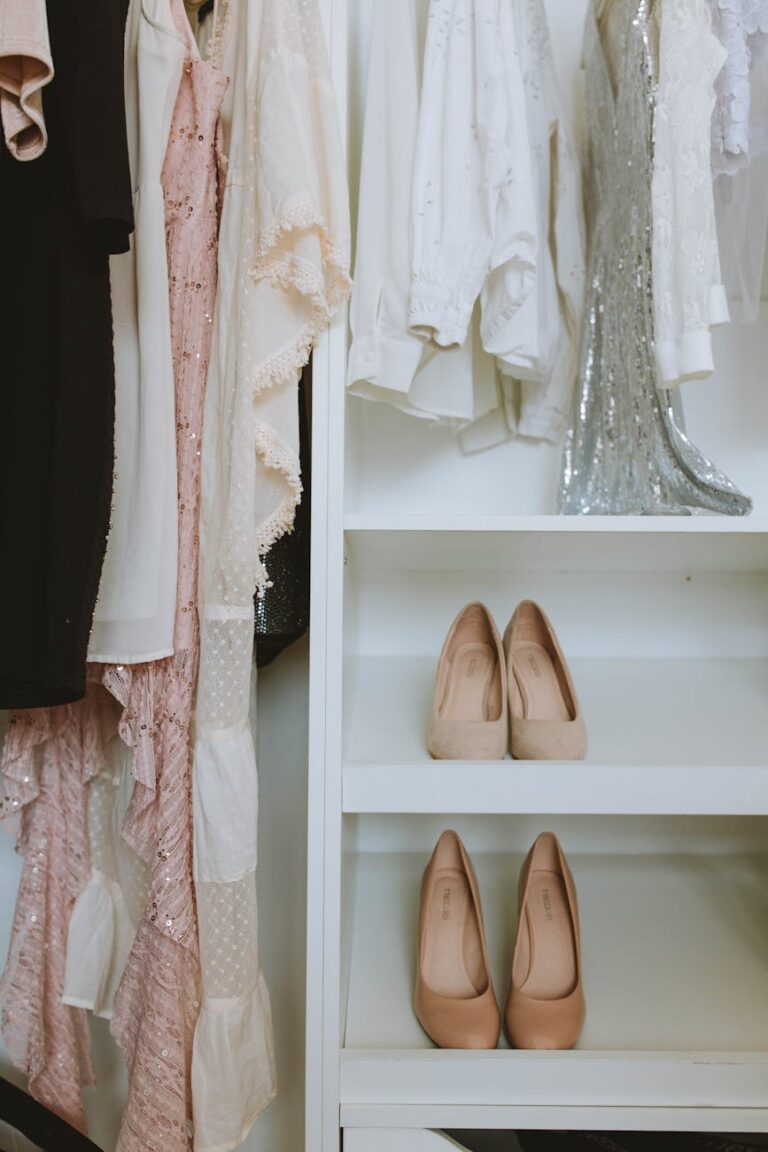
- Shelving Zone: For sweaters, jeans, shoes.
- Drawer Zone: For intimates, accessories.
- Accessory Zone: Dedicated space for handbags, jewelry, scarves.
Specialized Organization for Specific Items & Spaces
Beyond general solutions, certain items and unique spaces demand tailored organization strategies. This section dives into specific challenges and their ideal solutions.
Mastering Accessory Storage: Purses, Handbags & More
Handbags and purses are more than just accessories; they’re often investments. Proper storage is essential to maintain their shape, material, and longevity.
Purse Organizer for Closet: Keeping Your Collection Pristine
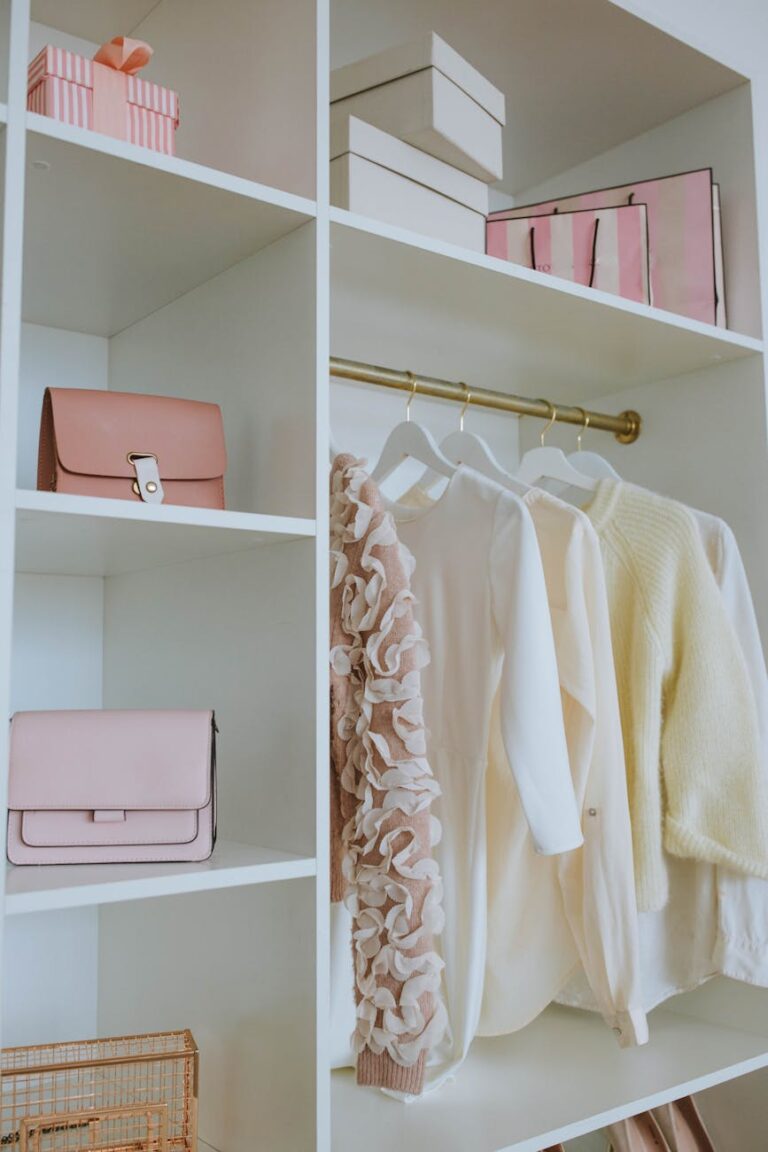
A dedicated purse organizer for closet helps protect your bags from dust, creasing, and damage while making them easy to see and grab.
Hanging Organizers:
- Over-the-door hooks/racks: Simple, space-saving for smaller, lighter bags.
- Chain hangers with S-hooks: Allows multiple bags to hang vertically, ideal for reach-in closets.
- Individual padded hangers: Best for delicate or structured bags to prevent creasing and maintain shape.
Shelf Dividers:
- These are excellent for keeping purses upright and separated on shelves, preventing them from toppling over or getting crushed. Clear acrylic dividers offer a clean look.
Acrylic Holders:
- Individual acrylic slots or boxes are perfect for displaying special bags or keeping them separated on shelves, offering both protection and visibility.
Handbag Organization Closet: Solutions for Every Style
Creating a cohesive handbag organization closet involves a mix of storage types to suit different bag styles and sizes.
Stacking and Display:
- Vertical Stacking (with care): For unstructured bags or clutches, using clear bins or individual compartments on shelves prevents them from losing shape.
- Display on Shelves: Structured bags can be displayed upright on shelves, perhaps stuffed with acid-free tissue paper or purse shapers to maintain their form.
- Bookcase Method: Treat your handbags like books on a shelf, separated by dividers.
Dust Bags and Protection:
- Always store your handbags in their original dust bags (or breathable cotton dust bags) to protect them from dust, light, and friction.
- Stuff bags with acid-free tissue paper or purse shapers to help them maintain their original silhouette and prevent creasing when not in use.
Organizers for Purses in the Closets: Beyond the Basics
- Dedicated Cubbies: A custom unit with individual cubbies for each bag provides the ultimate protection and display.
- Clear Bins: Stackable, clear bins are great for clutches or smaller bags, allowing you to see contents easily.
- Rolling Carts: If you have extra floor space, a narrow rolling cart with shelves can house your collection and be moved as needed.
Smart Corner Closet Organizer: Unlocking Hidden Potential
Corner spaces in closets are notoriously tricky but hold significant storage potential. A smart corner closet organizer can transform these awkward spots into highly functional areas.
Challenges of Corner Spaces:
- Accessibility: Deep corners can be hard to reach, leading to items being lost or forgotten.
- Visibility: Items get buried and out of sight.
- Wasted Space: Standard shelving often leaves large, unusable gaps in corners.
Innovative Corner Solutions: Rotating Shelves, Pull-Out Systems, Custom Units
- L-Shaped Hanging Rods: Allows for continuous hanging space around the corner, maximizing rod length.
- Corner Shelving Units: Specially designed shelves that fill the corner completely, providing more usable surface area than standard rectangular shelves.
- Rotating Shelves (Lazy Susans): Ideal for smaller items or accessories, allowing you to spin items into view.
- Pull-Out Systems: Corner shelving units that slide out, bringing items stored deep within the corner forward.
- Diagonal Shelves: For folded items, these can make use of the depth without creating a black hole.
Maximizing Awkward Angles with a Corner Closet Organizer:
- Seasonal Storage: Use deep corners for infrequently accessed items like seasonal clothing, extra bedding, or travel gear.
- Large Item Storage: Store bulkier items like suitcases, large blankets, or laundry hampers in the deepest part of a corner.
- Dedicated Shoe Corner: A tiered shoe rack in a corner can effectively organize numerous pairs.
Baby Closet Organizer: Simplifying Little Ones’ Essentials
A baby closet organizer needs to be functional, flexible, and safe. Babies and toddlers have a surprising amount of gear, and their needs change rapidly.
Key Elements of a Baby Closet: Adjustable Rods, Tiny Hangers, Bins
- Adjustable Rods: Crucial for small garments. Baby clothes are tiny, so hanging rods can be placed lower and then adjusted upwards as they grow. Double-hanging is almost always possible.
- Tiny Hangers: Invest in baby-sized hangers to keep clothes from stretching and falling off.
- Open Bins & Baskets: Ideal for quick clean-up of toys, blankets, and smaller clothing items like onesies or pajamas.
- Drawers: For diapers, wipes, socks, and other small essentials.
- Wall Hooks: For hanging hooded towels, special outfits, or small bags.
Organizing Diapers, Clothes & Toys:
- Diaper Station: Dedicate a shelf or drawer near the changing table for diapers, wipes, and creams for easy access.
- Outfit Grouping: Group baby clothes by size and type (e.g., all 3-6 month sleepers together). Consider “outfit grouping” where complete outfits are hung together.
- Toy Storage: Large, easily accessible bins on lower shelves or the floor for toys encourage independent clean-up as they get older.
Future-Proofing for Growth with a Baby Closet Organizer:
- Modular Systems: Choose systems that can be easily reconfigured. Adjustable shelves and rods are key.
- Long-Term Storage: Use upper shelves for storing “next size up” clothing or sentimental items.
- Convertible Furniture: Consider a dresser that can serve as a changing table now and a regular dresser later, moving it into the closet for additional drawer space.
Coat Closet Organization: Welcoming Guests with Tidiness
The coat closet is often the first impression guests have of your home’s organization. Effective coat closet organization goes beyond just coats; it manages the influx of outdoor gear, shoes, and sometimes household items.
Beyond Coats: Shoes, Bags & Seasonal Items
- Shoe Storage: A shoe rack on the floor or a hanging shoe organizer on the back of the door is essential.
- Accessories: Hooks or small bins for scarves, gloves, hats, and umbrellas.
- Guest Items: Ensure there’s enough clear space for guest coats and bags.
- Seasonal Storage: Depending on its size, the coat closet can also store off-season items like holiday decorations or camping gear on higher shelves.
Optimizing Rods, Shelves & Hooks:
- Single Sturdy Rod: Ensure your hanging rod can support the weight of multiple heavy winter coats.
- Upper Shelf: Perfect for hats, gloves, and less frequently used items. Bins can keep these contained.
- Back of Door Storage: An over-the-door organizer with pockets or hooks can hold small accessories, pet leashes, or cleaning supplies.
- Hooks: Install sturdy hooks on the back wall or side walls for quick hangs, kids’ backpacks, or umbrellas.
Practical Tips for Coat Closet Organization:
- Declutter Seasonally: At the start of each season, remove coats, shoes, and accessories that are no longer needed or worn.
- Uniform Hangers: Use slim, sturdy hangers for a neater look and to maximize rod space.
- Designated Zones: Create a “landing strip” for keys, mail, and other everyday items if the closet is near the entryway.
Bathroom Closet Organizer with Drawers: Spa-like Serenity
While often smaller, a bathroom closet or linen closet can benefit immensely from smart organization, particularly with the inclusion of drawers. A bathroom closet organizer with drawers helps maintain hygiene, reduce visual clutter, and maximize vertical space in often cramped environments.
Managing Linens and Toiletries:
- Linens: Fold towels and sheets neatly and store them on open shelves for easy access and airflow. Keep sets together.
- Toiletries: Use drawers for smaller, personal items like extra toothbrushes, travel-sized products, or feminine hygiene products. This keeps them out of sight and protected.
- First Aid: Designate a specific drawer or bin for first aid supplies.
- Cleaning Supplies: If storing cleaning supplies, use a separate bin or lower shelf, perhaps with a caddy for easy transport.
Moisture-Resistant Solutions:
- Materials: Opt for materials that can withstand humidity, such as treated wood, laminate, or metal wire racks. Avoid untreated particleboard in highly humid environments.
- Ventilation: If possible, ensure good airflow. Wire racks are excellent for this.
- Containers: Use plastic or clear acrylic containers within drawers or on shelves for items that could leak or spill, providing an extra layer of protection.
- Drawer Liners: Protect your drawers from spills and moisture with washable liners.
Budget-Friendly & DIY Closet Organization Solutions
You don’t need to spend a fortune to achieve an organized closet. Many effective solutions are affordable, and with a little creativity, you can even build your own.
The Menards Closet Organizer: Quality on a Budget
For homeowners looking for reliable, cost-effective closet solutions, the Menards closet organizer selection offers a fantastic range of products that blend functionality with value.
Exploring Menards Options: Shelving, Kits, and Accessories
- Wire Shelving Systems: Menards typically carries a variety of robust wire shelving kits, similar to what we discussed earlier. These are highly adjustable and excellent for utility, linen, or even bedroom closets.
- Laminate/Wood Closet Kits: They often offer pre-packaged closet kits that include shelving, rods, and sometimes drawers, made from laminate or particleboard. These provide a more finished look than wire and are still relatively easy to install.
- Individual Components: You can buy individual shelves, rods, brackets, and drawers to customize an existing closet or build your own system from scratch.
- Storage Accessories: Menards also stocks a wide array of baskets, bins, hangers, shoe racks, and drawer dividers that complement their main organizer systems.
Installation and Customization: DIY Potential
- DIY-Friendly: Most Menards closet organizer systems are designed for DIY installation. They come with clear instructions and the necessary hardware.
- Modularity: Their systems are often modular, meaning you can mix and match components to fit your specific closet dimensions and storage needs.
- Cost-Effective Upgrade: For those on a budget, Menards provides an excellent way to significantly upgrade closet functionality without the expense of custom built-ins.
Value Proposition of a Menards Closet Organizer:
- Affordability: Offers some of the most competitive pricing in the market for closet systems.
- Accessibility: Widely available in many regions, making it easy to purchase and pick up.
- Variety: A good range of options from basic wire to more decorative laminate.
- Practicality: Focuses on practical, durable solutions for everyday organization needs.
Creative DIY Hacks for Any Closet
Sometimes, the best solutions are the ones you create yourself!
- Crate or Basket Stacks: Wooden crates or sturdy baskets can be stacked to create instant cubbies for shoes, bags, or folded clothes.
- Tension Rods: Use tension rods to create extra hanging space (for scarves, ties, or even shoes in a narrow closet), or as temporary shelf dividers.
- PVC Pipe Dividers: Cut PVC pipes to size and use them in drawers for neatly organizing socks, underwear, or belts.
- Pegboard Wall: Install a pegboard on a blank wall inside your closet for hanging jewelry, scarves, belts, or small tools.
- Repurposed Magazine Files: Use magazine files for clutches, small purses, or even flip-flops.
Repurposing and Upcycling for Organization
Give new life to old items to create unique storage solutions:
- Old Dresser in Closet: Remove drawers and use the open frame as shelving, or keep the drawers for extra storage.
- Bookshelves: A narrow bookshelf can provide excellent vertical storage for folded clothes, shoes, or accessories.
- Wine Racks: Can be used to store rolled towels, T-shirts, or even clutches.
- Shoe Boxes: Cover old shoe boxes with decorative paper or fabric to create custom, stackable storage bins.
Steps to Create Your Dream Closet Layout
Transforming your closet from chaos to calm is a process. Follow these steps for a successful and lasting organizational makeover.
Step 1: Declutter Ruthlessly
This is the most critical step. You cannot organize clutter; you can only move it around.
- Empty Everything Out: Take every single item out of your closet. Yes, everything.
- Sort into Piles: Create distinct piles: “Keep,” “Donate/Sell,” “Trash,” “Relocate.”
- Be Honest: Ask yourself: “Have I worn this in the last year?” “Does it fit?” “Is it still in good condition?” “Do I love it?” “Does it serve a purpose?”
- One In, One Out Rule: Moving forward, try to adopt a one-in, one-out policy to prevent future clutter.
Step 2: Measure and Plan
With a clean slate, it’s time to strategize.
- Measure Accurately: Measure the closet dimensions (height, width, depth) and note any obstacles.
- Categorize & Count Remaining Items: Group your “Keep” items by type (long hanging, short hanging, folded, shoes, accessories). Count how many of each you have. This informs how much rod, shelf, or drawer space you’ll need.
- Sketch a Layout: Draw out potential configurations. Consider flow and accessibility. Think about the zones you need for different items (e.g., shoe zone, accessory zone, long-hang zone).
Step 3: Choose Your Organizer Types
Based on your planning, select the right combination of organizers.
- Determine Primary Needs: Do you need more hanging space, more shelves, or more drawers?
- Consider Materials: Wire for affordability and visibility, laminate for a cleaner look, custom wood for luxury.
- Integrate Specialized Solutions: Decide if you need a purse organizer for closet, a corner closet organizer, or a baby closet organizer for specific areas.
- Explore Options: Look into modular systems like a Menards closet organizer for budget-friendly solutions, or consider professional custom designs for a walk in closet organizer.
Step 4: Installation and Arrangement
It’s time to bring your vision to life.
- Install Core System: Install your chosen shelving, rods, and drawer units.
- Return Items by Category: Place items back into the closet, starting with the largest categories (hanging clothes, folded items).
- Utilize Accessories: Add bins, baskets, drawer dividers, and specific organizers for purses, ties, and jewelry.
- Keep Most Used Items Accessible: Store frequently used items at eye level or within easy reach. Less-used or seasonal items can go on higher shelves or deeper corners.
Step 5: Maintain and Adapt
Organization isn’t a one-time event; it’s an ongoing practice.
- Daily Tidying: Take a few minutes each day to put things back in their place.
- Weekly Reset: Spend 15-30 minutes once a week to quickly tidy and reorganize any stray items.
- Seasonal Review: Twice a year (e.g., spring and fall), do a mini-declutter and switch out seasonal clothing.
- Adjust as Needed: Life changes, and so do your needs. Don’t be afraid to adjust your system if something isn’t working perfectly.
The Benefits of a Truly Organized Closet
Investing time and effort into organizing your closet yields a remarkable return, impacting not just your wardrobe but your entire lifestyle.
Saving Time and Reducing Stress: The Daily Impact
Imagine starting your day without the frantic search for a matching sock or the perfect top. An organized closet means:
- Effortless Wardrobe Selection: Every item is visible and accessible, making outfit choices quick and enjoyable.
- Smoother Mornings: Reduce decision fatigue and rush, contributing to a calmer start to your day.
- Mental Clarity: A tidy physical space often leads to a more organized mind, reducing background stress.
Protecting Your Investments: Clothes, Accessories & More
Your clothes, shoes, and handbags are often significant investments. Proper storage extends their lifespan:
- Prevent Damage: Clothes stay wrinkle-free on appropriate hangers. Shoes maintain their shape on racks. Handbags are protected from dust and creasing with specialized handbag organization closet systems.
- Reduce Wear and Tear: Items aren’t crammed, crushed, or pulled aggressively from piles.
- Maintain Value: Well-preserved items can be resold or donated in better condition.
Enhancing Your Home’s Aesthetics and Value: Beyond the Closet Door
An organized closet contributes to the overall beauty and perceived value of your home:
- Visual Appeal: A beautifully organized closet is a joy to behold and can even feel like a luxury boutique.
- Sense of Spaciousness: Maximizing closet space helps reduce clutter elsewhere in your room, making the entire space feel larger and more open.
- Increased Home Value: Custom or well-designed organization systems are a desirable feature for potential homebuyers, adding to your property’s appeal.
Fostering a Calmer Living Environment: A Ripple Effect
The positive impact of an organized closet often ripples through your entire home and daily routine:
- Reduced Overall Clutter: When everything has a designated home, items are less likely to end up on chairs, floors, or dressers.
- Improved Mindfulness: Living in an organized space encourages more intentional consumption and maintenance habits.
- A Sanctuary: Your home becomes a true sanctuary where you can relax and recharge, free from the nagging presence of disarray.
Frequently Asked Questions (FAQs)
What is the best way to organize a small closet?
For a small closet, focus on maximizing vertical space with adjustable shelving, double-hanging rods, and an over-the-door organizer for shoes or accessories. A closet organizer with drawers can conceal clutter. Decluttering is paramount; keep only what you truly need and love. A well-placed corner closet organizer can also utilize awkward spaces.
How do I choose between drawers and wire racks?
- Drawers are best for items you want to keep dust-free, out of sight, or neatly folded (like undergarments, sweaters, or a bathroom closet organizer with drawers). They offer a clean, furniture-like appearance.
- Wire racks offer excellent visibility and airflow, making them ideal for shoes, linens, or items you need to grab quickly. They are generally more affordable and highly adjustable, perfect for a utility closet or garage. Many systems combine both for optimal functionality.
Can I organize my closet on a tight budget?
Absolutely! Start with a thorough declutter – it costs nothing. Then, utilize affordable solutions like plastic bins, tension rods, over-the-door organizers, and modular systems like a Menards closet organizer. DIY hacks using repurposed items (crates, old bookshelves) can also make a big difference. Focus on functionality first, then aesthetics.
How often should I declutter my closet?
A major declutter should happen at least once a year, ideally seasonally (e.g., spring cleaning, fall tidy-up). However, daily maintenance and a quick weekly reset can prevent overwhelming build-up. For a baby closet organizer, you’ll likely need to declutter and reorganize every few months as your child grows out of clothes.
What are some tips for maintaining closet organization long-term?
- The “One In, One Out” Rule: When you buy a new item, get rid of an old one.
- Designated Homes: Ensure every item has a specific place.
- Daily Tidy-Up: Spend 5 minutes each day putting things back.
- Seasonal Swaps: Rotate clothes seasonally to keep your main wardrobe manageable.
- Regular Reviews: Periodically assess if your system is still working for you and make adjustments.
- Invest in Quality Organizers: Durable solutions like good quality closet organizer wire racks or sturdy purse organizer for closet will last longer and encourage better habits.
Conclusion: Embrace a Clutter-Free Lifestyle
Transforming your closet from a chaotic mess into a harmonious, functional space is one of the most rewarding home improvement projects you can undertake. It’s more than just tidying up; it’s about reclaiming your time, protecting your investments, and fostering a sense of peace and efficiency in your daily life.
We’ve explored the myriad ways to achieve this, from the sophisticated utility of a closet organizer with drawers to the versatile adaptability of closet organizer wire racks. We’ve delved into designing the ultimate walk in closet organizer, mastering specific challenges with a purse organizer for closet and a clever corner closet organizer, and simplifying family life with a baby closet organizer and effective coat closet organization. Even budget-friendly solutions like the Menards closet organizer prove that a dream closet is within reach for everyone.
Remember, an organized space is an ongoing journey, not a destination. By embracing these strategies and continually adapting your systems to your evolving needs, you’re not just organizing a closet – you’re building a more serene, productive, and beautiful home. Discover the ultimate closet organization solutions and take the first step towards a cleaner, clutter-free life today.