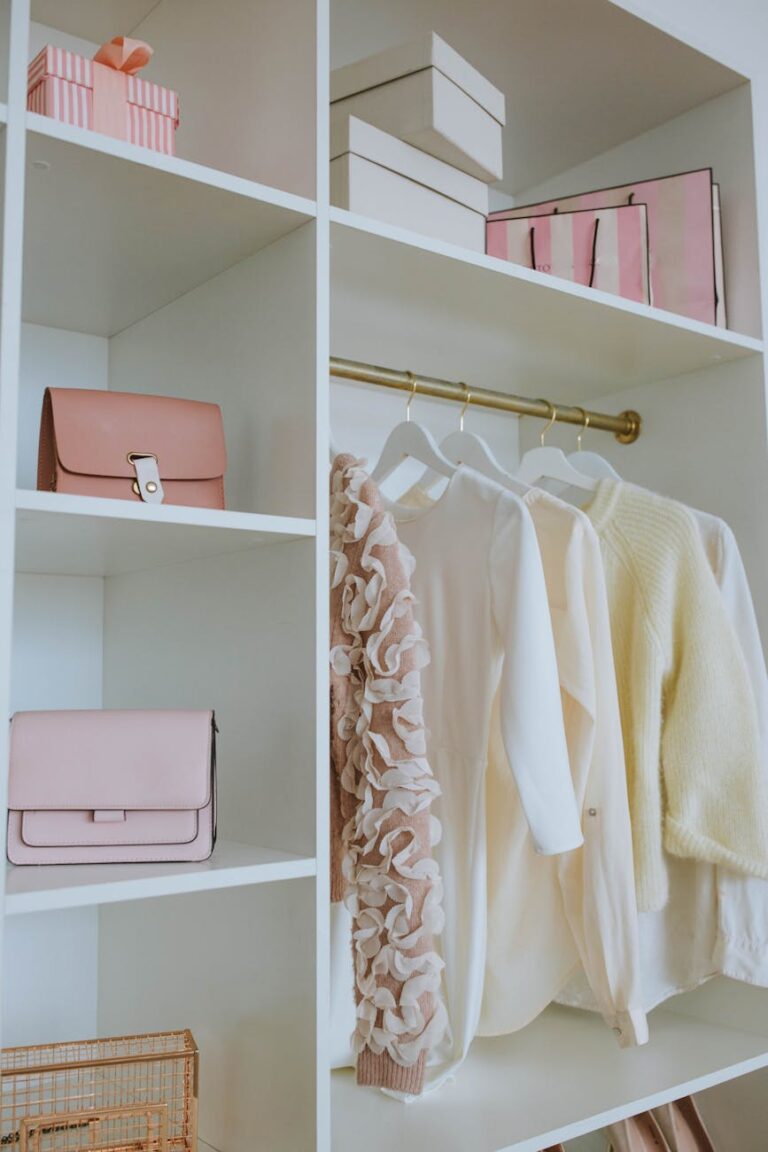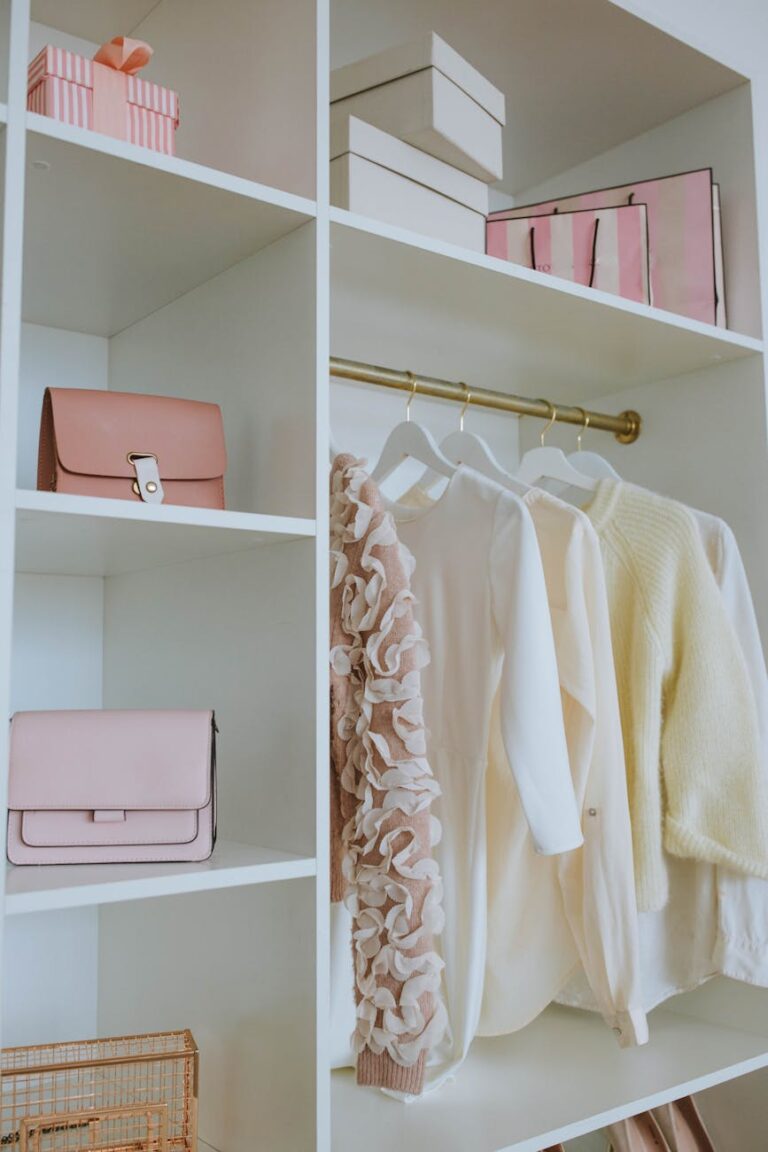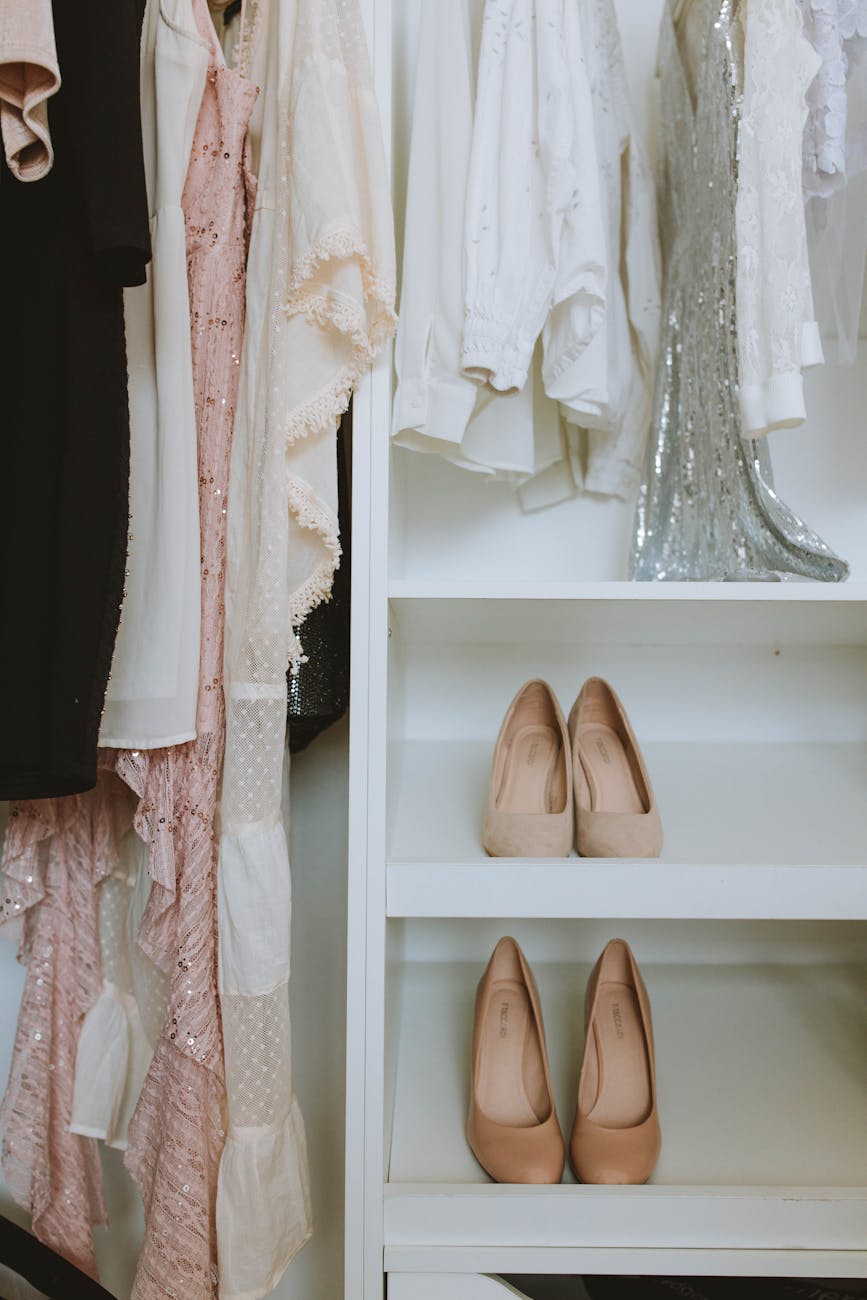
Closet Organizers Maximize Space Banish Clutter
The Ultimate Guide to Closet Organizers: Maximize Every Inch & Banish Clutter
Estimated reading time: 14-15 minutes
Key Takeaways
- Tailored Solutions: Effective closet organization involves choosing the right systems (drawers, wire racks, walk-in, corner, baby, coat, bathroom) for specific needs and spaces.
- Accessory Management: Dedicated organizers for purses and handbags are crucial for protecting investments and maintaining shape, with options for vertical and horizontal storage.
- Budget-Friendly Options: Quality organization is accessible through retailers like Menards, IKEA, Target, and Walmart, offering DIY-friendly and customizable solutions.
- Strategic Planning: A step-by-step approach involving assessment, accurate measurement, wise component selection, and planning for flexibility ensures a successful and lasting system.
- Ongoing Maintenance: Regular purging, the “one in, one out” rule, and seasonal swaps are vital for sustaining an organized and clutter-free closet over time.
Table of Contents
- The Ultimate Guide to Closet Organizers: Maximize Every Inch & Banish Clutter
- Why a Well-Organized Closet is Essential for a Clutter-Free Home
- Core Closet Organizers: The Foundation of a Tidy Space
- Specialized Solutions for Every Closet Type
- Mastering Accessory Organization: Purses, Handbags & More
- Budget-Friendly and Accessible Options
- Designing Your Perfect Closet System: A Step-by-Step Approach
- Maintenance Tips for a Lastingly Organized Closet
- FAQs About Closet Organizers
- What is the best type of closet organizer for small spaces?
- How do I measure my closet for a new organization system?
- Can I combine different types of organizers, like drawers and wire racks?
- How do I keep my handbags from getting damaged in the closet?
- Are budget-friendly closet organizers durable?
- Conclusion: Embrace a Clutter-Free, Organized Lifestyle
The Ultimate Guide to Closet Organizers: Maximize Every Inch & Banish Clutter
Imagine opening your closet doors to find everything perfectly in its place, easily accessible, and visually appealing. No more rummaging through piles, no more forgotten items, and no more stress. This isn’t just a dream; it’s a perfectly achievable reality with the right closet organizer solutions. From the smallest linen closet to the grandest walk-in, maximizing every inch of space is key to a truly clutter-free and serene home.
At its core, home organization is about creating systems that simplify your life and allow you and your family to thrive. This comprehensive guide will walk you through the vast world of closet organizers, revealing how various solutions—from the practical closet organizer with drawers to the robust closet organizer wire racks, and specialized systems like the walk in closet organizer and baby closet organizer—can transform your living spaces. We’ll delve into smart storage for accessories with a dedicated purse organizer for closet and handbag organization closet strategies, tackle challenging areas like the corner closet organizer, and even explore budget-friendly options such as the Menards closet organizer.
Whether you’re looking to upgrade a small, cramped closet or design a full, bespoke wardrobe system, this guide provides all the insights you need to make informed choices and create an organized, beautiful, and functional storage environment that serves your unique needs.
Why a Well-Organized Closet is Essential for a Clutter-Free Home
The closet, often overlooked, is a powerhouse of potential chaos or calm. A well-organized closet extends far beyond mere aesthetics; it impacts your daily routine, your mental well-being, and even your financial habits.
Beyond Aesthetics: The Practical Benefits
A tidy closet means you save precious time each morning. No more frantic searches for matching socks or that specific shirt. Everything has a designated home, making retrieval and return effortless. This efficiency translates into less stress and a smoother start to your day. Furthermore, proper storage extends the life of your garments and accessories. Clothing is less likely to wrinkle, stretch, or get damaged when stored correctly, and items like handbags maintain their shape and integrity.
Reclaiming Your Space and Sanity
Clutter is a significant source of stress. When your physical environment is chaotic, it can often reflect or contribute to mental clutter. By creating an organized closet, you reclaim not just physical space but also mental clarity. It provides a sense of control, reduces decision fatigue, and fosters a more peaceful home environment. Knowing exactly what you own and where it is allows you to make more mindful purchasing decisions, preventing impulse buys and unnecessary duplicates. This transformation isn’t just about tidiness; it’s about cultivating a more intentional and joyful lifestyle.
Core Closet Organizers: The Foundation of a Tidy Space
Every effective closet system starts with fundamental components that provide structure and versatility. Two of the most common and effective are organizers with drawers and wire rack systems.
Closet Organizer with Drawers: Versatility and Concealed Storage
The closet organizer with drawers is a cornerstone of effective storage, offering both concealed tidiness and remarkable versatility. Drawers are ideal for items that benefit from being out of sight, protecting them from dust and maintaining a streamlined appearance.
Benefits of Integrated Drawers
Drawers are perfect for intimates, socks, ties, delicate garments, activewear, or even small accessories that might otherwise get lost on shelves. They prevent items from spilling out, maintain a neat look, and can be easily customized with dividers to further segment contents. In a bathroom closet, a bathroom closet organizer with drawers is invaluable for storing toiletries, makeup, or medical supplies, keeping them neatly tucked away and protected from humidity.
Placement and Customization
Drawers can be integrated into a full closet system, stacked, or used as standalone units. Many modular systems allow you to add or remove drawers as your needs change. They come in various depths and widths, offering solutions for everything from shallow jewelry drawers to deep bins for bulky sweaters. Material options range from laminate and wood to fabric, allowing for aesthetic cohesion with your existing decor.
Closet Organizer Wire Racks: Durability and Visibility
For those seeking robust, highly visible, and often more budget-friendly solutions, closet organizer wire racks are an excellent choice. Their open design promotes airflow and allows for quick visual inventory.
Advantages of Wire Systems
Wire racks are renowned for their durability and strength, making them suitable for heavier items like books, tools (in a utility closet), or stacks of linens. The open-grid design ensures excellent ventilation, which is particularly beneficial in linen closets or for storing shoes. Installation is often straightforward, and many wire systems are adjustable, allowing you to reconfigure shelf heights as your storage needs evolve. They are also relatively easy to clean and resist dust buildup more effectively than solid shelves.
Best Uses for Wire Racks
Closet organizer wire racks excel in areas where visibility and breathability are priorities. Think laundry rooms for detergents and cleaning supplies, utility closets for tools and pet supplies, or even within a garment closet for folded jeans, sweaters, or shoe storage. Their industrial aesthetic can also lend a modern touch to a contemporary space, though they are often hidden behind closet doors.
Specialized Solutions for Every Closet Type
Every closet has its unique challenges and opportunities. Tailoring your organization system to the specific type of closet ensures maximum efficiency and aesthetic appeal.
Walk-In Closet Organizer: Designing Your Dream Wardrobe
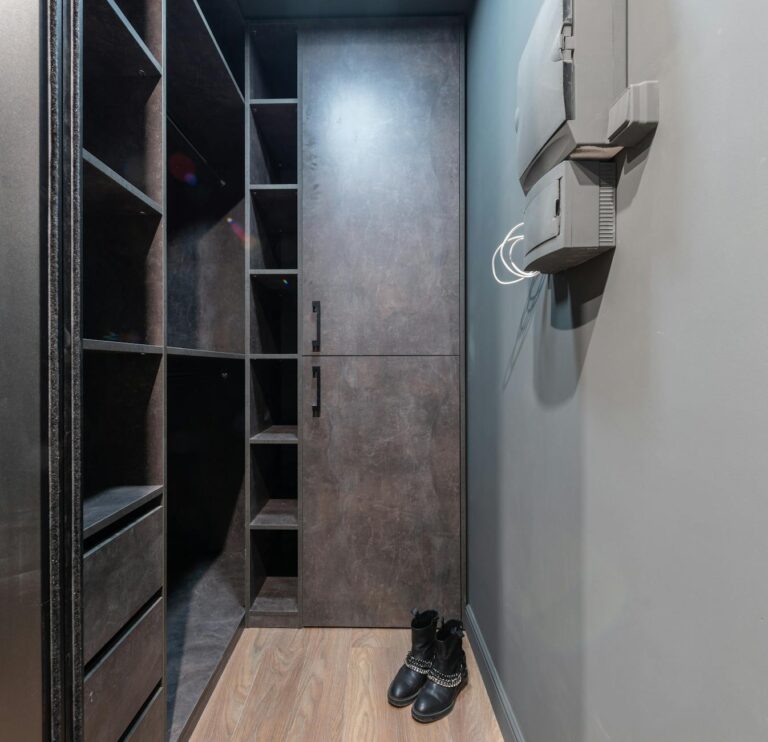
A walk in closet organizer system is the epitome of luxurious and functional storage. These larger spaces offer the potential for a truly custom wardrobe experience, allowing for a mix of hanging, shelving, and drawer components.
Maximizing Large Spaces
With a walk-in, the goal is to create zones for different categories of items: long-hanging, short-hanging, folded items, shoes, and accessories. Consider incorporating a central island with drawers for jewelry or seasonal items, and even a seating area for dressing. Vertical space is crucial; utilize high shelves for off-season storage or rarely used items.
Integrating Different Components
A well-designed walk in closet organizer integrates various elements seamlessly. This might include:
- Double-hanging rods: For shirts, blouses, and folded pants, maximizing vertical space.
- Single-hanging rods: For dresses, coats, and longer garments.
- Adjustable shelving: For folded sweaters, jeans, and storage bins.
- Built-in drawers: As discussed, for undergarments, socks, and delicate items.
- Shoe racks or cubbies: To keep footwear organized and protected.
- Accessory organizers: Hooks for belts, tie racks, and dedicated jewelry drawers.
- Integrated lighting: To illuminate contents and enhance the overall ambiance.
The key is to create a flow that matches your routine and wardrobe size, making every item visible and accessible.
Corner Closet Organizer: Utilizing Awkward Spaces
Corner closets, while offering generous depth, can often become black holes of clutter due to their challenging configuration. A smart corner closet organizer can turn these awkward spaces into highly functional storage zones.
Smart Solutions for Corner Nooks
The primary challenge of a corner closet is accessing items tucked deep within. Solutions often involve maximizing depth and creating easy retrieval systems.
- Corner shelves: These L-shaped or pie-shaped shelves make the most of the full corner depth.
- Rotating carousels (Lazy Susans): Excellent for small items like toiletries in a bathroom corner closet or canned goods in a pantry corner.
- Pull-out systems: Specifically designed corner pull-out units can bring items from the back of the closet to the front, making them easily accessible.
- Double hanging rods: Arranging rods in an L-shape can optimize hanging space for garments.
Types of Corner Organizers
Options range from custom-built shelving units to modular systems with specialized corner components. Look for units that offer adjustable shelves or pull-out baskets to adapt to various items. Strategic lighting can also help illuminate the deeper parts of a corner closet, reducing the the “black hole” effect.
Baby Closet Organizer: Simplifying Little Ones’ Essentials
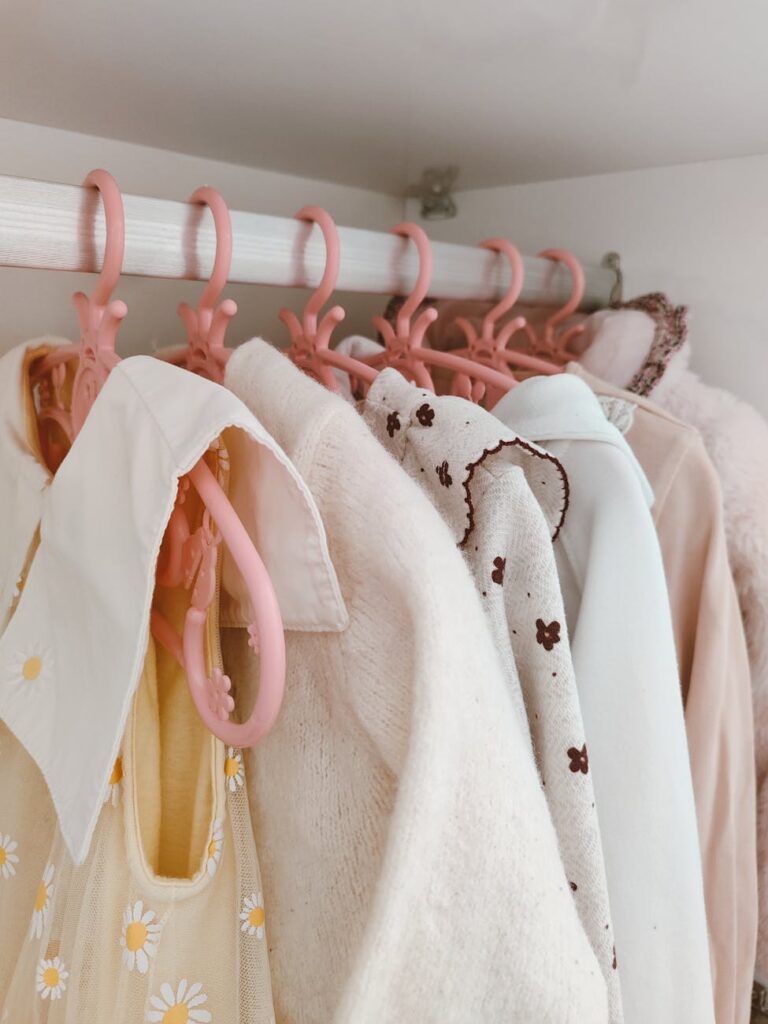
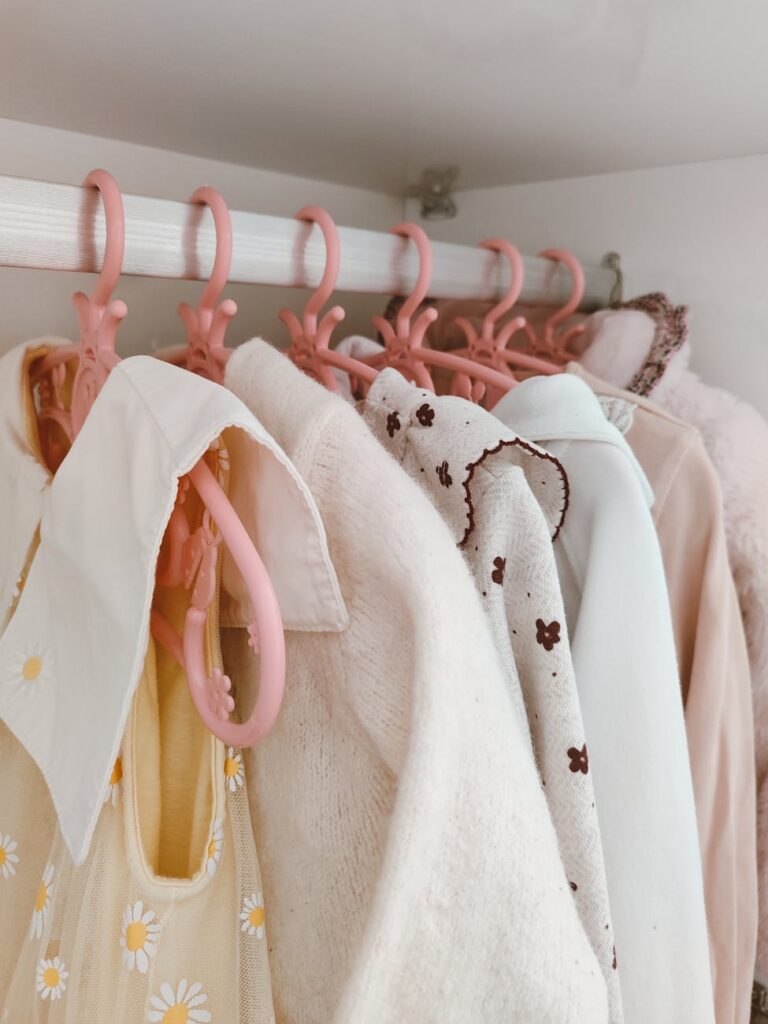
A baby closet organizer isn’t just about tidiness; it’s about creating a safe, efficient, and adaptable space for the ever-growing collection of tiny clothes, diapers, blankets, and toys.
Creating a Functional Nursery Wardrobe
Baby clothes are small, but they accumulate rapidly! A functional nursery closet should include:
- Double-hanging rods: Crucial for small garments like onesies, shirts, and dresses, as they are typically short.
- Adjustable shelves: For folded items, diapers, wipes, and larger items like blankets or swaddles.
- Baskets and bins: Excellent for containing smaller items like socks, hats, burp cloths, or even small toys. These can be labeled for easy identification.
- Drawer units: A closet organizer with drawers is perfect for storing medical supplies, creams, and other small essentials out of sight.
Tips for Growth and Adaptability
Babies grow fast, and their needs change even faster. Opt for an organizer system that is modular and adjustable. As your child grows, you can remove a lower hanging rod to create more space for longer clothes or add more shelves for books and toys. Consider using dresser drawers inside the closet for flexibility. Clear, stackable bins are also fantastic for organizing different sizes of clothing for future use.
Coat Closet Organization: Taming the Entryway Chaos
The coat closet often bears the brunt of entryway clutter—coats, shoes, bags, umbrellas, and seasonal gear. Effective coat closet organization transforms this often-overwhelmed space into a functional and welcoming entry point.
Essential Elements for a Tidy Coat Closet
The key is to define specific homes for different items.
- Sturdy hanging rod: For coats, jackets, and guest attire. Consider a double rod if you have shorter items like kids’ jackets.
- High shelf: For seasonal items like hats, gloves, scarves, or even luggage.
- Shoe rack or cubbies: Essential for preventing a pile of footwear on the floor. A shoe bench inside or just outside the closet can also be very helpful.
- Hooks: Inside the door for frequently used bags, umbrellas, or dog leashes.
- Bins or baskets: For small accessories like mittens, scarves, or cleaning supplies.
Beyond Coats: Shoes, Bags, and Accessories
Don’t limit the coat closet to just outerwear. It’s an ideal spot for:
- Mudroom functions: If located near an entry, incorporate a bench for shoe removal.
- Backpack storage: Hooks or designated cubbies for school bags.
- Sporting equipment: Small, often-used items like tennis rackets or jump ropes.
- Cleaning supplies: If you lack a dedicated utility closet, the coat closet can house a vacuum cleaner or broom.
Regular purging of out-of-season or unused items is vital to maintain order in this high-traffic area.
Bathroom Closet Organizer with Drawers: Storage for Linens & Toiletries
Often a smaller, more challenging space, a bathroom closet organizer with drawers is crucial for keeping linens, toiletries, and cleaning supplies neat and dry.
Humidity-Resistant Solutions
Bathrooms are inherently humid, so material choice is important. Wire racks, moisture-resistant laminates, or plastic bins are excellent choices. Fabric drawers or untreated wood might warp or grow mildew over time. Ensure good ventilation within the closet if possible.
Keeping Essentials Accessible
Drawers are ideal for smaller items like cotton balls, Q-tips, extra toothbrushes, first-aid supplies, or feminine hygiene products, keeping them out of sight and protected. Adjustable shelves can hold folded towels, washcloths, and bulkier items like toilet paper rolls. Clear containers or baskets are great for grouping similar items, making them easy to find and retrieve. Maximize door space with over-the-door organizers for hair tools or frequently used sprays.
Mastering Accessory Organization: Purses, Handbags & More
Accessories often present the biggest challenge in closet organization. Purses and handbags, in particular, require thoughtful storage to maintain their shape, prevent damage, and remain easily accessible.
Purse Organizer for Closet: Keeping Your Collection Pristine
A dedicated purse organizer for closet system is a game-changer for anyone with a handbag collection. Proper storage not only makes them easier to find but also protects your investment.
Types of Purse Organizers
There’s a wide array of solutions, each catering to different needs and closet configurations:
- Hanging organizers: These typically hang from a closet rod and feature multiple compartments or clear pockets. Ideal for smaller clutches, crossbody bags, or everyday purses.
- Shelf dividers: These metal or plastic dividers create individual cubbies on shelves, preventing bags from toppling over or getting crushed.
- Acrylic stands: Clear acrylic stands can display individual handbags, helping them maintain their shape and making them easy to grab.
- Drawer dividers: For smaller wallets or clutches stored within drawers.
- Over-the-door hooks/racks: A convenient option for frequently used bags, especially in smaller closets.
Vertical vs. Horizontal Storage
- Vertical storage (hanging organizers, hooks) is excellent for maximizing space, especially in narrower closets or on the back of doors. It keeps bags visible and prevents stacking.
- Horizontal storage (shelf dividers, cubbies) is ideal for larger, structured bags that benefit from sitting upright to maintain their form. It also works well for displaying a collection on open shelving.
Choose the method that best suits the type and size of your handbags.
Handbag Organization Closet: Protecting Your Investment
Beyond just organizing, an effective handbag organization closet strategy prioritizes the longevity and condition of your valuable handbags.
Dedicated Shelving and Dividers
For designer or structured handbags, dedicated shelving is paramount. Each bag should ideally have its own space or be separated by shelf dividers to prevent scuffing, crushing, or color transfer. Using bag shapers or stuffing bags with acid-free tissue paper or small pillows helps them maintain their original silhouette. Avoid hanging heavy bags by their handles for extended periods, as this can stretch or damage the straps.
Preventing Damage and Maintaining Shape
- Dust bags: Always store handbags in their original dust bags (if available) to protect them from dust and light, which can cause fading.
- Humidity control: Keep your closet in a climate-controlled area to prevent mildew or drying out of leather.
- Color transfer: Avoid storing light-colored bags next to dark-colored ones, especially if they are not in dust bags, to prevent color transfer.
- Stuffing: Use appropriate stuffing (tissue paper, air pillows) to help bags retain their shape when not in use.
Organizers for Purses in the Closets: Practical Tips and Tricks
Implementing effective organizers for purses in the closets involves more than just buying products; it’s about developing smart habits.
Seasonal Rotation and Accessibility
Just like clothing, purses can be rotated seasonally. Store off-season bags on higher shelves or in storage bins, keeping frequently used and in-season bags at eye level. Group bags by type (everyday, evening, totes, clutches) or color for easier selection. Place your most-used bags in the most accessible spots.
DIY vs. Store-Bought Solutions
You don’t always need expensive custom solutions.
- DIY: Repurpose magazine files for clutches, use S-hooks on rods for lighter bags, or create shelf dividers with sturdy cardboard covered in decorative paper.
- Store-bought: Invest in purpose-built hanging organizers, clear bins, or specialized shelf dividers that are designed for longevity and functionality. Many retailers offer excellent options for various budgets.
Budget-Friendly and Accessible Options
Achieving a beautifully organized closet doesn’t always require a hefty investment. Many retailers offer excellent, affordable solutions that are both functional and stylish.
Menards Closet Organizer: Quality on a Budget
For those seeking cost-effective and readily available closet organization solutions, the Menards closet organizer selection is a popular choice. Menards, known for its home improvement offerings, provides a range of modular systems, shelving units, and accessories that cater to various needs and budgets.
Exploring Menards’ Offerings
Menards typically carries wire shelving systems, laminate or particle board modular units, and a variety of accessories like drawers, baskets, and shoe racks. Their systems are often designed for easy DIY installation, making them an attractive option for homeowners looking to tackle closet makeovers themselves. You can often find adjustable components that allow for future flexibility, which is crucial for evolving storage needs. Look for their seasonal sales and promotions to get even better value.
DIY Installation and Customization
Many Menards closet organizer components are designed for straightforward installation with basic tools. This empowers homeowners to customize their closets without the added cost of professional installation. By mixing and matching different components—such as a hanging rod with a stack of wire shelves and a fabric drawer unit—you can create a personalized system that fits your specific items and space, all while staying within budget.
Other Affordable Alternatives
Beyond Menards, many other retailers offer excellent budget-friendly closet organization solutions:
- IKEA: Famous for its modular PAX wardrobe system and versatile KALLAX shelving, IKEA offers highly customizable and stylish options at competitive prices.
- Target: With brands like Room Essentials and Brightroom, Target provides a wide array of baskets, bins, hanging organizers, and small shelving units.
- Walmart: Similar to Target, Walmart offers various affordable storage solutions, including plastic drawers, fabric bins, and basic wire shelving.
- Amazon: An endless marketplace for individual components, from clear shoe boxes to hanging purse organizers, often with competitive pricing.
- Discount stores (e.g., TJ Maxx, Marshalls, HomeGoods): Great for finding decorative baskets, unique organizers, and stylish hangers at a fraction of the cost.
By combining elements from these retailers, you can craft a highly functional and aesthetically pleasing closet system without breaking the bank.
Designing Your Perfect Closet System: A Step-by-Step Approach
Creating your dream closet, whether it’s a small reach-in or a sprawling walk-in, requires a thoughtful process. Follow these steps to ensure your new system is tailored to your needs and maximizes your space effectively.
Assess Your Needs and Inventory
Before you buy a single organizer, take everything out of your closet. Purge ruthlessly! Donate, sell, or discard anything you haven’t used in a year (or two, for sentimental items), doesn’t fit, or is damaged. Then, categorize what’s left: long-hanging, short-hanging, folded items, shoes, accessories, etc. This inventory will dictate the types and quantities of organizers you’ll need. Don’t forget to consider seasonal items.
Measure Your Space Accurately
Precision is key. Measure the width, height, and depth of your closet space. Note any obstructions like slanted ceilings, windows, outlets, or door frames. If it’s a walk-in, sketch out the layout, including doors and windows. These measurements will guide your selection of modular units, shelves, and rods, ensuring everything fits perfectly.
Choose Your Components Wisely (Mix and Match)
Based on your inventory and measurements, select the right mix of components.
- Hanging rods: Determine how much long and short hanging space you need.
- Shelving: Adjustable shelves offer the most flexibility for folded items, bins, or decorative displays.
- Drawers: Integrate closet organizer with drawers for items you want out of sight.
- Specialty organizers: Add a purse organizer for closet, shoe racks, tie racks, or jewelry trays as needed.
- Wire vs. Solid: Decide between closet organizer wire racks for durability and visibility, or solid shelving for a more polished look and dust protection.
Plan for Future Growth and Flexibility
Life changes, and so do wardrobes. Opt for modular and adjustable systems where possible. This allows you to reconfigure components as your clothing collection evolves, or as family needs shift (e.g., transforming a baby closet organizer into a child’s wardrobe). Thinking long-term prevents the need for complete overhauls down the line.
The Importance of Installation (DIY vs. Professional)
- DIY: For budget-conscious individuals or those who enjoy home projects, many modular systems (like a Menards closet organizer) are designed for self-installation. Ensure you have the right tools, follow instructions carefully, and aren’t afraid to ask for help if needed.
- Professional: For complex walk in closet organizer systems or if you lack the time or expertise, professional installation ensures a perfectly fitted, secure, and aesthetically pleasing result. While more expensive, it can save significant time and potential headaches.
Maintenance Tips for a Lastingly Organized Closet
The journey to an organized closet doesn’t end with installation. Ongoing maintenance is essential to keep your space functional and clutter-free.
Regular Purging and Decluttering
Schedule regular decluttering sessions, perhaps quarterly or bi-annually. Use the “one year rule” or “does it spark joy?” method. Be honest with yourself about what you truly wear, need, and love. A consistent purge prevents accumulation and keeps your closet from becoming overwhelmed again. This also applies to items like a baby closet organizer where items are quickly outgrown.
The “One In, One Out” Rule
To prevent clutter creep, adopt the “one in, one out” rule. When you buy a new item of clothing, a new handbag, or a pair of shoes, commit to donating or discarding an old, similar item. This simple habit maintains a balanced inventory and prevents your carefully organized system from becoming overloaded.
Seasonal Swaps and Adjustments
Performing seasonal swaps (e.g., moving heavy winter coats and sweaters to storage during summer) frees up prime real estate for in-season items. This is particularly useful for coat closet organization and handbag organization closet systems. Store off-season items in protective bins on high shelves or under the bed, ensuring they are clean and dry before storage. This practice makes your daily routine much more efficient.
FAQs About Closet Organizers
What is the best type of closet organizer for small spaces?
For small spaces, vertical storage is paramount. Consider a closet organizer with drawers stacked vertically, slim closet organizer wire racks, over-the-door organizers, and double-hanging rods. Corner units (corner closet organizer) can also be highly effective for utilizing tricky angles. The goal is to get items off the floor and maximize every inch of wall space.
How do I measure my closet for a new organization system?
Start by measuring the width, height, and depth of your closet from wall to wall. Then, measure any immovable obstructions like windows, electrical outlets, or door frames. For walk-in closets, also measure the length of each wall. Sketch out a diagram of your closet, marking all dimensions and obstructions. This detailed information will be crucial when selecting and configuring your new system.
Can I combine different types of organizers, like drawers and wire racks?
Absolutely! Mixing and matching different components is often the most effective way to create a truly customized and functional closet. For example, you might use closet organizer wire racks for folded items that need ventilation, and a closet organizer with drawers for delicate items or accessories you want concealed. Many modular systems are designed to integrate seamlessly.
How do I keep my handbags from getting damaged in the closet?
To protect your handbags, store them upright with bag shapers or acid-free tissue paper to maintain their structure. Use dedicated purse organizer for closet solutions like shelf dividers, individual cubbies, or hanging organizers that prevent crushing or scuffing. Always use original dust bags if available, and avoid hanging heavy bags by their handles for extended periods. Ensure your handbag organization closet promotes airflow and keeps bags away from direct sunlight.
Are budget-friendly closet organizers durable?
Yes, many budget-friendly closet organizers, such as those found through the Menards closet organizer selection or at retailers like IKEA and Target, can be quite durable. Wire racks are inherently sturdy, and even particle board or laminate systems can last for years with proper installation and care. Look for options with good reviews, check material specifications, and ensure they are appropriately rated for the weight you intend to store. The key is to choose components that fit your specific needs and are installed correctly.
Conclusion: Embrace a Clutter-Free, Organized Lifestyle
Transforming your closets from chaotic zones to serene, functional spaces is one of the most impactful home improvements you can undertake. It’s not just about tidiness; it’s about creating an environment where everything has a home, making your daily routines smoother, reducing stress, and reclaiming precious time.
From versatile closet organizer with drawers and robust closet organizer wire racks that form the backbone of any system, to specialized solutions like the expansive walk in closet organizer and the efficient corner closet organizer, there’s a perfect fit for every space and need. We’ve explored how a dedicated purse organizer for closet and thoughtful handbag organization closet strategies can protect your accessories, how a baby closet organizer simplifies essentials for little ones, and how coat closet organization tames entryway chaos. Even budget-conscious options like the Menards closet organizer prove that an organized home is accessible to everyone.
Remember, the journey to an organized home is ongoing. With thoughtful planning, the right solutions, and consistent maintenance, you can discover the ultimate closet organization designed to maximize every inch of space. Embrace these strategies, and embark on a path to a beautifully organized, clean, and clutter-free home where you and your family can truly thrive.